

Dodge Avenger Transmission Output Speed Sensor Guide (2008-2014)
Experiencing harsh shifting or limp mode in your Dodge Avenger? A bad output speed sensor is a likely cause.
- A faulty output speed sensor is a primary cause of limp mode and erratic shifting in the 2008-2014 Avenger.
- The most common trouble code is P0721; always scan for codes before replacing parts.
- Check the sensor's wiring and connector for corrosion or damage before buying a new part, as this can be a simple fix.
- Quality aftermarket brands like NGK or Standard Ignition offer a reliable repair for less than the OEM part cost.
Is Your Avenger Stuck in Limp Mode?
If your 2008-2014 Dodge Avenger suddenly loses power, won't shift past second gear, and the Check Engine Light comes on, you're likely experiencing "limp mode." This is a common safety feature designed to protect the transmission from further damage when a serious fault is detected. One of the most frequent culprits behind this issue is a failing automatic transmission output shaft speed sensor. This sensor tells your car's computer how fast you're going, which is essential for proper shifting. When it fails, the computer gets confused and puts the transmission into a basic, safe gear to let you get off the road.
Common Symptoms of a Failing Output Speed Sensor
Besides the Check Engine Light, a bad output speed sensor can cause several noticeable driving problems. Look out for these signs:
- Harsh or Erratic Shifting: The transmission may slam into gear, shift at the wrong times, or hesitate between shifts.
- Stuck in Gear: The transmission may get stuck in a single gear, most commonly second gear (limp mode).
- Cruise Control Not Working: The cruise control system relies on the output speed sensor's data to maintain speed, so it will often stop working if the sensor fails.
- Check Engine Light: A faulty sensor will trigger a Diagnostic Trouble Code (DTC), most commonly P0721 (Output Speed Sensor Circuit Range/Performance) or related codes like P0730 (Incorrect Gear Ratio).
Check the Wiring First!
Before you replace the sensor, always inspect the wiring and connector. A loose connection, corrosion, or a damaged wire can cause the exact same symptoms as a failed sensor. Sometimes, simply cleaning the connector and ensuring it's securely plugged in can solve the problem.
Choosing the Right Aftermarket Sensor
You don't need to buy the most expensive OEM part to get a reliable fix. The aftermarket offers several quality options that meet or exceed original specifications. Here’s a breakdown of the brands available:
- Premium Aftermarket (NGK/NTK, Standard Ignition): These brands are well-regarded in the industry. They often market their parts as meeting or exceeding OE standards, using durable materials like high-strength thermoplastic and providing warranties. NGK, for example, offers a 3-year/36,000-mile warranty on their sensors. These are a solid choice for a long-lasting repair without the OEM price tag.
- Standard Aftermarket (ATP, Pioneer Cable, Skyward): These brands provide a functional and affordable replacement. They are a good fit for budget-conscious repairs. While they may not have the same brand recognition or warranty length as premium options, they are designed to fit and function correctly.
OEM Mopar vs. Aftermarket: For a simple electronic sensor like this, a quality aftermarket part from a brand like NGK or Standard Ignition is often just as reliable as the OEM Mopar part, but at a lower cost. The key is to buy from a reputable source. There is no significant evidence from owner forums to suggest that aftermarket sensors for this specific part are unreliable.
Known Issues, Recalls, and TSBs
While the 2008-2014 Dodge Avenger is known for general transmission issues, there are no specific recalls or Technical Service Bulletins (TSBs) from the NHTSA for the transmission output speed sensor itself. Recalls for this vehicle generation typically involve the Powertrain Control Module (PCM) or airbag components, not the speed sensors.
| Part/Service | Estimated Cost |
|---|---|
| New OEM (Mopar) Part | $50 - $75 |
| New Aftermarket Part | $14 - $41 |
| Shop Labor | $50 - $100 |
| Total Professional Replacement | $100 - $175 |
Pro Tip: Identify Your Transmission
The Dodge Avenger used two main automatic transmissions, and they may use different sensors. The 4-cylinder and 2.7L V6 models typically have a 4-speed (40TE/41TE) transmission. The 3.5L and 3.6L V6 models have a 6-speed (62TE). For the 6-speed, the input and output sensors are often identical and can be purchased as a pair. Always confirm which transmission your Avenger has before ordering parts.
Frequently Asked Questions (FAQ)
Where is the output speed sensor located on a Dodge Avenger?
For 4-speed (40TE/41TE) transmissions, the output sensor is on the left side of the transmission case. For 6-speed (62TE) models, it is located on the rear of the transmission, accessible after removing the driver's side front wheel. On some models, removing the air filter box provides easier access from the top.
Can I replace this sensor myself?
Yes, this is a DIY-friendly repair for most home mechanics. It typically involves disconnecting the electrical connector and removing a single bolt (usually 8mm or 10mm). The most difficult part is often just accessing the sensor. The job can usually be done in under an hour.
What is the difference between an input and output speed sensor?
The input sensor measures the speed of the transmission's input shaft (from the engine), while the output sensor measures the speed of the output shaft (to the wheels). The car's computer compares both signals to verify the transmission is in the correct gear and shifting properly. A failure in either can cause similar symptoms.
Will replacing the sensor definitely fix my limp mode problem?
If your car has a P0721 code, replacing the output speed sensor is the most likely fix. However, limp mode can also be caused by other issues like a faulty throttle body, bad wiring, or a failing Powertrain Control Module (PCM). Always diagnose the trouble codes first before buying parts.
Technical Specifications
OEM Part Numbers: 4800879 04800879 5078554AA
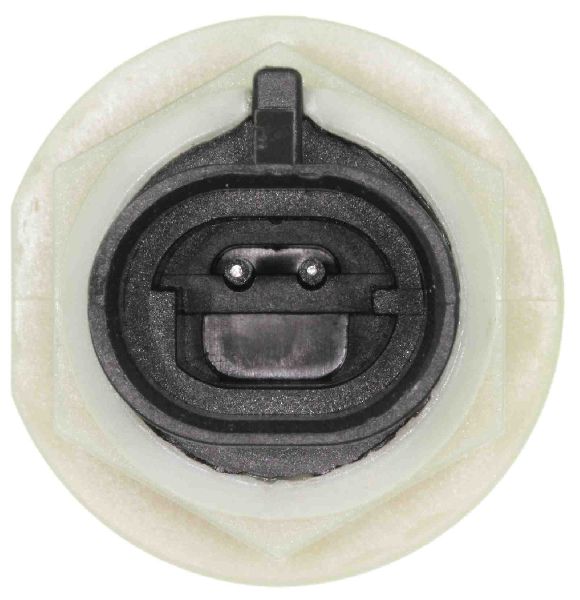
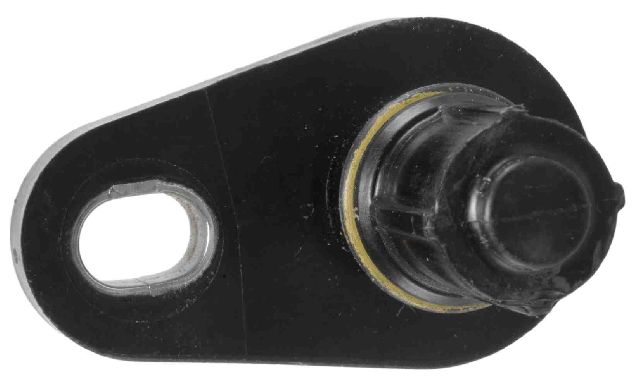
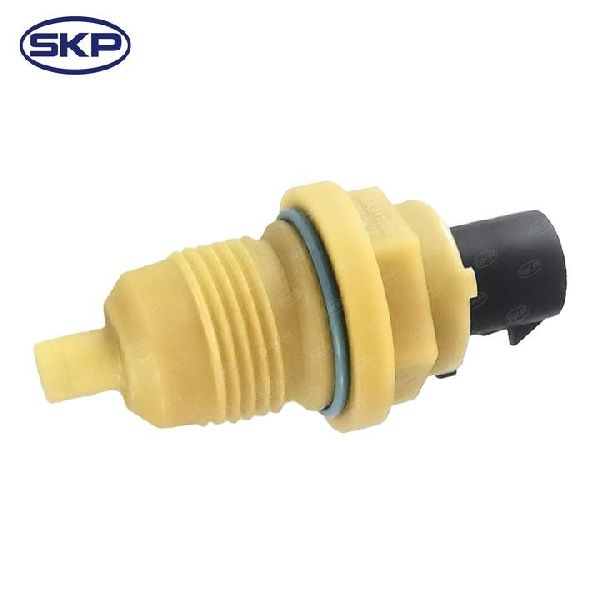
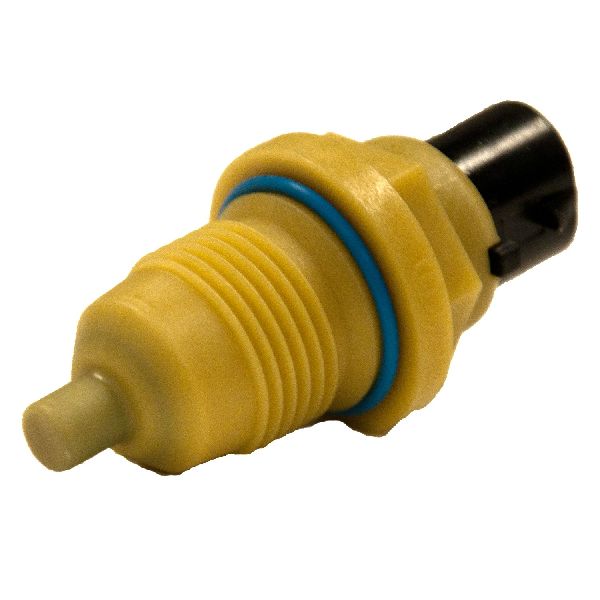
2-pin connector. Typically held in by a single 8mm or 10mm bolt. Location varies between 4-speed and 6-speed automatic transmissions.
We Have This Part in Stock


The information in this article is provided for general reference and educational purposes only. Vehicle specifications, procedures, and part compatibility can vary by production date, trim level, and region. Always consult your vehicle's factory service manual and verify part numbers before purchasing or performing repairs. Safety-critical components such as airbags, seat belts, and braking systems should be installed by a qualified professional.
- Dodge Avenger: