

Dodge Avenger Engine Oil Pressure Switch Replacement Guide (2008-2014)
A comprehensive guide to diagnosing and replacing the faulty engine oil pressure switch in your Dodge Avenger.
- A flickering oil light on a 2008-2014 Avenger is very often the oil pressure switch, not a sign of low oil.
- Check the electrical connector for oil contamination, as this is a tell-tale sign of internal sensor failure.
- On 3.6L V6 models, always inspect the oil filter housing for cracks when replacing the sensor.
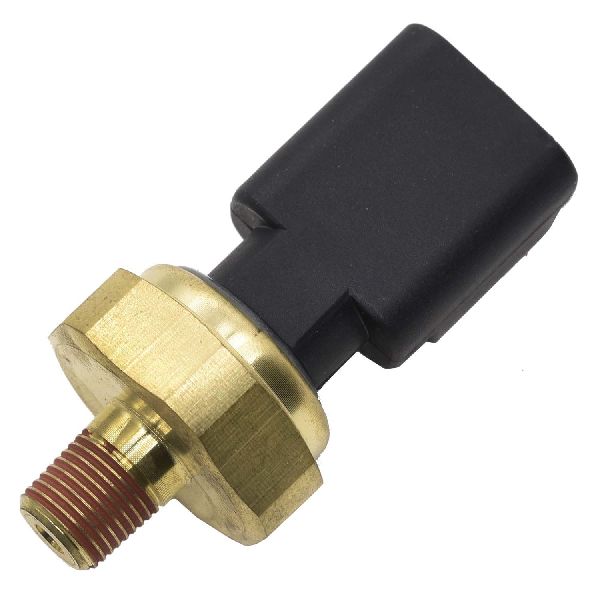
- A special oil pressure switch socket is recommended to prevent damage during installation.
Is Your Avenger's Oil Light Flickering?

A flickering oil pressure light at idle is one of the most common electrical problems on the 2008-2014 Dodge Avenger. While any oil light can signal a serious mechanical issue, on these specific vehicles, the cause is very often a failed engine oil pressure switch. This part is known to fail by leaking oil, not just onto the ground, but internally through the electrical connector, causing false signals. This guide will walk you through the symptoms, part choices, and what the replacement job involves for your Avenger.
Known Issue: Technical Service Bulletin (TSB)
Chrysler issued Technical Service Bulletin (TSB) 18-034-14 for the P0520 "Engine Oil Pressure Sensor Circuit" code on 2013-2014 Avengers with the 2.4L and 3.6L engines. The official repair is to replace the original sensor with a revised part. This TSB confirms that the original factory-installed sensors are a known failure point.
Symptoms of a Failing Oil Pressure Switch

- Flickering Oil Light: The red oil pressure light on the dash may flicker or stay on, especially when the engine is warm and at idle.
- Check Engine Light: A code, most commonly P0520 (Engine Oil Pressure Sensor/Switch Circuit), will be stored in the ECU.
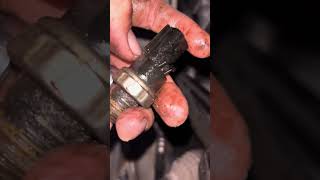
- Oil Leaks: A very common sign is oil leaking from the body of the sensor itself or, more deceptively, leaking through the sensor and into the electrical connector.
- Incorrect Gauge Readings: If your Avenger has a pressure gauge, it may read zero, fluctuate wildly, or show other incorrect values.
Choosing the Right Aftermarket Switch

Because the original Mopar sensor is a known failure point confirmed by a TSB, choosing a quality aftermarket replacement is a smart and cost-effective decision. You don't need to pay a premium for an OEM part that was flawed from the factory.
Here’s a breakdown of the brands available:
- Premium Aftermarket (e.g., Standard Ignition, Walker Products): These brands are well-regarded in the industry and engineer their parts to meet or exceed original equipment (OE) specifications. They are a reliable choice for durability and accurate performance.
- Standard Aftermarket (e.g., Holstein, Vemo, Crown Automotive): These brands offer a good balance of quality and value. For a part like this with a high failure rate on the original, a standard replacement is often a perfectly acceptable repair.
- Value Brands (e.g., Global Parts, True Tech): These are the most budget-friendly options. While they can get the job done, their long-term reliability may be less consistent than premium or standard brands.
Pro Tip: On 3.6L V6 engines, the oil pressure sensor is located in the oil filter housing assembly. These housings are known to crack and leak oil. Before replacing just the sensor, carefully inspect the entire housing for cracks or leaks, as you may need to replace the whole assembly for a permanent fix.
Cost of Replacing the Engine Oil Pressure Switch
| Part Type | Price Range |
|---|---|
| New OEM (Mopar) | $45 - $95 |
| New Aftermarket | $13 - $90 |
| Shop Labor | $120 - $350+ |
Note: Labor costs vary significantly based on which engine your Avenger has, as the location and difficulty differ greatly.
Frequently Asked Questions (FAQ)

Where is the oil pressure switch located on my Avenger?
The location varies by engine:
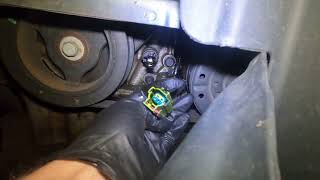
- 2.4L I4: On the side of the engine block, located underneath the intake manifold. Access is tight.
- 2.7L V6: Low on the engine block. This is a difficult job that may require removing the CV axle for access.
- 3.5L V6: On the engine block, typically accessed from under the vehicle.
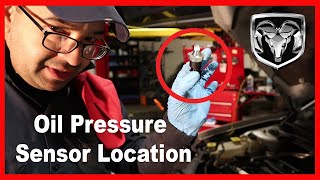
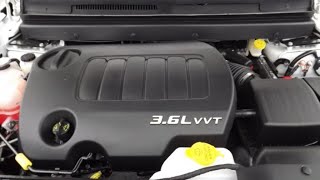
- 3.6L V6: On top of the engine in the oil filter housing, which is located in the valley between the cylinder heads, under the upper and lower intake manifolds.
Can I replace this part myself?
For an experienced DIY mechanic, this is possible on the 2.4L and 3.6L engines, but it is challenging. The 3.6L requires removing the intake manifolds, and the 2.4L requires working in a tight space. The 2.7L is extremely difficult and best left to a professional. A special deep socket designed for oil pressure switches is highly recommended to avoid damaging the new part.
Is there a recall for this issue?
There is no direct recall for the sensor itself. However, recall NHTSA 13V-552 was issued for some 2013-2014 Avengers with the 2.4L engine for a faulty balance shaft module that could cause a loss of oil pressure. The more common issue with the sensor is covered by TSB 18-034-14, which is a repair bulletin for technicians, not a recall.
Why is my new switch leaking?
If a new switch is leaking, it could be due to a few reasons. The threads may have been damaged during installation, which can happen easily if the switch is cross-threaded. It's also possible the sealing surface on the engine block is dirty or damaged. On 3.6L models, the leak may not be from the switch itself but from a crack in the oil filter housing it screws into.
Helpful Videos
Technical Specifications
OEM Part Numbers: 05149062AA 5149062AA 68003360AA 05149062AB
The location and replacement difficulty vary significantly depending on whether you have the 2.4L, 2.7L, 3.5L, or 3.6L engine. The 3.6L engine requires removing the intake manifold for access.
We Have This Part in Stock


The information in this article is provided for general reference and educational purposes only. Vehicle specifications, procedures, and part compatibility can vary by production date, trim level, and region. Always consult your vehicle's factory service manual and verify part numbers before purchasing or performing repairs. Safety-critical components such as airbags, seat belts, and braking systems should be installed by a qualified professional.
- Dodge Avenger: