

Dodge Avenger Transmission Speed Sensor Guide (2008-2014)
Solve your 2008-2014 Dodge Avenger's harsh shifting and erratic speedometer issues by understanding the vehicle speed sensor.
- Transmission problems like harsh shifting are the #1 symptom of a failing speed sensor on the Avenger.
- This is a DIY-friendly repair that usually takes about an hour with basic tools.
- Check for codes P0721 or P0722 to confirm the output sensor is the likely problem before buying parts.
- Invest in a quality aftermarket brand like Delphi, Standard Ignition, or NTK to avoid replacing the part again soon.
Is It a Transmission Sensor or a Wheel Sensor?
Many Avenger owners confuse the transmission speed sensors with the ABS wheel speed sensors. If your main problems are harsh shifting, getting stuck in gear, or a non-working speedometer, the transmission speed sensors are the likely cause. If your ABS and traction control lights are on, the problem is more likely one of the wheel speed sensors. This guide focuses on the transmission speed sensors.
Symptoms of a Failing Transmission Speed Sensor

A bad transmission speed sensor sends wrong signals to your car's computer, causing clear and frustrating symptoms. You will likely notice one or more of the following issues:
- Erratic Shifting: The most common symptom is poor automatic transmission performance. This can feel like hard, jerky shifts, delayed shifting, or the transmission getting stuck in one gear (often called 'limp mode').
- Faulty Speedometer: The speedometer may behave erratically, showing the wrong speed, or not move at all.
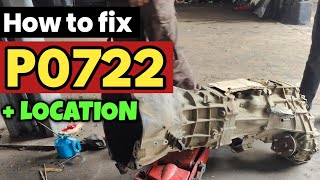
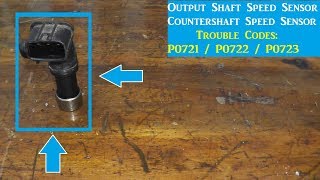
- Check Engine Light: A failing sensor will almost always trigger the check engine light. Common codes include P0721, P0722, and P0723, which point directly to the output speed sensor. 🎬 See this walkthrough for replacing the output shaft speed sensor.
- Cruise Control Not Working: Because the system doesn't know the vehicle's true speed, cruise control will usually be disabled.
A Note on Transmission Health
These symptoms can be similar to more serious internal transmission failure. It is critical to scan for codes. If codes like P0721 or P0722 are present, replacing the sensor is the correct first step.
Choosing the Right Aftermarket Speed Sensor

For electronic parts like sensors, quality matters. While you can save money with an aftermarket part, choosing a brand with a good reputation is key to avoiding a repeat failure. Some forum users report that cheap, no-name sensors can be faulty right out of the box or fail quickly. Based on owner experiences and mechanic recommendations, aftermarket brands for your Avenger can be grouped into tiers.
Premium Aftermarket (Highest Quality & Reliability):
- Delphi: A major OEM supplier for many car parts, known for high quality electronics.
- Standard Ignition (SMP): A well-respected aftermarket brand that many professional technicians trust for sensors.
- NTK: The sensor brand from NGK, a top name in automotive parts, often considered OEM-quality.
Standard Replacement (Good Value & Performance):
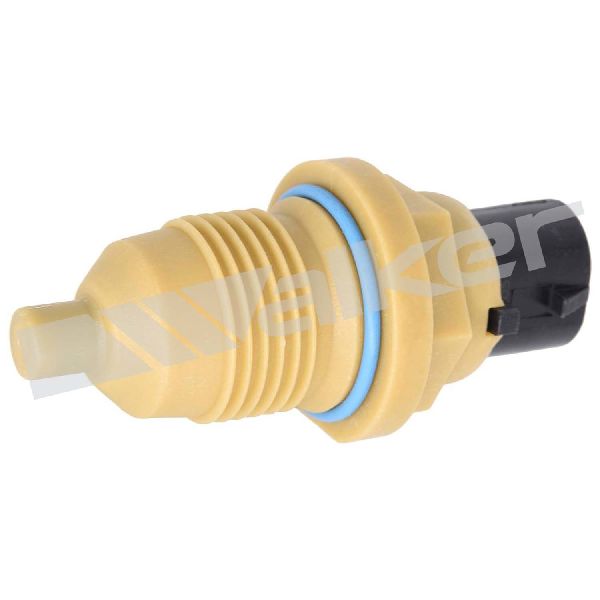
- Walker Products: A long-standing brand offering a wide range of sensors that meet OE specifications.
- Holstein Parts: Offers OE-spec parts and is a common choice for reliable replacements.
- Crown Automotive: Known for Jeep parts, but provides dependable components for other Dodge vehicles.
Economy (Budget-Focused):
- URO Parts: Often the most affordable option, but quality can be inconsistent for electronic parts.
- Skyward, True Tech: These fall into the budget category. They may work fine, but the risk of early failure is higher compared to premium brands.
Pro Tip: For a critical electronic part like a speed sensor, spending a few extra dollars on a premium aftermarket brand like Delphi or Standard Ignition can save you the headache of doing the job twice.
Cost of Replacing a Dodge Avenger Speed Sensor
| Part Type | Price Range |
|---|---|
| New Aftermarket | $13.98 - $42.57 |
| New OEM (Mopar) | $50 - $120 |
| Shop Labor | $80 - $150 |
Frequently Asked Questions

Where are the speed sensors located on a 2008-2014 Dodge Avenger?
The Avenger has two transmission speed sensors. The input speed sensor is on top of the transmission, closer to the engine, and can be accessed by removing the engine air box. The output speed sensor is on the side of the transmission, and is easiest to reach by removing the driver's side front wheel.
Can I drive my Avenger with a bad speed sensor?
You can, but it is not recommended for long. Your vehicle may go into "limp mode," locking it in a single gear. This will cause very poor acceleration and high engine RPMs at speed. The unpredictable shifting can be a safety hazard in traffic.
Is replacing the speed sensor a DIY job?
Yes, for most home mechanics with basic tools. The sensors are each held by a single bolt (usually 8mm or 10mm) and an electrical connector. The main challenge is accessing them. You'll need a ratchet, sockets, and possibly a screwdriver to release the connector clip.
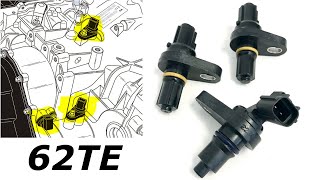
🎬 Watch: Step-by-step 62TE transmission sensor replacement guide.Is an OEM Mopar sensor better than aftermarket?
An OEM sensor is a guaranteed fit and quality, but it comes at a higher price. High-quality aftermarket brands like Delphi, NTK, or Standard Ignition offer similar performance and reliability for less money. For electronics, it's wise to avoid the cheapest, unbranded options, as their failure rates are higher.
Are there any recalls for the Dodge Avenger speed sensor?
No, there are no specific recalls for the transmission speed sensors on the 2008-2014 Dodge Avenger. There was a recall for a wheel bearing encoder ring that affected the *wheel speed signal*, but this is a different part and system.
Helpful Videos
Technical Specifications
OEM Part Numbers: 4800879 5078554AA 4800878
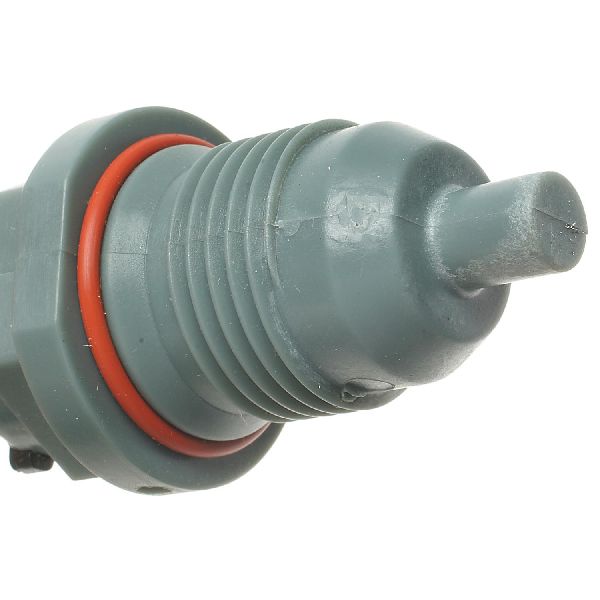
The 2008-2014 Dodge Avenger uses separate input and output speed sensors on the automatic transmission. They are not interchangeable. The output sensor is the most common one to fail and cause shifting issues.
We Have This Part in Stock


The information in this article is provided for general reference and educational purposes only. Vehicle specifications, procedures, and part compatibility can vary by production date, trim level, and region. Always consult your vehicle's factory service manual and verify part numbers before purchasing or performing repairs. Safety-critical components such as airbags, seat belts, and braking systems should be installed by a qualified professional.
- Dodge Avenger: