

Dodge Challenger Fuel Injector Guide for 2008-2014 Models
Fix rough idles, misfires, and restore performance by understanding your Challenger's fuel injectors.
- A rough idle, engine misfires (P030x codes), and a loss of power are the most common symptoms of a bad fuel injector.
- If you smell raw fuel, do not drive the car. It indicates a dangerous leak and a potential fire hazard.
- For best results, choose a quality aftermarket brand like Bosch or an OEM-equivalent like Crown Automotive.
- It is strongly recommended to replace all injectors as a set on a higher mileage vehicle to save on future labor costs.
Is Your Challenger's Fuel Injector Failing?
A bad fuel injector in your 2008-2014 Dodge Challenger can cause a range of frustrating problems. The most common signs are a shaky or rough idle, a check engine light, and a noticeable loss of power. You might feel the engine stutter or hesitate when you accelerate. Many owners first notice a problem when the engine starts misfiring, which can feel like a jerking or sputtering sensation while driving.
Other symptoms include worse gas mileage, difficulty starting the engine, and a strong smell of gasoline inside or outside the car. A fuel smell is a serious warning sign of a leak and a potential fire hazard; the vehicle should not be driven if this occurs.
Common Diagnostic Trouble Codes (DTCs):
- P0300: Random/Multiple Cylinder Misfire Detected.
- P0301-P0308: Cylinder-specific misfire (e.g., P0306 is a misfire on cylinder 6).
- P0201-P0208: Injector Circuit Malfunction for a specific cylinder (e.g., P0206 points to an issue with the injector or wiring for cylinder 6).
Safety Warning: Fuel Leaks and Recalls
While no fuel injector-specific recalls were issued for the 2008-2014 models, nearby model years had recalls for leaking fuel rail hoses. A raw fuel smell is a critical symptom that should be addressed immediately due to the risk of fire. Do not drive the vehicle if you smell fuel.
Choosing the Right Aftermarket Fuel Injector
When replacing a fuel injector, you have options ranging from budget-friendly to premium OEM-spec parts. For a critical component like this, quality matters. A cheap, poorly made injector can fail quickly, leading to repeated repairs and potential engine damage.
Brand Quality Tiers
Tier 1: Premium Brands (Bosch)
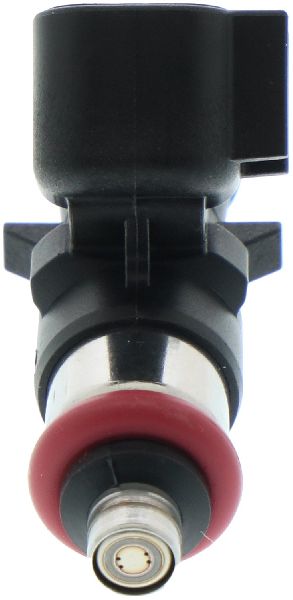
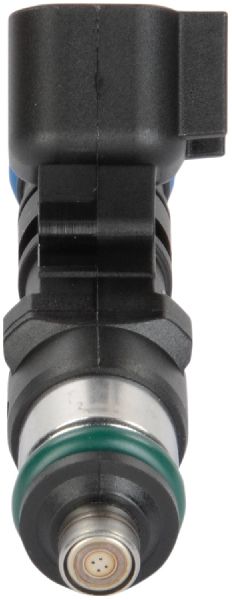
Bosch is a well-regarded OEM supplier for many manufacturers, and their parts are known for high quality and reliability. Choosing a Bosch injector means you are getting a part engineered to meet or exceed original factory specifications. They are built with superior materials for better corrosion resistance, which is ideal for ensuring longevity. This is the recommended choice for peace of mind and long-term performance.
Tier 2: OEM-Equivalent Brands (Standard Ignition, Crown Automotive)
Brands like Standard Ignition and Crown Automotive specialize in producing direct-fit replacement parts that aim to match OEM quality. Crown Automotive specifically focuses on Chrysler, Dodge, and Jeep vehicles, offering parts that are designed to be a direct swap. These brands offer a good balance of quality and cost for a daily driven vehicle.
Tier 3: Budget & Remanufactured (GBR Fuel Injection, Replacement)
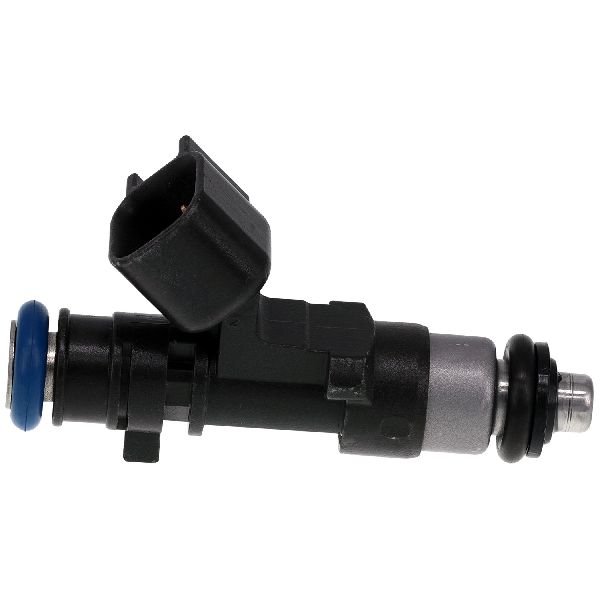
Remanufactured injectors from brands like GBR, and generic "Replacement" branded parts, are the most affordable option. However, the quality can be inconsistent. Some user reviews report these injectors failing out of the box or after only a few months of use, causing repeated misfires and frustration. While some have success with them, it is a higher-risk choice. These may be suitable for a temporary fix or a budget-build, but be aware of the potential for premature failure.
Pro Tip: Mechanics often recommend replacing fuel injectors as a complete set, especially if your Challenger has over 100,000 miles. Injectors wear at a similar rate. If one has failed due to age or contamination, the others are likely not far behind. Replacing them all at once saves on future labor costs.
Estimated Replacement Costs
| Part/Service | Estimated Cost |
|---|---|
| Single Aftermarket Injector | $32 - $150 |
| Single OEM Injector | $100 - $200 |
| Shop Labor | $250 - $500 (Varies by engine and shop rates) |
| Total (Single Injector) | $282 - $650 |
| Total (Full Set of 8) | $500 - $2100+ |
Frequently Asked Questions
Should I replace only the bad injector or the whole set?
For a higher-mileage vehicle, it is highly recommended to replace all fuel injectors at the same time. They are all the same age and have been subjected to the same conditions. If one has failed, others may be weak and fail soon, costing you more in labor down the road.
Is replacing a fuel injector a DIY job?
For an experienced DIY mechanic, yes. The process involves relieving fuel system pressure, disconnecting the battery, removing the fuel rail, and swapping the injectors. However, it requires care, the right tools, and safety precautions due to working with gasoline. If you are not comfortable working with the fuel system, it is best to leave this job to a professional.
What causes fuel injectors to fail?
Injectors can fail from electrical issues within the injector's coil, but most often they fail due to clogging. Debris from the fuel tank or carbon buildup from the combustion process can block the tiny nozzle, disrupting the spray pattern. Using high-quality gasoline can help reduce deposits.
Do I need a special tool to replace fuel injectors?
Generally, you will need a standard set of mechanic's tools, including sockets, wrenches, and pliers. A fuel line disconnect tool may be required. It is also crucial to have a fire extinguisher nearby and to lubricate the new injector O-rings with clean engine oil before installation to ensure a proper seal and prevent damage.
Technical Specifications
OEM Part Numbers: 5184085AC 05281427AA
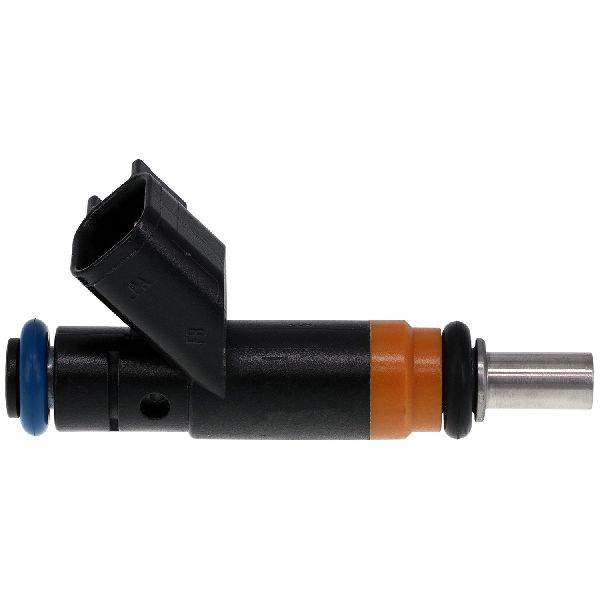
Fuel injectors for the 2008-2014 Challenger are port-injected. They are specific to the engine (3.6L V6, 5.7L V8, 6.1L V8, or 6.4L V8). Always verify the part number fits your specific engine before purchasing.
We Have This Part in Stock


The information in this article is provided for general reference and educational purposes only. Vehicle specifications, procedures, and part compatibility can vary by production date, trim level, and region. Always consult your vehicle's factory service manual and verify part numbers before purchasing or performing repairs. Safety-critical components such as airbags, seat belts, and braking systems should be installed by a qualified professional.
- Dodge Challenger: