

GMC Yukon 2008-2014 Engine Coolant Thermostat: A Complete Guide
Everything a Yukon owner needs to know before replacing a failing engine coolant thermostat.
- A check engine light with code P0128 is the most common sign of a failed thermostat in a 2008-2014 Yukon.
- The thermostat is a straightforward DIY replacement, located at the front of the engine.
- It is highly recommended to replace the entire thermostat and housing assembly, not just the internal valve.
- While you are performing the repair, it is a good practice to also replace the nearby coolant temperature sensor.
Is Your Yukon's Thermostat Failing?
A bad thermostat can cause a range of issues, from annoying to potentially engine-damaging. The most common failure mode for this part on the 2008-2014 Yukon is getting stuck open. While less dangerous than being stuck closed, it still needs to be addressed promptly.
Key Symptoms of a Bad Thermostat:
- Check Engine Light: The most frequent sign is a check engine light with code P0128 (Coolant Temperature Below Thermostat Regulating Temperature). This code sets because the engine's computer detects that the engine isn't warming up as quickly as it should, a classic sign of a thermostat stuck open.
- Low Temperature Gauge Reading: If your temperature gauge struggles to reach the normal operating range (around 210°F) or drops towards cold during highway driving, the thermostat is likely stuck open.
- Poor Heater Performance: Your Yukon's heater uses hot engine coolant to warm the cabin. If the engine isn't getting hot enough, your heater will only blow lukewarm air, especially on cold days.
- Engine Overheating: Though less common, a thermostat can fail in the closed position. This is a critical situation. If you see the temperature gauge rapidly climbing into the red, pull over immediately and shut off the engine to prevent catastrophic damage.
- Cooling Fans Running Excessively: As a fail-safe, when the engine's computer gets conflicting temperature readings or detects a fault (like from a P0128 code), it may run the electric cooling fans at full speed, even after you turn the truck off.
A Note on Related Issues
Symptoms like a fluctuating temperature gauge or a no-start condition when the engine is warm can sometimes be caused by a chafed wiring harness near the alternator, which affects the coolant temperature sensor. While the thermostat is the most common culprit for code P0128, it's worth inspecting this harness if a new thermostat doesn't solve the problem.
Choosing the Right Aftermarket Thermostat
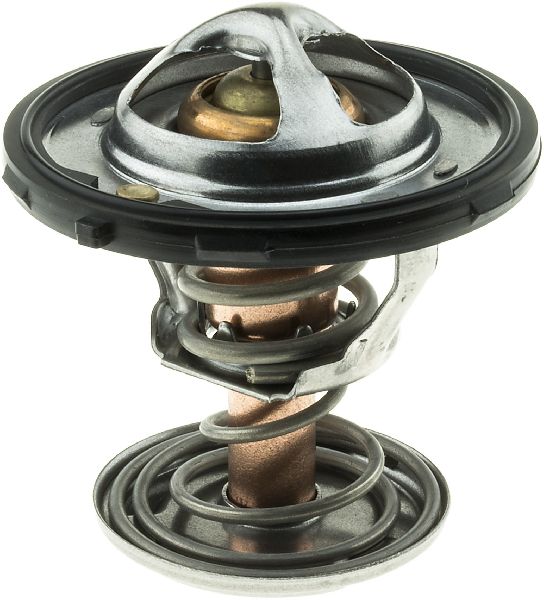
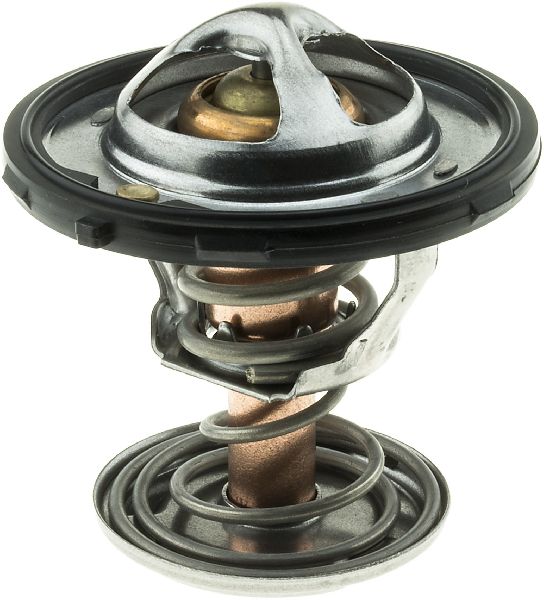
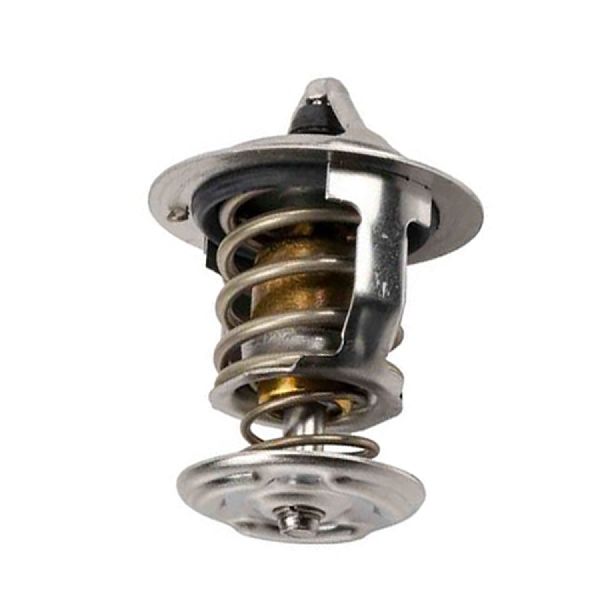
For the 2008-2014 Yukon, the thermostat is typically sold as a complete assembly with the housing. While you can buy just the thermostat insert, replacing the whole unit is recommended as the plastic housing can become brittle over time. When it comes to aftermarket versus OEM, many owners have good experiences with quality aftermarket parts, which can offer significant savings.
| Brand Tier | Brands | Quality & Performance Notes |
|---|---|---|
| Tier 1: OE Quality | Gates | Gates is a well-respected brand that often manufactures parts for original equipment suppliers. Their thermostats are known for reliability and consistent performance, meeting or exceeding OE standards. A solid choice for a worry-free replacement. |
| Tier 2: Standard Aftermarket | Motorad, Calorstat | Motorad is a very common aftermarket brand and even serves as an OEM supplier for some manufacturers. They offer features like "fail-safe" thermostats designed to stick open upon failure. Calorstat is a reputable European brand, also an OEM supplier, known for quality construction. Both are reliable, budget-friendly options. |
| Tier 3: Performance/Specialty | Mishimoto | Mishimoto specializes in performance cooling parts. Their thermostats may open at a lower temperature, which is generally not necessary or recommended for a stock daily-driven Yukon. While high quality, they are often more expensive and may be considered overkill unless you have specific performance cooling needs. |
Pro Tip: Replace the Coolant Temperature Sensor
While you're replacing the thermostat, it's a great idea to also replace the Engine Coolant Temperature (ECT) sensor. It's located nearby, inexpensive, and you're already draining the coolant. This cheap insurance can save you from having to do the job twice if the sensor fails later.
Frequently Asked Questions (FAQ)
Is replacing a Yukon thermostat a DIY job?
Yes, for someone with basic mechanical skills and tools, this is a very feasible DIY job. The thermostat is located at the front of the engine, connected to the upper radiator hose, making it easily accessible. The process involves draining some coolant, removing the air intake box for clearance, unbolting the housing, and swapping the part. Estimated time is about 1-2 hours.
What coolant should I use for my 2008-2014 GMC Yukon?
Your GMC Yukon requires a DEX-COOL type coolant. It is an orange-colored, long-life coolant. Always use the correct type to prevent corrosion and damage to your cooling system. When refilling, you can use a 50/50 pre-mixed solution or mix concentrated DEX-COOL with distilled water.
Do I need to replace the whole housing or just the thermostat?
Most aftermarket and OEM parts for this Yukon generation are sold as a complete assembly including the thermostat, seal, and housing. Given the age of these vehicles, the original plastic housing can become brittle and prone to cracking. Replacing the entire assembly is the recommended and most reliable repair.
Are there any recalls for the thermostat on my Yukon?
A search of the National Highway Traffic Safety Administration (NHTSA) database shows no specific recalls for the engine coolant thermostat on the 2008-2014 GMC Yukon. Problems with this part are generally addressed as individual repairs.
Technical Specifications
OEM Part Numbers: 12674639 25201448
Standard temperature rating is typically 187°F-190°F. The part is usually sold as a complete assembly with the housing and integrated seal.
We Have This Part in Stock


The information in this article is provided for general reference and educational purposes only. Vehicle specifications, procedures, and part compatibility can vary by production date, trim level, and region. Always consult your vehicle's factory service manual and verify part numbers before purchasing or performing repairs. Safety-critical components such as airbags, seat belts, and braking systems should be installed by a qualified professional.
- GMC Yukon: