

GMC Yukon 2008-2014 Windshield Washer Pump Replacement Guide
If your washer fluid isn't spraying, the pump is the likely culprit—here's what you need to know.
- Before replacing, check the washer fluid level and the under-hood fuse (#7) first.
- A single pump controls both front and rear washers on the Yukon.
- This is a very DIY-friendly repair; access is through the front passenger wheel well.
- OEM (ACDelco) pumps are often priced similarly to aftermarket options, so compare prices before buying.
Is Your Windshield Washer Pump Failing?
A faulty washer pump is more than an annoyance; it's a safety issue. When your windshield is dirty and you can't clear it, your visibility is dangerously reduced. Before you buy a new pump, it's important to make sure the pump is actually the problem. Here are the common symptoms of a bad washer pump on a 2008-2014 GMC Yukon.
Diagnosing the Problem
First, make sure you have washer fluid in the reservoir. If the tank is full, the next step is to listen. Have a friend stand near the front passenger-side wheel while you activate the washer switch.
- If you hear a humming sound: The pump motor is working, but there might be a clog in the lines or at the nozzles. It's also possible the pump's internal impeller has failed.
- If you hear nothing: The pump is likely dead or not receiving power. Before replacing the pump, check the fuse. For the 2008-2014 Yukon, the windshield washer pump fuse is typically fuse #7 (a 15-amp fuse) located in the under-hood fuse box. If the fuse is good, the pump itself has likely failed.
Pro Tip: Check for Recalls
Some 2007-2009 GMC Yukon models were part of a recall for a heated windshield washer fluid system that could be a fire hazard. The fix involved disabling the heating element. While this doesn't directly affect the pump's function, it's good to be aware of your vehicle's history. No recalls were found for the pump itself on 2010-2014 models.
Choosing a New Aftermarket Washer Pump
When replacing the washer pump on your Yukon, you have a choice between Original Equipment (OEM) and aftermarket parts.
- OEM (ACDelco): These are the parts your vehicle came with from the factory. They guarantee a perfect fit and function. For this specific part, the price of an OEM pump is often very competitive with aftermarket options.
- Aftermarket (Trico and others): Aftermarket brands like Trico produce parts that are designed to be direct replacements. Trico is a well-known brand, primarily for wiper blades, and their pumps are generally considered a reliable replacement part. The main benefit of aftermarket parts is usually cost savings, though in this case, the price difference may be minimal.
For the 2008-2014 Yukon, the price for a new OEM washer pump can be surprisingly low, sometimes falling in the same range as aftermarket options. Always compare the current price of an OEM ACDelco pump before deciding on an aftermarket part.
Installation Overview
Replacing the washer pump is a straightforward job that most DIYers can handle. The pump is located on the washer fluid reservoir, which is accessed by removing the front passenger-side wheel and pulling back the fender liner. The pump is press-fit into the reservoir with a rubber grommet. The process involves siphoning the remaining fluid, pulling the old pump out, disconnecting the electrical plug and hoses, and installing the new pump in reverse order.
| Part Type | Part Cost | Shop Labor Cost | Total Estimated Cost (Installed) |
|---|---|---|---|
| New Aftermarket | $20 - $40 | $169 - $248 | $189 - $288 |
| New OEM (ACDelco) | $25 - $50 | $169 - $248 | $194 - $298 |
Frequently Asked Questions
Do I need to replace the front and rear pumps separately?
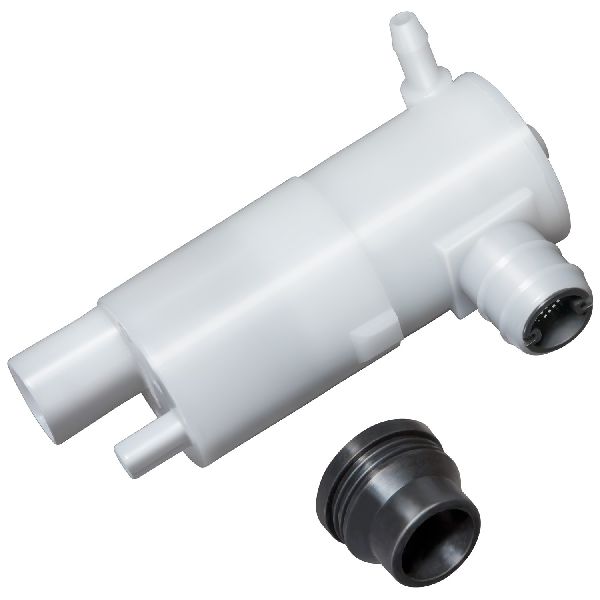
No, the 2008-2014 GMC Yukon uses a single pump with two outlets that directs fluid to the front or rear windshields. When you replace the pump, you are replacing the unit that controls both.
My pump hums but no fluid comes out. Is it broken?
Not necessarily. If the pump is making noise, it's getting power. The problem could be a clog in the washer fluid lines or nozzles, or the fluid could be frozen in the lines during winter. Also, check the small filter screen on the pump's intake; it can get clogged with gel-like deposits from mixed washer fluids.
Is it difficult to replace the washer pump myself?
This is a great DIY project for beginners. It requires basic tools, like a jack, jack stands, and a socket set. The most difficult part is removing the wheel and fender liner to get access. The pump itself just pulls out and pushes in.
Why did my washer pump fail?
The most common reasons for failure are age and wear. The small electric motor simply wears out. Running the pump while the reservoir is empty can also cause it to overheat and fail prematurely. In some cases, internal corrosion from moisture can cause failure.
Technical Specifications
OEM Part Numbers: 20999341 15248584 15942523 22127573 89025063
Dual outlet pump for front and rear washer systems.
We Have This Part in Stock

The information in this article is provided for general reference and educational purposes only. Vehicle specifications, procedures, and part compatibility can vary by production date, trim level, and region. Always consult your vehicle's factory service manual and verify part numbers before purchasing or performing repairs. Safety-critical components such as airbags, seat belts, and braking systems should be installed by a qualified professional.
- GMC Yukon: