

A Comprehensive Guide to the 2008-2014 Nissan Altima Engine Oil Pressure Switch
Seeing the dreaded oil light on your dash? It might just be a simple, inexpensive sensor.
- First, always check your engine oil level. A flickering light could mean you are simply low on oil.
- Do not drive with the oil pressure light on. You risk severe engine damage if the problem is not a faulty sensor.
- A flickering light at idle that goes away when you accelerate is a classic symptom of a failing oil pressure switch.
- The replacement is a simple DIY job for many, but ensure you have the correct deep socket (24mm or 27mm) and use thread sealant on the new part if it's not pre-applied.
Is Your Altima's Oil Light On? Don't Panic Yet.

The red oil pressure light on your 2008-2014 Nissan Altima's dashboard is a serious warning. It's designed to get your attention because low oil pressure can quickly lead to catastrophic engine damage. However, the cause isn't always a major internal engine problem. Often, the issue is a small, inexpensive sensor: the engine oil pressure switch. This guide will help you understand the symptoms of a failing switch, choose the right aftermarket replacement, and know what to expect for the repair.
Symptoms of a Failing Oil Pressure Switch

Before assuming the worst, check your oil level with the dipstick. If the level is correct, a faulty oil pressure switch is a likely culprit. Common symptoms include:
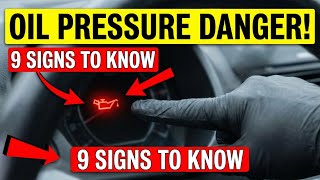
🎬 Watch this video to learn more about oil sensor warning signs.- Flickering Oil Light: The oil light may flicker, especially at idle or when the engine is hot, and then go away as you increase RPMs. This can happen when the sensor is on the verge of failing and gives inconsistent readings.
- Oil Light Stays On: The warning light might stay on constantly, even if you know the oil level and pressure are fine.
- Oil Leaks: The switch itself can fail, developing a leak. You might see oil residue on the sensor or drips under the vehicle near the sensor's location.
- Check Engine Light: In some cases, a failing oil pressure sensor can trigger the Check Engine Light and store a diagnostic trouble code (DTC), such as P0520, P0521, P0522, P0523, or P0524.
Cost at a Glance
| Part Type | Price Range |
|---|---|
| New OEM | $25 - $40 |
| New Aftermarket | $15 - $125 |
| Shop Labor | $55 - $140 |
Choosing the Right Aftermarket Part

When it comes to sensors, quality can vary. While an OEM Nissan part offers a guaranteed fit and function, quality aftermarket brands provide a reliable alternative at a lower cost. For a simple switch like this, an aftermarket part is a very reasonable choice.
Here’s a breakdown of the available brands:
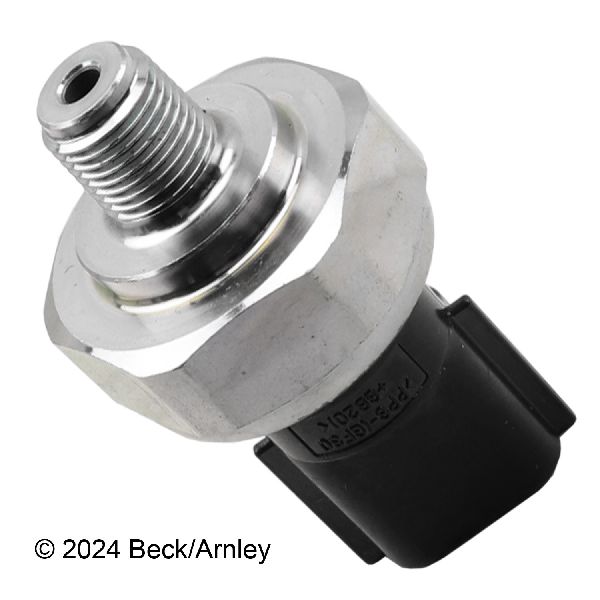
- Premium Aftermarket (Higher Tier): Brands like Standard Ignition (SMP) and Beck Arnley are well-regarded in the aftermarket for producing parts that meet or exceed OEM specifications. They are a solid choice for reliability and longevity.
- Standard Aftermarket (Mid-Tier): Brands like Vemo and Facet offer a good balance of quality and price. They are a dependable option for daily drivers.
- Economy Aftermarket (Value Tier): Brands like Global Parts offer the most budget-friendly options. While functional, they may not have the same long-term durability as higher-priced alternatives.
- Specialty Brands: Rostra Powertrain is a known manufacturer of OE and aftermarket electronic components, particularly for transmissions, and is certified for quality manufacturing.
Pro Tip: Many aftermarket switches do not come with thread sealant pre-applied like the factory part. Be sure to apply a small amount of appropriate thread sealant to the new switch's threads before installation to prevent oil leaks.
Installation & Known Issues

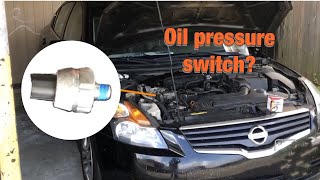
For the 2008-2014 Altima, the oil pressure switch is typically located on the engine block, often near the oil filter on the lower passenger side. However, its exact position can vary depending on whether you have the 2.5L 4-cylinder or 3.5L V6 engine. On some models, it may be tucked under the intake manifold. The replacement is straightforward for a DIYer with the right tools, primarily a deep socket (usually 24mm or 27mm). 🎬 See how to find and change the switch on 2009-2012 models. No recalls or specific Technical Service Bulletins (TSBs) were found for this part on this vehicle range.
Frequently Asked Questions (FAQ)
Can I drive my Altima with a bad oil pressure switch?
It is not recommended. The warning light exists to alert you to low oil pressure, which can destroy your engine. Since you can't be sure if the warning is due to a bad switch or actual low pressure, you should stop driving immediately and have the vehicle inspected.
Where is the oil pressure switch located on a 2008-2014 Altima?
It is usually screwed into the engine block. On many Altimas from this generation, you can find it on the lower passenger side of the engine, near the oil filter. Always confirm the location for your specific engine (2.5L or 3.5L) before beginning work.
Is it hard to replace the oil pressure switch myself?
For most experienced DIYers, this is a simple job that takes about 30 minutes. It involves disconnecting the battery, unplugging the electrical connector, and using a deep socket to unscrew the old switch and install the new one. However, access can be tight, so patience is key.
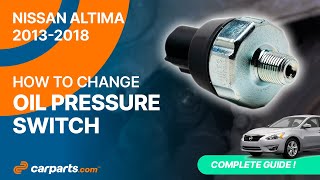
🎬 Follow this step-by-step guide to replace the oil pressure switch.What's the difference between an oil pressure switch and a sending unit?
The terms are often used interchangeably. A simple "switch" just turns the warning light on or off at a preset pressure. A "sending unit" or "sensor" can provide a variable reading to an oil pressure gauge on the dashboard. For most Altimas in this year range, it is a simple switch for the warning light.
Helpful Videos

Technical Specifications
OEM Part Numbers: 25240-4M40E 25240-4M400 25240-JA00A
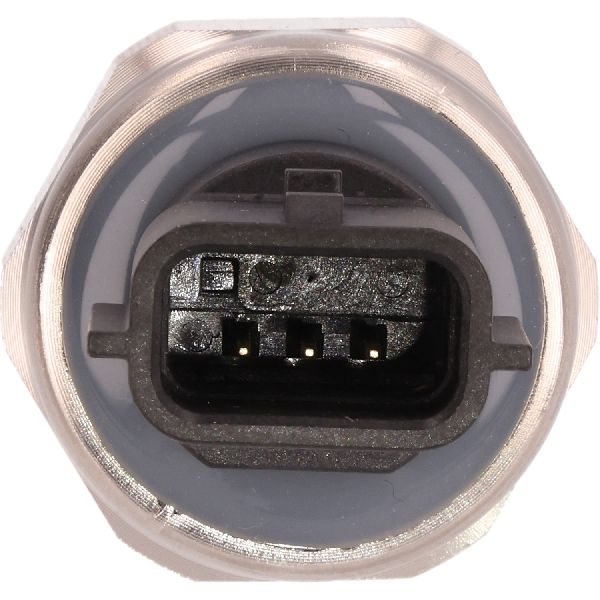
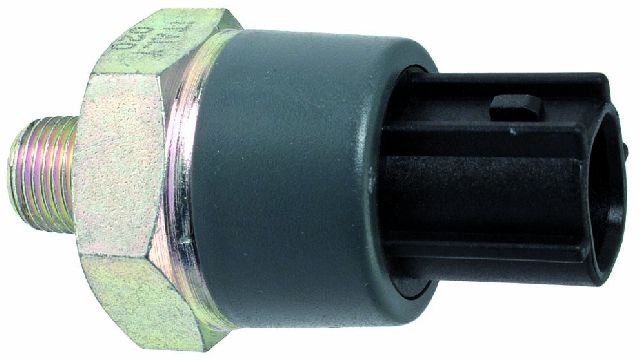
The oil pressure switch is a single-pin sensor that screws into the engine block. It requires a deep socket for removal and installation, typically 24mm or 27mm. The threads should be sealed to prevent leaks.
We Have This Part in Stock


The information in this article is provided for general reference and educational purposes only. Vehicle specifications, procedures, and part compatibility can vary by production date, trim level, and region. Always consult your vehicle's factory service manual and verify part numbers before purchasing or performing repairs. Safety-critical components such as airbags, seat belts, and braking systems should be installed by a qualified professional.
- Nissan Altima: