

A Guide to Spark Plugs for the 2008-2014 Volkswagen Golf
Keep your Golf's engine running strong by choosing the right spark plugs for your specific engine.
- Stick with OEM-equivalent brands like Bosch and NGK for the best performance and reliability, especially for turbocharged GTI models.
- Always check the spark plug gap before installation, even if they are advertised as "pre-gapped".
- Replacement is recommended every 40,000-60,000 miles, but this interval may be shorter for tuned vehicles.
- Symptoms of failure include rough idle, poor acceleration, reduced gas mileage, and a flashing check engine light.
Symptoms of Failing Spark Plugs
When your spark plugs are worn out, your Golf's engine performance will suffer. You might notice one or more of these signs:
- Rough Idle: The engine may shake or vibrate more than usual when the car is stopped.
- Engine Misfires: You might feel a hesitation or stumble from the engine, especially when accelerating. This can trigger the Check Engine Light, often with codes like P0300 (random misfire) or P0301-P0304 (misfire on a specific cylinder).
- Poor Acceleration: The car may feel sluggish and slow to respond when you press the gas pedal.
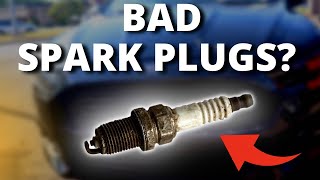
- Reduced Fuel Economy: Worn plugs can cause incomplete fuel combustion, leading to more frequent trips to the gas station. 🎬 Watch: A visual guide to identifying symptoms of bad spark plugs. A bad spark plug can lower your gas mileage by as much as 30%.
- Difficulty Starting: A weak spark can make it harder for the engine to start, especially in cold weather.
Choosing the Right Aftermarket Spark Plugs
For the 2008-2014 Volkswagen Golf, which includes both the Mk5 and Mk6 generations, the original equipment (OEM) spark plugs were typically supplied by Bosch or NGK. These brands are considered the gold standard for German vehicles and are a safe bet for quality and compatibility.
Aftermarket Brand Quality Tiers
| Tier | Brands | Quality Assessment |
|---|---|---|
| OEM-Equivalent / Premium | Bosch, NGK | Excellent quality and reliability. Often the original part manufacturer for VW. Recommended for both standard and tuned engines. |
| Quality Alternative | Denso | A well-respected Japanese brand known for high-quality iridium and platinum plugs. A solid choice if Bosch or NGK are unavailable. |
| Standard / Budget | Autolite, Champion | These brands offer functional, budget-friendly options. They may not have the same longevity or performance as premium brands, especially in turbocharged (TSI/GTI) engines. |
| Unknown / Economy | Skyward | As a lesser-known brand, quality and longevity are not as well-documented as the others. Use with caution, especially in performance-oriented GTI or tuned models. |
Pro Tip: For turbocharged engines like the 2.0T TSI found in the GTI, it is highly recommended to stick with OEM-equivalent brands like NGK or Bosch. These engines are more sensitive to spark plug quality and performance.
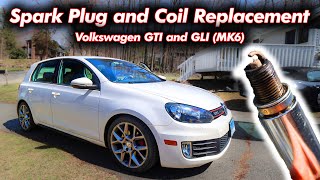
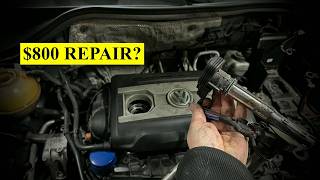
🎬 See this walkthrough for replacing plugs and coils on GTI models.Known Issues, Recalls, or TSBs
Searches for the 2008-2014 Volkswagen Golf did not reveal any specific recalls or widespread Technical Service Bulletins (TSBs) directly related to spark plugs from the NHTSA. However, a TSB (28R7) was issued for some much newer 2024 VW models regarding potential cracks in the spark plug's ceramic insulator, which does not apply to the 2008-2014 model years. The most common issues reported by owners are misfires caused by either incorrect plug selection, incorrect gapping, or simply exceeding the service interval.
🎬 Watch: How to replace spark plugs on the 2.5L engine.Frequently Asked Questions (FAQ)
How often should I change the spark plugs on my Golf?
The recommended interval can vary, but a general guideline is every 40,000 to 60,000 miles for standard and turbocharged engines. Some sources recommend replacement as early as every 30,000 miles. If your car is tuned (has modified software for more power), you should consider changing them more frequently. Always check your owner's manual for the specific interval for your engine.
What's the difference between Iridium, Platinum, and Copper plugs?
The main difference is the material used for the center electrode, which affects performance and lifespan. Iridium and Platinum plugs are considered long-life plugs and are standard on most modern engines, including the Golf's TSI engines. They maintain a precise gap for longer. Copper plugs have excellent conductivity but wear out much faster and are generally not recommended for these vehicles.
Do I need to gap the new spark plugs?
Yes, it is always a best practice to check the gap. While many plugs from brands like NGK and Bosch come pre-gapped for the most common applications, the gap can be knocked out of spec during shipping. Using a feeler gauge to verify the gap is correct for your specific engine (stock or tuned) is a crucial step. The stock gap is often around 0.032 inches, but tuned engines may require a smaller gap, like 0.028 inches, to prevent misfires.
Can I use a cheaper spark plug brand in my GTI?
While you can, it's generally not recommended. The turbocharged engines in the GTI models are higher performance and place more stress on ignition components. Using top-tier brands like NGK or Bosch ensures you have a plug that can handle the heat and pressure, providing a reliable spark and preventing potential engine issues.
Helpful Videos
Technical Specifications
OEM Part Numbers: 101905600 101905601F 04E905612 101-905-600-C
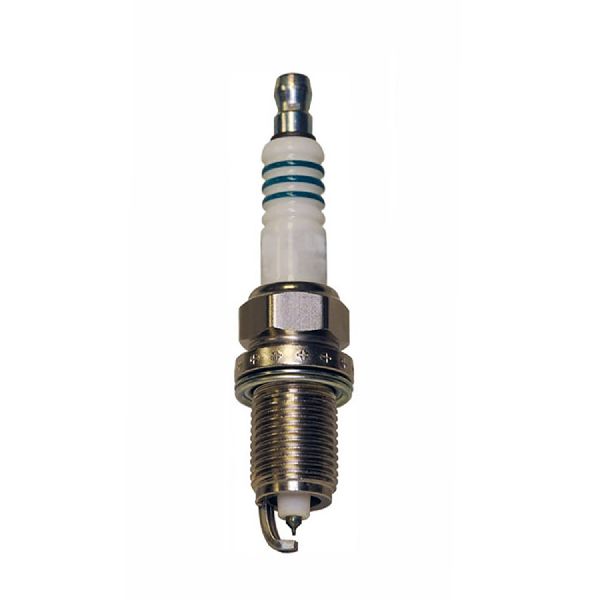
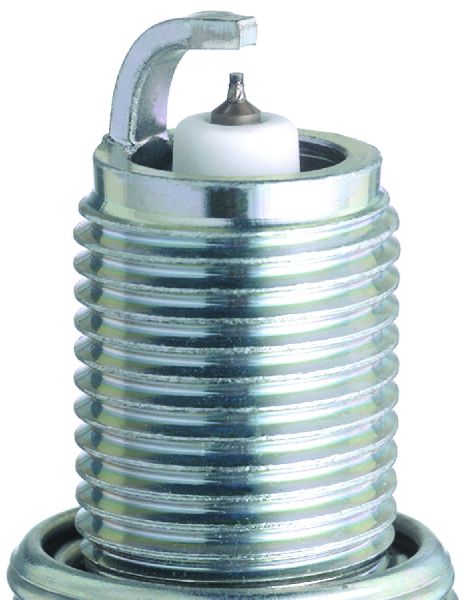
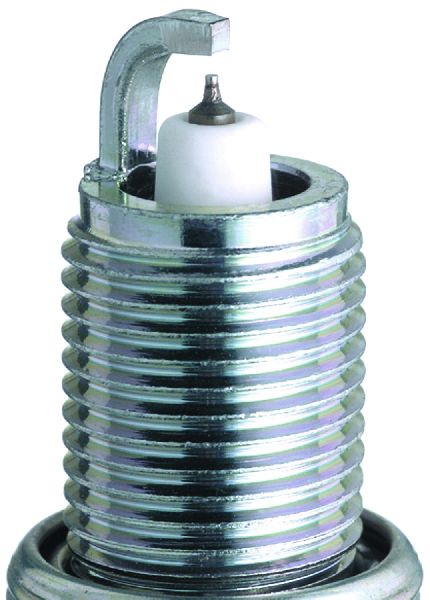
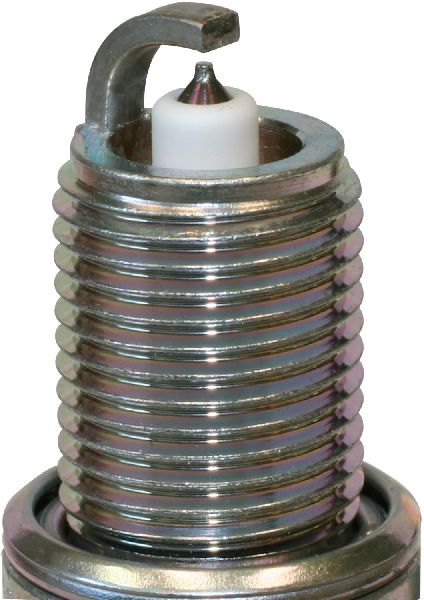
Spark plug type (Iridium, Platinum), heat range, and gap size vary by engine (2.0T TSI, 2.5L 5-Cylinder). Always confirm the correct part number for your specific engine before purchasing. For example, NGK PFR7S8EG is a common plug for the GTI.
We Have This Part in Stock
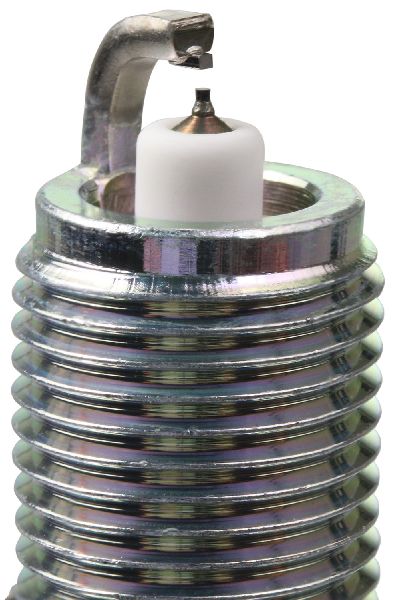
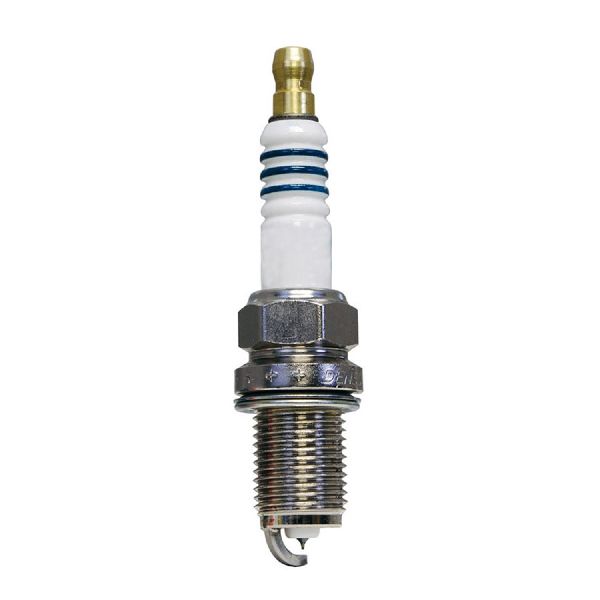

The information in this article is provided for general reference and educational purposes only. Vehicle specifications, procedures, and part compatibility can vary by production date, trim level, and region. Always consult your vehicle's factory service manual and verify part numbers before purchasing or performing repairs. Safety-critical components such as airbags, seat belts, and braking systems should be installed by a qualified professional.
- Volkswagen Golf: