

A Guide to the Camshaft Position Sensor for the 2008-2014 Volkswagen Passat
Experiencing stalling, a check engine light, or trouble starting your Passat? It could be a failing camshaft position sensor.
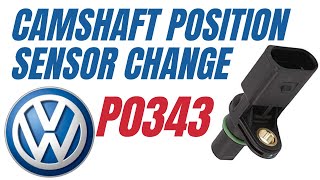
- Common symptoms of failure are a Check Engine Light (P0340, P0341), difficulty starting, and stalling at idle.
- Before replacing the sensor, always check the electrical connector for oil contamination, which can cause the same symptoms.
- Replacement is a simple DIY job for many owners, often taking less than an hour with basic tools.
- For German cars, it is highly recommended to use an OEM or a high-quality aftermarket brand like Bosch or Hella to avoid premature failure.
Is Your Passat Stalling or Running Rough?

If your 2008-2014 Volkswagen Passat is suddenly hard to start, stalling at stoplights, or has the check engine light on, a failing camshaft position sensor is a common suspect. This small sensor plays a huge role in how your engine runs, and when it starts to go bad, it can cause a range of noticeable problems. Ignoring these symptoms can lead to worse engine performance or leave you stranded.
Signs of a Failing Camshaft Position Sensor

A bad camshaft position sensor can make itself known in several ways. You might not experience all of these, but even one is enough to warrant a check.
- Check Engine Light: This is often the first and most obvious sign. A scan will typically show codes like P0340 or P0341. 🎬 Watch this guide to diagnose a P0341 code on your VW.
- Difficulty Starting: The engine may crank for a long time before it starts, or it might not start at all.
- Engine Stalling: The car might unexpectedly shut off while idling or when driving at low speeds.
- Poor Performance: You may notice sluggish acceleration, engine hesitation, or a general loss of power.
- Rough Idle: The engine may shake or run unevenly when the car is not moving.
Pro Tip: Check for Oil Leaks First
Before you replace the sensor, inspect its electrical connector. Oil leaking from the valve cover is a common issue on these engines and can seep into the sensor's plug, causing a bad connection and mimicking the symptoms of a failed sensor. Cleaning the oil out might solve the problem, but the original leak should be fixed to prevent future issues.
Choosing the Right Aftermarket Sensor

When replacing a critical sensor on a German vehicle, part quality is important. While you can always get a part from the dealer (OEM), a good aftermarket part can work just as well for less money. However, not all aftermarket parts are created equal.
- Premium Aftermarket (e.g., Bosch, Hella, Vemo, Delphi): These brands often supply parts directly to Volkswagen. Choosing one of these gives you a high degree of confidence that the part will fit, perform correctly, and last a long time.
- Budget Aftermarket (e.g., "Replacement" or store brands): These are the most affordable options. While the low price is tempting, these sensors can have a higher failure rate. You might save money initially, but you risk having to do the job again if the part fails prematurely. For a critical sensor like this, investing a little more in a reputable brand is often recommended.
Cost to Replace a Camshaft Position Sensor
| Item | Estimated Cost |
|---|---|
| Shop Labor | $75 - $200 |
| OEM Part | $99 - $182 |
| New Aftermarket Part | $28 - $150 |
| Total Professional Replacement | $136 - $535 |
Cost estimates are based on national averages and can vary by location and specific vehicle engine.
Frequently Asked Questions

Can I replace the camshaft position sensor myself?
Yes, this is a DIY-friendly job for many owners. The sensor is usually located on the top of the engine and held by a single bolt. It can be in a tight spot depending on your engine (2.0T, 2.5L, or 3.6L), but it typically requires only basic hand tools and can be done in under an hour.
🎬 See this step-by-step replacement walkthrough for the 2.5L engine.Where is the camshaft position sensor located on the Passat?
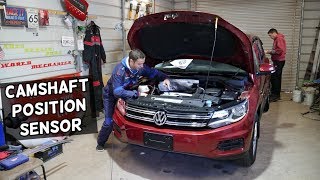
The sensor is typically found near the top of the engine, mounted on the cylinder head close to the timing belt or chain cover. On the 2.5L engine, for example, it is easily accessible after removing the plastic engine cover. You may need to move an air intake hose to see it clearly.
🎬 Watch this video to see exactly where the sensor is located.Are there any recalls for this part on my Passat?
No recalls were found on the NHTSA database specifically for the camshaft position sensor on 2008-2014 Volkswagen Passat models. There was a recall for some 2015-2016 models for a camshaft *lobe* failure, but this is a different, unrelated mechanical issue.
What should I do after replacing the sensor?
After installing the new sensor, you should clear the diagnostic trouble codes (DTCs) from the engine computer using an OBD-II scanner. If you don't have a scanner, the check engine light should turn off on its own after a few drive cycles once the computer verifies the new sensor is working correctly.
Helpful Videos
Technical Specifications
OEM Part Numbers: 07K-907-601-A
Typically a 3-pin Hall effect sensor that provides a digital signal to the ECU. Connector shape is oval.

The information in this article is provided for general reference and educational purposes only. Vehicle specifications, procedures, and part compatibility can vary by production date, trim level, and region. Always consult your vehicle's factory service manual and verify part numbers before purchasing or performing repairs. Safety-critical components such as airbags, seat belts, and braking systems should be installed by a qualified professional.
- Volkswagen Passat: