

A Guide to Aftermarket Brake Pads for the 2010-2014 Honda Insight
Understanding the best brake pad options for your second-generation Honda Insight and how its hybrid system affects your choices.
- Due to regenerative braking, your Insight's brake pads can last much longer than a standard car's, but they still need regular inspection.
- Choose high-quality ceramic pads from brands like Akebono, Bosch, or Centric for quiet, low-dust performance similar to OEM.
- It is strongly recommended to replace brake rotors at the same time as the pads for optimal safety and performance.
- A spongy brake pedal is a known issue (TSB #APaS02102021902) and should be inspected immediately as it may be related to the VSA modulator, not just the pads.
A Note on Vehicle Years
This article is for the second-generation Honda Insight, which covers model years 2010, 2011, 2012, 2013, and 2014. While the request mentioned 2008-2015, the Insight was not produced for the North American market in 2008, 2009, or 2015.
Signs Your Insight's Brake Pads Need Replacing
Even though the Insight's regenerative braking system helps pads last longer 🎬 Watch this video to understand how Honda's regenerative braking works., they still wear out. Ignoring the signs can lead to more expensive repairs. Look out for these common symptoms:
- Squealing or Screeching Noises: This is often the first sign. A small metal tab called a wear indicator contacts the brake rotor, making a high-pitched noise to alert you that the pads are thin.
- Grinding Sounds: If you hear a deep, metallic grinding, it means the brake pad material is completely gone. This is a critical situation where metal is grinding against metal, which can quickly destroy your brake rotors.
- Spongy or Soft Brake Pedal: If the brake pedal feels softer than usual or goes closer to the floor, it could mean there's air in the brake lines or the master cylinder is failing. This requires immediate attention.
- Vibrations When Braking: A pulsating or vibrating feeling in the brake pedal or steering wheel when you brake often points to warped brake rotors, which can happen when worn pads are not replaced in time.
Known Issue: Spongy Brake Pedal
Honda issued several Technical Service Bulletins (TSBs) for the 2010-2014 Insight regarding a soft or spongy brake pedal feel. This was sometimes caused by air entering the Vehicle Stability Assist (VSA) modulator. While not a pad issue, it's a known problem with the braking system to be aware of. If you experience this, it should be diagnosed by a professional.
Choosing the Right Aftermarket Brake Pads
When replacing your Insight's brake pads, you don't have to buy them from the dealer. Aftermarket brands offer a wide range of options, from budget-friendly to high-performance. They are generally categorized by the material they are made from, most commonly ceramic or semi-metallic.
Brand Tiers for Your Honda Insight
Based on owner feedback and general industry reputation, here’s how some of the available brands stack up for your Insight:
- Premium / OEM-Equivalent: These brands are often the original equipment manufacturer (OEM) for Honda or are known for equivalent quality. They provide a balance of quiet operation, low dust, and reliable stopping power. Akebono is frequently cited as an OEM supplier for Japanese vehicles and is a top choice for a smooth, quiet ride. 🎬 Compare Bosch and Akebono pads to find the best brand. Advics and Brembo (OE line) are also in this category, offering excellent performance and durability.
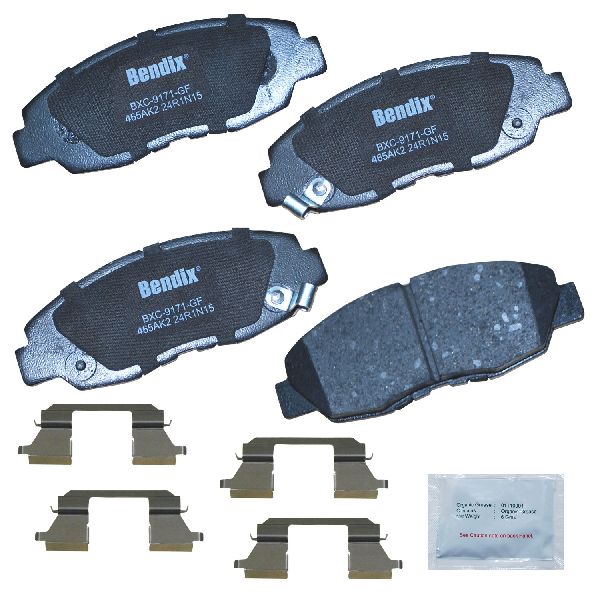
- Quality Aftermarket: These brands are trusted by mechanics and DIYers for their solid performance and value. Bosch, Centric, and Wagner are popular choices that often come with necessary hardware for a complete job. Raybestos is another well-regarded brand in this tier. These are excellent all-around choices for daily driving.
- Performance-Focused: If you want more aggressive stopping power, brands like Hawk Performance and EBC Brakes offer pads designed for that purpose. Be aware that performance pads may produce more dust and noise and can wear faster than standard ceramic pads. They are generally not necessary for a daily-driven Insight.
- Economy: Brands in this category offer the lowest price point. While functional, they may not last as long, can be noisier, and might produce more brake dust than premium options.
A Note on Hybrid Brake Pads
Because regenerative braking reduces how often the physical brakes are used, rust can sometimes build up on the rotors and pads from lack of use, especially in wet climates. Some manufacturers are developing pads specifically for EVs and hybrids. However, for the Insight, choosing a quality ceramic pad and ensuring the caliper slide pins are well-lubricated during installation is the best defense against issues.
How Much Does a Brake Pad Replacement Cost for a 2010-2014 Insight?
The cost can vary based on the parts you choose and who does the work. A front brake pad replacement is a common DIY job for those with basic tools.
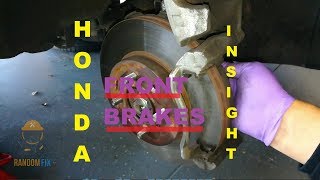
🎬 Follow this step-by-step guide to replace your Insight's front brakes.| Part/Service | Estimated Cost |
|---|---|
| New Aftermarket Brake Pad Set (Front) | $27 - $220 |
| New OEM Brake Pad Set (Front) | $65 - $95 |
| Shop Labor | $95 - $150 |
| Total Professional Installation (Aftermarket) | $122 - $370 |
Frequently Asked Questions
Do I need special brake pads for a hybrid car?
Not necessarily. While some brands are starting to market "hybrid-specific" pads, a high-quality ceramic brake pad from a reputable brand like Akebono, Bosch, or Centric will perform excellently on your Insight. The key is to ensure they are installed correctly with proper lubrication to prevent issues from infrequent use.
Should I replace the brake rotors at the same time as the pads?
It is highly recommended. If your old pads caused any grooves or warping on the rotors, installing new pads on an uneven surface will cause noise, vibration, and premature wear. Replacing pads and rotors together ensures the best possible braking performance and longevity.
How often do brake pads need to be replaced on a Honda Insight?
Thanks to regenerative braking, the pads on an Insight can last much longer than on a conventional car, with some owners reporting over 100,000 miles on the original pads. However, this depends heavily on your driving style and conditions. A typical non-hybrid might need pads every 30,000 to 50,000 miles. It's best to have them inspected annually.
What is the difference between ceramic and semi-metallic pads?
Ceramic pads are the most common choice for daily drivers like the Insight. They are known for being quiet, producing very little dust, and offering a long life. Semi-metallic pads can offer better performance in extreme heat but are often noisier and create more dust. For the Insight, ceramic pads are the recommended choice.
Helpful Videos


Technical Specifications
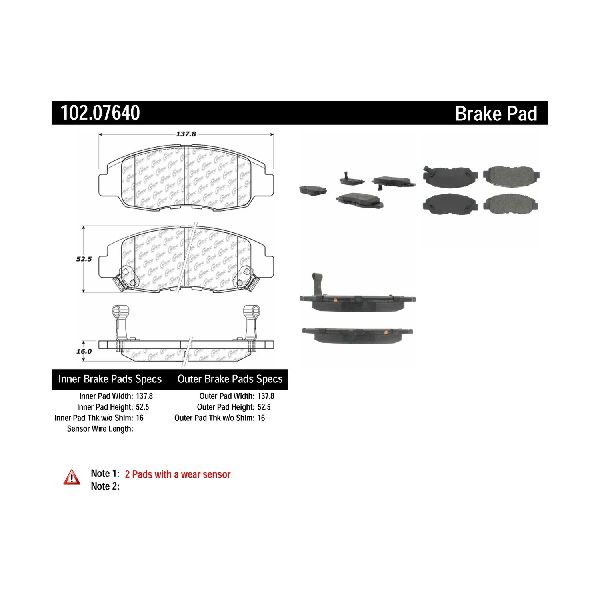
OEM Part Numbers: 45022-SNE-A51 45022-SNE-A00
The 2010-2014 Honda Insight uses front disc brakes and rear drum brakes. The front brake pads are typically made of ceramic material from the factory. The brake system works in conjunction with a Vehicle Stability Assist (VSA) and a regenerative braking system.
We Have This Part in Stock
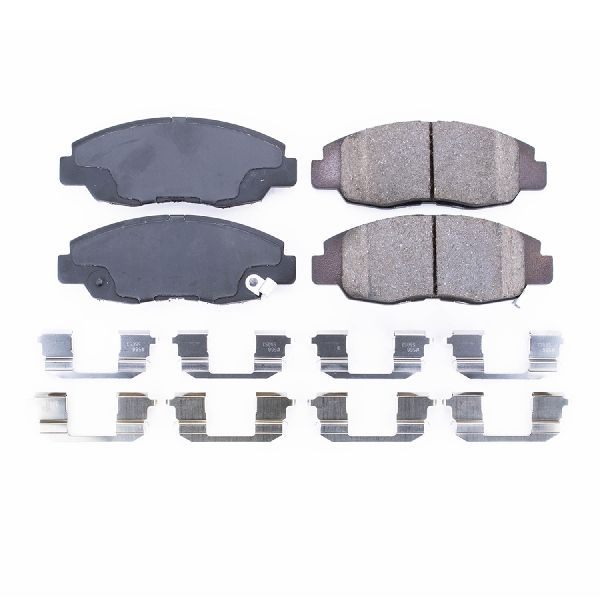
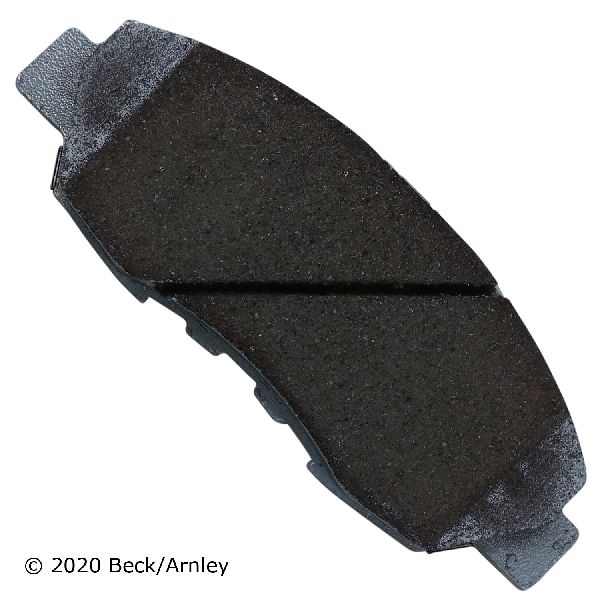
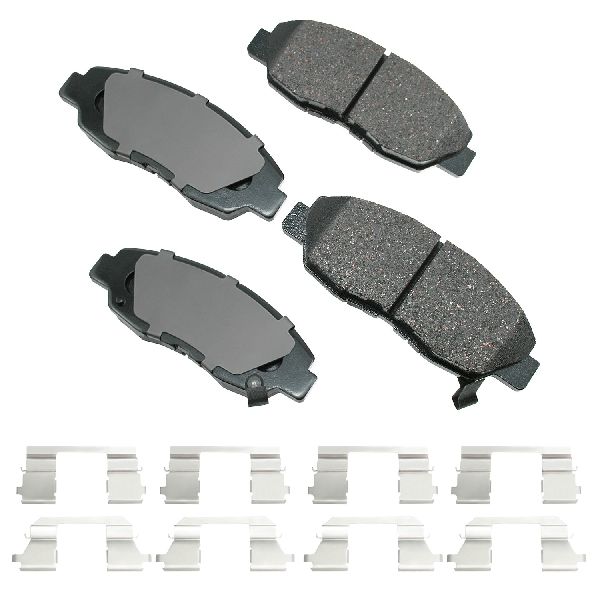
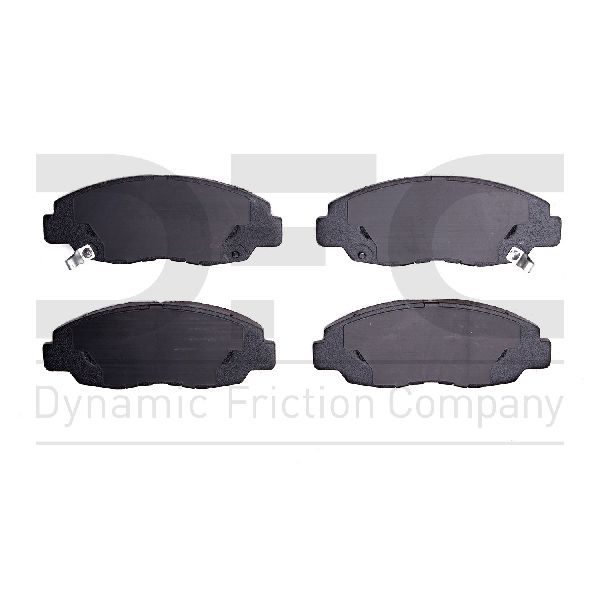

The information in this article is provided for general reference and educational purposes only. Vehicle specifications, procedures, and part compatibility can vary by production date, trim level, and region. Always consult your vehicle's factory service manual and verify part numbers before purchasing or performing repairs. Safety-critical components such as airbags, seat belts, and braking systems should be installed by a qualified professional.
- Honda Insight:
- 🎬 Helpful Videos
- 🛍️ Shop This Part
- A Note on Vehicle Years
- Signs Your Insight's Brake Pads Need Replacing
- Known Issue: Spongy Brake Pedal
- Choosing the Right Aftermarket Brake Pads
- Brand Tiers for Your Honda Insight
- A Note on Hybrid Brake Pads
- How Much Does a Brake Pad Replacement Cost for a 2010-2014 Insight?
- Frequently Asked Questions
- 🎟️ Get 5% Off