

A Guide to Oxygen Sensor Replacement for the 2008-2015 Kia Optima
Learn to identify a failing O2 sensor and choose the right aftermarket part for your Optima to restore performance and fuel economy.
- A Check Engine Light, poor gas mileage, and rough idle are key signs of a failing O2 sensor in your Optima.
- For best results, choose a direct-fit sensor from a reputable brand like Bosch, Denso, or NGK.
- Most 4-cylinder Optimas have two sensors (upstream and downstream); you only need to replace the one that has failed.
- Replacing an O2 sensor is a manageable DIY job with a special O2 sensor socket, which can save you on labor costs.
Is Your Kia Optima's Oxygen Sensor Failing?

A bad oxygen sensor can cause noticeable problems with your car's performance. Because it plays a key role in managing the engine's air-fuel mixture, a faulty sensor can lead to decreased fuel efficiency, a rough idle, and even damage to other expensive components like the catalytic converter. Ignoring the signs can cost you more in fuel and lead to more serious repairs down the road.
Common Symptoms of a Bad O2 Sensor
- Check Engine Light: This is often the first and most common sign. A scanner will typically show codes related to the O2 sensor heater circuit, performance, or response.
- Poor Fuel Economy: If the sensor provides incorrect data, the engine computer may supply too much fuel, causing you to visit the gas station more often.
- Rough Idle and Misfires: An imbalanced air-fuel ratio can make your engine run poorly, especially when stopped.
- Failed Emissions Test: A bad O2 sensor can lead to increased harmful emissions, causing your Optima to fail state-mandated inspections.
- Rotten Egg Smell: In some cases, an overly rich fuel mixture can overwhelm the catalytic converter, producing a sulfur-like smell from the exhaust.
Choosing the Right Aftermarket Oxygen Sensor

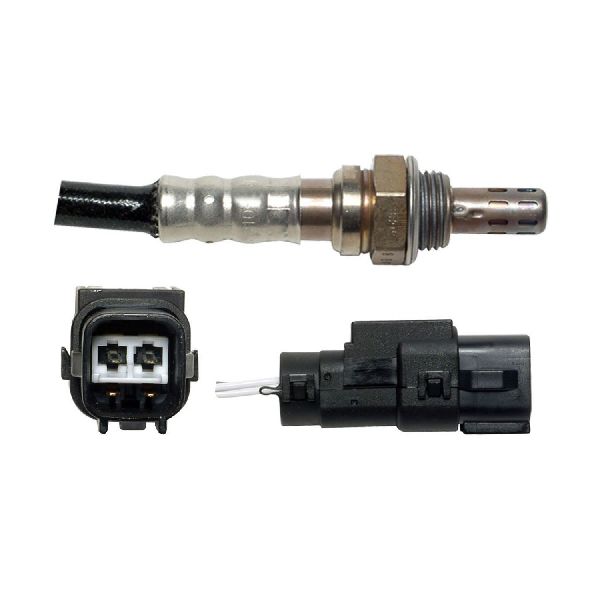
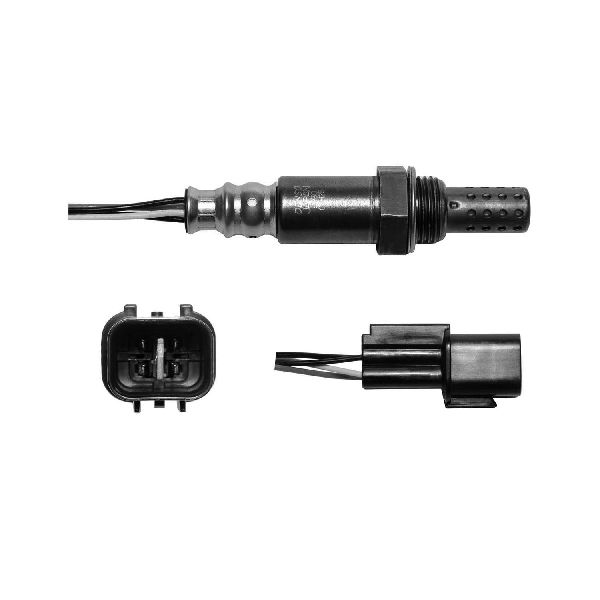
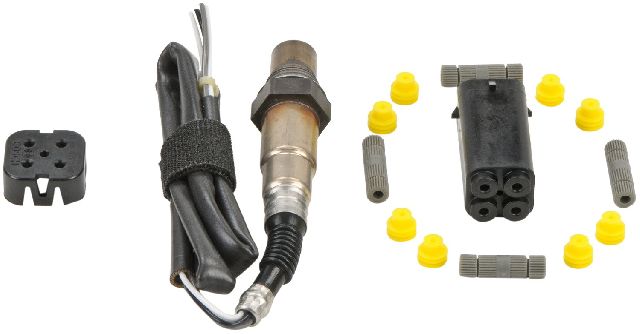
When shopping for a replacement, you'll see several brands and types. For your 2008-2015 Kia Optima, it's important to choose a "direct-fit" sensor. These are designed to match the original part's specifications, including the electrical connector and wire length, making installation much easier than a "universal" sensor that requires splicing wires.
Not all aftermarket brands are created equal. They can be grouped into tiers based on quality and reputation:
- Premium Brands (Bosch, Denso, NGK/NTK): These companies are often the original equipment manufacturers (OEM) for Kia and other automakers. Choosing one of these brands is the closest you can get to an original dealer part, ensuring excellent fit, performance, and longevity. Bosch, for example, invented the modern O2 sensor.
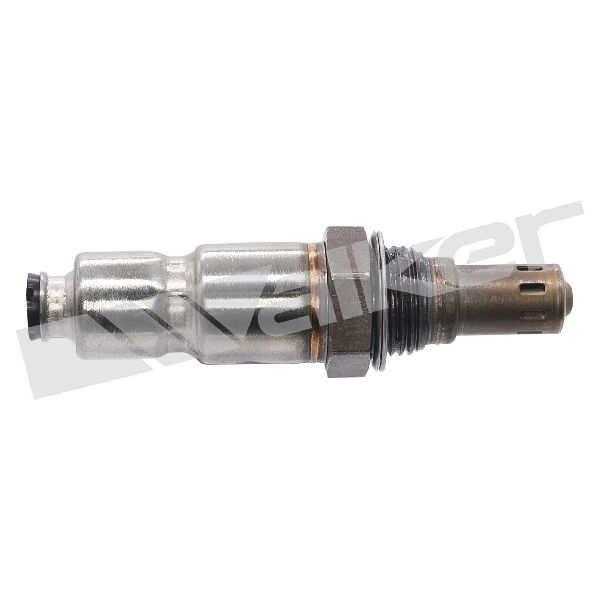
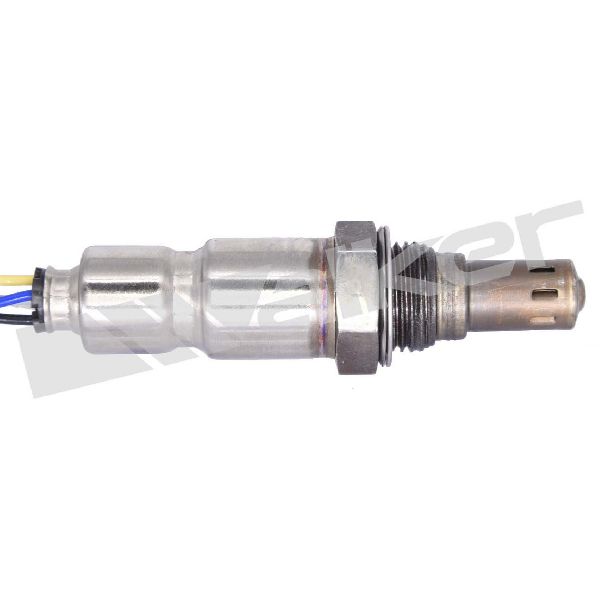
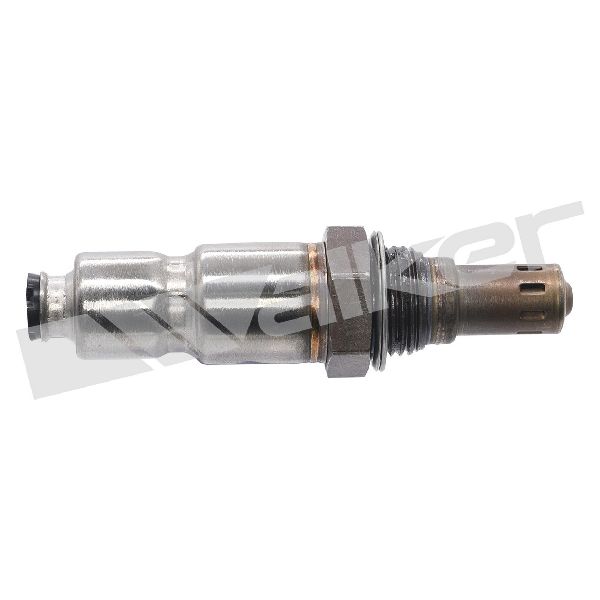
- Quality Aftermarket (Delphi, Spectra, Walker Products): These brands offer a solid balance of quality and value. They are well-regarded in the aftermarket and produce reliable sensors that meet or exceed OEM specifications, often at a lower price than premium brands.
- Economy Brands (DriveWire, various private labels): These are the most budget-friendly options. While they can get the job done, their long-term durability and the precision of their readings may not match those of the higher-tiered brands. They can be a good choice for an older vehicle or if budget is the primary concern.
Upstream vs. Downstream
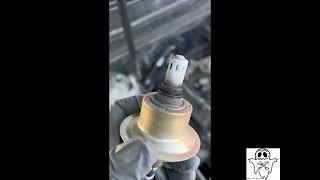
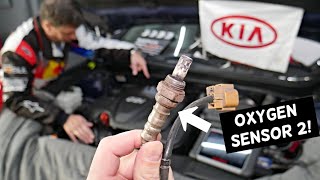
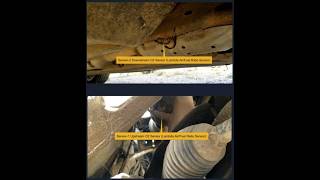
Your Optima has at least two O2 sensors. The upstream sensor (Sensor 1) is located on the exhaust manifold before the catalytic converter and is crucial for fuel control. The downstream sensor (Sensor 2) is located after the catalytic converter and monitors its efficiency. Diagnostic codes will tell you which sensor has failed. 🎬 Watch: Locate your upstream and downstream sensors here. It is acceptable to replace only the failed sensor.
Cost of Replacing a Kia Optima Oxygen Sensor
The cost can vary significantly based on the brand you choose and whether you do the work yourself. The job is considered DIY-friendly for those with basic tools.
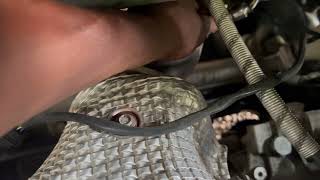
🎬 See this step-by-step 2015 Optima sensor replacement guide.| Item | Estimated Cost |
|---|---|
| New Aftermarket Oxygen Sensor | $25 - $218 |
| Shop Labor | $66 - $96 |
| Total Professional Replacement | $91 - $314 (Aftermarket Part + Labor) |
| New OEM Oxygen Sensor (Part Only) | $136 - $334 |
Frequently Asked Questions


How many oxygen sensors does my 2008-2015 Kia Optima have?
Most 4-cylinder Kia Optimas from this generation have two oxygen sensors: one upstream (before the catalytic converter) and one downstream (after the catalytic converter). V6 models, which were less common, would have four sensors.
Do I need a special tool to replace an O2 sensor?
Yes, it is highly recommended. A special O2 sensor socket, which has a slot for the wire to pass through, makes the job much easier and prevents damage to the new sensor's wiring. 🎬 Watch: How to remove and replace the downstream sensor. You can often rent this tool from an auto parts store.
Can I clean my oxygen sensor instead of replacing it?
While some attempt to clean O2 sensors, it is generally not recommended. The sensor's delicate internal components can be damaged by cleaning agents, and contamination from oil or coolant often causes irreversible failure. Replacement is the only reliable solution.
Should I replace both sensors at the same time?
It is not necessary to replace both if only one has failed. However, since they are exposed to the same conditions, if one fails due to age or high mileage (typically over 60,000-100,000 miles), the other may not be far behind. Replacing them in pairs is a preventative measure but not required.
Are there any recalls for the oxygen sensor on my Optima?
Searches of NHTSA data did not show any specific recalls for the oxygen sensor itself. However, several fire-risk recalls exist for the 2011-2015 Optima related to issues like leaking brake fluid in the ABS module or fuel tube deterioration, which owners should be aware of and have addressed.
Helpful Videos
Technical Specifications
OEM Part Numbers: 39210-2G560 39210-2G550 39210-2G200 39210-2G100
Most 2008-2015 Kia Optima models use a 4 or 5-wire heated oxygen sensor with a thread size of M18x1.5. Always verify the specific part number for your vehicle's engine (2.4L or 2.0L Turbo) and build location (US or Korea) as connectors and wire lengths can vary.
We Have This Part in Stock

The information in this article is provided for general reference and educational purposes only. Vehicle specifications, procedures, and part compatibility can vary by production date, trim level, and region. Always consult your vehicle's factory service manual and verify part numbers before purchasing or performing repairs. Safety-critical components such as airbags, seat belts, and braking systems should be installed by a qualified professional.
- Kia Optima: