

Land Rover LR2 Fuel Pressure Sensor Guide for 2008-2015 Models
Address stalling, hard starts, and Check Engine Lights by understanding and replacing your LR2's fuel pressure sensor.
- A failing fuel pressure sensor can cause serious drivability issues like stalling and hard starts.
- Common fault codes are P0087 and P0191.
- Replacement is a manageable DIY task, located on the driver's side of the fuel rail.
- Using a quality aftermarket or OEM part is recommended to ensure reliability and avoid repeat failures.
Is a Failing Fuel Pressure Sensor Causing Your LR2 Problems?

A faulty fuel pressure sensor on a 2008-2015 Land Rover LR2 can cause a range of frustrating issues, from a simple Check Engine Light to the engine stalling in traffic. Because the sensor's readings directly impact how much fuel the engine receives, a bad sensor can make the vehicle run poorly or not at all. Normal fuel pressure for the LR2 should be around 55 PSI, but it can spike to over 60 PSI during a cold start. If the sensor provides incorrect readings, or no reading at all, the engine's computer can't properly manage the fuel supply.
Known Issues & Recalls
While there are no specific recalls for the fuel pressure sensor itself on the 2008-2015 LR2, Land Rover has issued recalls and Technical Service Bulletins (TSBs) for related fuel system components. For example, recall N623 (NHTSA ID: 21V-635) was issued for some 2010-2016 Land Rover models due to a cracking fuel tank outlet flange that could cause fuel leaks. There are also TSBs related to inaccurate fuel gauge readings (LTB00566NAS4) and warnings against using non-approved fuel system cleaners (SSM56457), which could potentially affect sensor performance.
Choosing the Right Aftermarket Fuel Pressure Sensor

When replacing the fuel pressure sensor, you have a choice between Original Equipment (OEM) and various aftermarket brands. For a critical component like this, using a quality part is important to avoid future problems. Some owners and mechanics report that using the exact right part number is critical for these engines, as incorrect sensors can cause persistent issues.
- Premium Aftermarket (e.g., Standard Ignition, Vemo): Brands like Standard Ignition are well-known in the aftermarket industry. Vemo is often considered an OEM-quality equivalent for many European vehicles. These brands aim to meet or exceed original specifications and are a reliable choice for this repair.
- Economy Brands (e.g., Global Parts, Replacement): These brands offer a more budget-friendly option. While they are designed to be a direct fit, their long-term durability and the precision of their electronics may not match that of premium brands or the original part. For a sensor that is critical to engine function and can be labor-intensive to access, investing in a higher-quality part is often recommended.
Cost of Replacing the LR2 Fuel Pressure Sensor
The cost to replace the fuel pressure sensor can vary significantly based on the part brand you choose and labor rates in your area. The part itself is relatively inexpensive, but accessing it can sometimes be tricky, increasing labor time.
| Item | Estimated Cost |
|---|---|
| New OEM Part | $160 - $185 |
| New Aftermarket Part | $45 - $375 |
| Shop Labor | $95 - $150 |
| Total Estimated Cost (Aftermarket) | $140 - $525 |
Frequently Asked Questions

Where is the fuel pressure sensor located on the LR2?
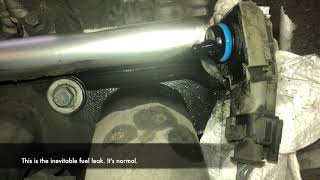
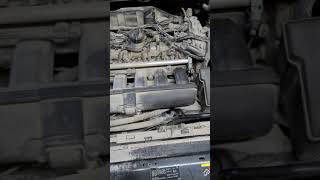
The fuel pressure sensor is located on the driver's side of the fuel rail for the 3.2L I6 engine. The fuel rail is the metal pipe that supplies fuel to the injectors. The sensor is bolted into the end of this rail.
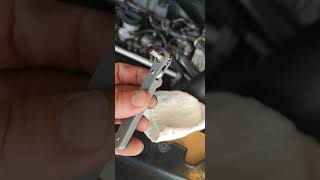
🎬 Watch a clear demonstration of the sensor location and removal.Can I replace the fuel pressure sensor myself?
Yes, this is a feasible DIY job for someone with basic mechanical skills. 🎬 Watch this step-by-step guide to replacing the sensor yourself. The main steps involve disconnecting the battery, releasing fuel pressure from the system, and then accessing the sensor on the fuel rail. Clearance can be tight, and you will need a T25 Torx bit to remove the bolt holding the sensor. It is crucial to let any spilled fuel evaporate completely before reconnecting the battery to prevent sparks.
What are the common fault codes for a bad fuel pressure sensor?
Common diagnostic trouble codes (DTCs) include P0087 (Fuel Rail/System Pressure - Too Low), P0088 (Fuel Rail/System Pressure - Too High), and P0191 (Fuel Rail Pressure Sensor Circuit Range/Performance). You may also see codes P0190, P0192, P0193, or P0194.
🎬 See how to fix a P0193 code in under 30 minutes.Do I need to replace the whole fuel rail?
No, in most cases, you only need to replace the sensor itself. The sensor is a separate component that bolts onto the fuel rail. While some sources may list the sensor as part of the rail, it is serviceable on its own.
What happens if I ignore a failing fuel pressure sensor?
Ignoring the symptoms can lead to more significant problems. The engine may stall unexpectedly, which is a serious safety risk in traffic. Persistently incorrect fuel mixtures can also lead to reduced fuel economy, poor performance, and potentially damage other engine components over time.
Helpful Videos

Technical Specifications
OEM Part Numbers: LR015294 LR005490 LR024969
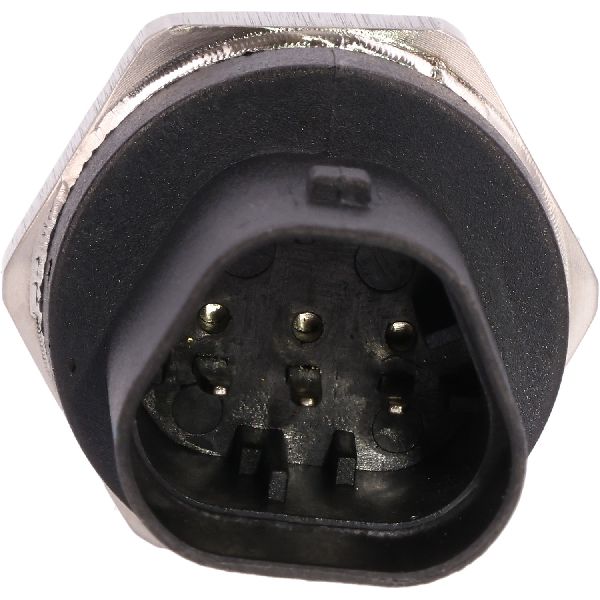
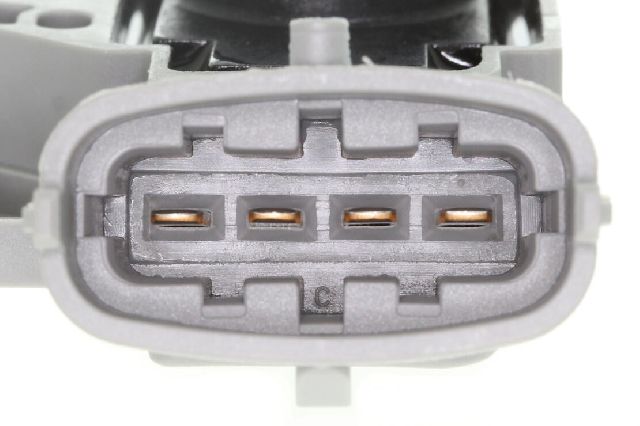
The fuel pressure sensor for the Land Rover LR2 is located on the fuel rail and secured with a T25 Torx bolt. It monitors fuel pressure, which should operate around 55 PSI under normal conditions. It uses a 3-pin electrical connector.
We Have This Part in Stock


The information in this article is provided for general reference and educational purposes only. Vehicle specifications, procedures, and part compatibility can vary by production date, trim level, and region. Always consult your vehicle's factory service manual and verify part numbers before purchasing or performing repairs. Safety-critical components such as airbags, seat belts, and braking systems should be installed by a qualified professional.
- Land Rover LR2: