

Volvo XC90 Engine Coolant Temperature Sensor: A Guide for 2008-2015 Models
Is a faulty engine coolant temperature sensor causing your XC90 to run poorly? Here’s what you need to know before you buy a replacement.
- A faulty ECT sensor commonly causes a Check Engine Light with code P0116, poor fuel economy, and potential overheating.
- For the 3.2L engine, replacing the sensor is more difficult as it requires removing the intake manifold.
- Using a Genuine Volvo or a reputable OE-supplier brand like Beck Arnley or Standard Ignition is strongly recommended over budget brands to ensure accurate readings.
- Confirm your engine type (3.2L or V8) before purchasing, as they use different part numbers (30750926 for 3.2L, 30646713 for V8).
Understanding the Engine Coolant Temperature Sensor in Your XC90
A faulty Engine Coolant Temperature (ECT) sensor can be the source of many frustrating problems in the 2008-2015 Volvo XC90. Because the sensor's reading affects so many other systems, a bad sensor can make the engine run rich, causing poor fuel economy and black smoke, or it can prevent the cooling fans from turning on, leading to overheating. When this sensor fails, it often sends incorrect data to the engine computer rather than no data at all. This can trick the computer into making the wrong adjustments for the engine's actual operating condition.
Common Symptoms of a Failing ECT Sensor
If your XC90's ECT sensor is failing, you might notice one or more of the following issues:
- Check Engine Light: This is often the first sign. A diagnostic scan will typically reveal a fault code like P0116, which points to a problem with the ECT sensor's circuit or performance.
- Poor Fuel Economy: If the sensor incorrectly tells the computer the engine is cold, the computer will enrich the fuel mixture, wasting gas.
- Black Smoke from Exhaust: A very rich fuel mixture can result in unburned fuel exiting through the exhaust, which looks like black smoke.
- Engine Overheating: If the sensor fails to report that the engine is getting hot, the cooling fans may not turn on when needed.
- Rough Idle or Stalling: An incorrect fuel mixture can cause the engine to idle poorly or even stall.
- Hard Starting: The computer relies on the ECT sensor for adjusting the fuel mixture during startup, especially when cold.
A Note on Recalls and TSBs
While searches for recalls and Technical Service Bulletins (TSBs) were conducted, no specific actions related to the Engine Coolant Temperature Sensor for the 2008-2015 XC90 models were found. A recall (R29936) was issued for a coolant *hose* on 2016 models, but this does not apply to the sensor in the specified year range. Always check for the latest information using your vehicle's VIN on the NHTSA website.
Choosing the Right Aftermarket Part: Brand Quality Matters
When it comes to electronic sensors on a Volvo, not all aftermarket parts are created equal. While the price of a budget sensor can be tempting, forum discussions among Volvo owners often caution against it for critical components like the ECT sensor. A cheap sensor may use a thermistor with a different resistance curve than the original, leading to inaccurate temperature readings even when it's brand new. This can cause persistent running issues that are difficult to diagnose.
Here is a general breakdown of the available brands based on reputation:
- Premium Aftermarket / OE Suppliers (Recommended): Brands like Beck Arnley and Standard Ignition (SMP) (non-"T-Series" parts) have a reputation for quality. Beck Arnley often functions as a repackager, sourcing parts from the original equipment manufacturers. SMP is a long-standing company, but it's best to stick to their standard line (often in a red box) rather than their economy "T-Series." Some Volvo owners suggest that VDO is an original equipment manufacturer for Volvo sensors, so a VDO-branded part can be a good alternative to the dealer part.
- Standard Aftermarket: Brands like Facet, Vemo, and Walker Products fall into this category. Experiences can be mixed. One Volvo owner reported significant cold-start problems with a new FAE (a brand related to Facet) sensor that were resolved by switching to a Bosch part. Another reported an FAE sensor reading consistently high. While these brands may offer a functional replacement, the risk of inconsistent quality or inaccurate readings is higher than with premium brands.
- Economy/Value Brands: This includes brands like Global Parts. While the price is low, the quality and accuracy can be a gamble. For a sensor this critical to engine operation, saving a few dollars here could lead to more expensive problems or frustrating diagnostic work later.
Pro Tip: Many experienced Volvo mechanics and owners recommend replacing the thermostat at the same time as the ECT sensor, especially on higher-mileage vehicles. Since the sensor is often located in the thermostat housing, the labor overlaps, making it a smart preventative measure.
Cost of Replacing the Engine Coolant Temperature Sensor
The cost can vary significantly based on who does the work and the parts you choose.
| Part Type | Estimated Cost |
|---|---|
| New OEM (Dealer) | $35 - $80 |
| New Aftermarket | $21 - $79 |
| Shop Labor | $150 - $250+ |
Note: Labor costs can be higher for the 3.2L engine due to the need to remove the intake manifold for access. Prices are estimates and do not include taxes, fees, or the cost of new coolant.
Frequently Asked Questions (FAQ)
Where is the ECT sensor located on my 2008-2015 XC90?
For XC90 models with the 3.2L I6 engine, the sensor is located in the plastic thermostat housing, which is situated under the intake manifold. For models with the 4.4L V8 engine, the sensor is also typically in a coolant passage near the thermostat housing. Following the upper radiator hose to where it connects to the engine will lead you to the thermostat housing.
Is this a difficult part to replace myself?
For the 4.4L V8, the job is generally considered manageable for a DIYer with basic tools, as access is more direct. For the 3.2L I6, the replacement is more involved because the intake manifold must be removed to access the thermostat housing where the sensor is located. This increases the difficulty and time required, making it a moderate-level DIY task. You will also need to partially drain and then refill the coolant.
Do I need to buy an OEM sensor?
While not strictly necessary, it is highly recommended. For critical electronic sensors, using a Genuine Volvo part or a part from a known Original Equipment (OE) supplier provides the best guarantee of correct fit and, more importantly, accurate temperature readings. Aftermarket sensors, particularly from budget brands, have been known to cause persistent running issues due to incorrect calibration.
What are the OEM part numbers for the ECT sensor?
For the 3.2L engine, the most common OEM part number is 30750926. For the 4.4L V8 engine, the OEM part number is typically 30646713. Always confirm the part number with your vehicle's VIN before ordering.
Helpful Videos
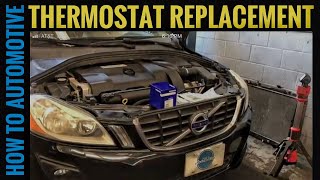

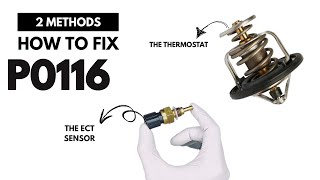
Technical Specifications
OEM Part Numbers: 30750926 30646713
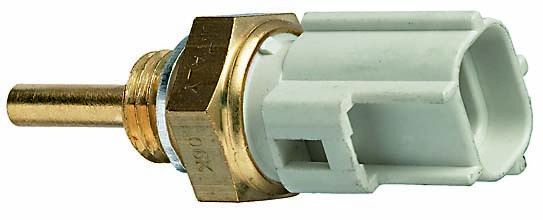
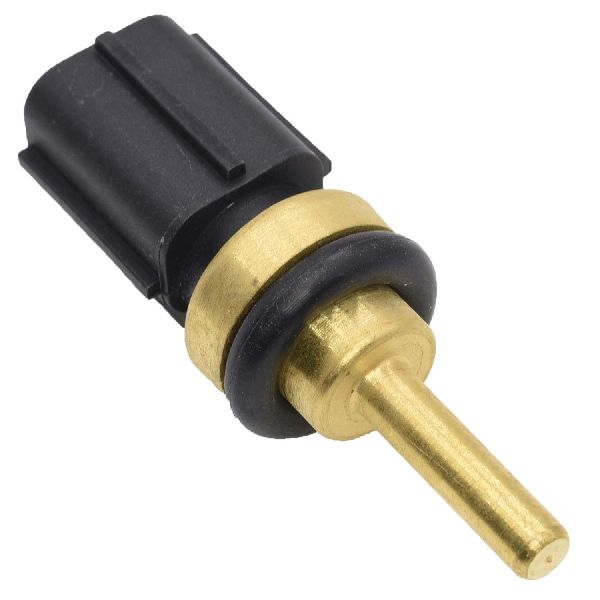
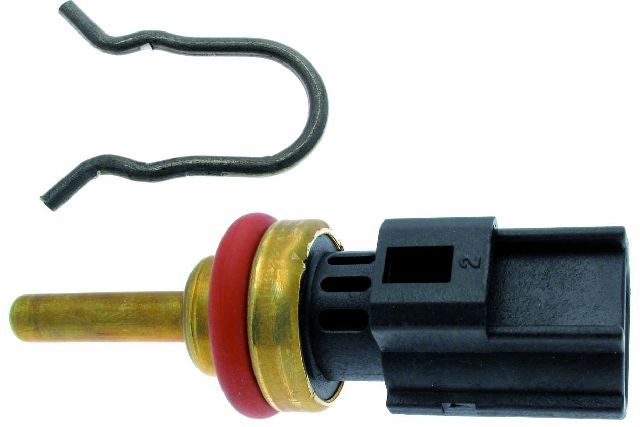
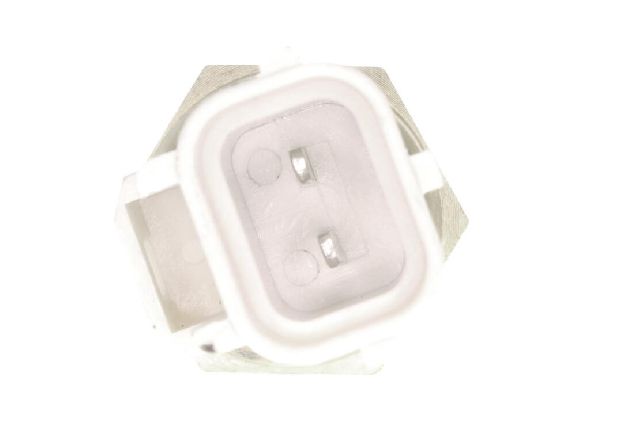
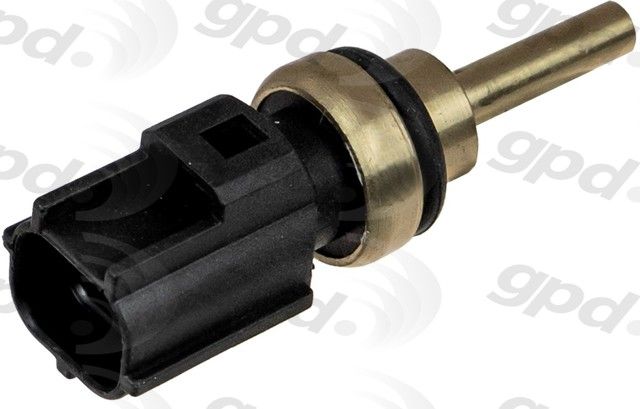
Typically a 2-pin thermistor sensor that includes a new O-ring and retaining clip. The sensor for the 3.2L engine is located in the thermostat housing under the intake manifold.
We Have This Part in Stock


The information in this article is provided for general reference and educational purposes only. Vehicle specifications, procedures, and part compatibility can vary by production date, trim level, and region. Always consult your vehicle's factory service manual and verify part numbers before purchasing or performing repairs. Safety-critical components such as airbags, seat belts, and braking systems should be installed by a qualified professional.
- Volvo XC90:
- 🎬 Helpful Videos
- 🛍️ Shop This Part
- Understanding the Engine Coolant Temperature Sensor in Your XC90
- Common Symptoms of a Failing ECT Sensor
- A Note on Recalls and TSBs
- Choosing the Right Aftermarket Part: Brand Quality Matters
- Cost of Replacing the Engine Coolant Temperature Sensor
- Frequently Asked Questions (FAQ)
- 🎟️ Get 5% Off