

Understanding the Engine Oil Level Sensor for the 2008-2016 Audi A4 Quattro
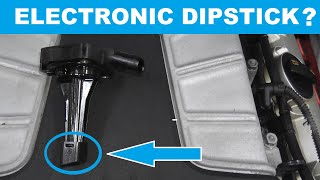
Your B8 Audi A4 has no dipstick, making this electronic sensor the only way to check your engine's oil level.
- Your 2008-2016 A4 Quattro has no dipstick; this electronic sensor is the only way to check oil.
- A faulty sensor will give false low or high oil warnings on the MMI screen.
- Replacement is best done during an oil change, as the sensor is on the bottom of the oil pan and requires draining the oil.
- Consider OEM-quality brands like Hella for reliability, as this is a critical monitoring component.
Why is the Oil Level Sensor So Important on a B8 Audi A4?

For Audi A4 Quattro models made between 2008 and 2016 (the B8 generation), the engine oil level sensor is not just a convenience—it's a necessity. These vehicles left the factory without a physical dipstick, a decision that makes owners completely reliant on the electronic sensor for oil level information. Given that some of the 2.0T engines used in these cars can be prone to oil consumption, having a functional and accurate sensor is crucial for engine health. A faulty sensor leaves you blind to your oil level, which is a significant risk.
Symptoms of a Failing Oil Level Sensor

When the oil level sensor starts to fail, it can cause confusing and frustrating warnings. The most common sign is an incorrect oil level warning on your dashboard's MMI screen. You might see a "MIN" oil warning or a message to add oil, even after you've confirmed the level is correct. Conversely, it can also show a full reading when the oil is actually low. Other signs include:
- Yellow Oil Can Light: A persistent or intermittent yellow oil warning light on the instrument cluster.
- "Sensor Defective" Message: The MMI may display a message explicitly stating the oil level sensor is faulty.
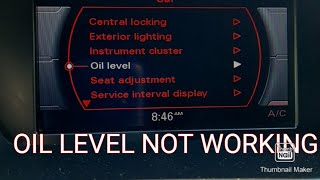
- Inability to Get a Reading: The system may be "unavailable" or fail to produce a reading, sometimes getting stuck while trying to measure. 🎬 See what happens when the oil level isn't reading correctly.
A faulty hood latch sensor can sometimes mimic the symptoms of a bad oil level sensor. The system requires the car to register that the hood has been opened and closed to re-check the oil level after a top-off. If the hood sensor is broken, the oil level warning may not reset even if you've added oil or replaced the sensor itself.
Choosing the Right Aftermarket Part

When replacing your oil level sensor, you have several aftermarket options. Quality is important, as a cheap, unreliable sensor can fail quickly and put you right back where you started. Here’s a breakdown of common brands:
- OEM-Quality (Tier 1): Hella is a well-regarded brand that is often the Original Equipment Manufacturer (OEM) for Audi. Choosing a Hella sensor is the closest you can get to buying the part from a dealership, often at a better price.
- Reputable Aftermarket (Tier 2): Brands like Vemo and Standard Ignition (SMP) offer a good balance of quality and cost. They are known for producing reliable electronic components for European vehicles.
- Budget-Friendly (Tier 3): URO Parts and other lower-cost brands can be a hit-or-miss option. While the price is attractive, their electronic components sometimes have a reputation for questionable longevity. For a critical part like this, saving a few dollars now might lead to more headaches later.
Cost of Replacing the Engine Oil Level Sensor
| Item | Estimated Cost |
|---|---|
| New Aftermarket Sensor | $61 - $327 |
| New OEM Sensor | $164 - $236 |
| Shop Labor | $95 - $180 |
| Total Professional Replacement | $156 - $507 |
Known Issues and Technical Service Bulletins (TSBs)

Audi has issued TSBs related to the oil level sensor for this generation of A4. TSB #2038119 addresses a situation where the "Oil minimum warning" appears even though the oil level is correct. The bulletin confirms that a defective oil level sensor is the likely cause and provides instructions for replacement and adaptation using dealership tools. It also notes that if the oil is found to be overfilled, the sensor should not be replaced. This highlights the importance of ensuring the correct oil level before assuming the sensor is bad.
Frequently Asked Questions (FAQ)
Can I drive with a bad oil level sensor?
Yes, but it is not recommended for long. A faulty sensor means you cannot monitor your engine's oil level. If your engine consumes oil, you risk running it low, which can lead to severe and expensive engine damage.
Why does my car say the oil is low when I know it's full?
This is the most common symptom of a failing sensor. The sensor is providing an incorrect reading to the car's computer. It could also be related to a faulty hood latch sensor, which prevents the system from re-checking the level.
Is replacing the oil level sensor a DIY job?
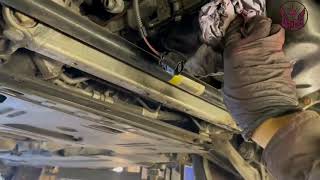
Yes, for those comfortable with performing an oil change. The sensor is located on the bottom of the oil pan and is held in by three bolts. The job requires draining the engine oil to access and replace the sensor. Therefore, the best time to replace it is during a scheduled oil change.
Is there a recall for the oil level sensor on the 2008-2016 Audi A4 Quattro?
No, there are no specific recalls issued by the NHTSA for the engine oil level sensor on this vehicle. However, there are Technical Service Bulletins (TSBs) that address known issues with the sensor's performance.
Can I add a manual dipstick to my Audi A4?
Yes, aftermarket dipstick kits are available. The engine still has a dipstick tube, which is sealed with a plug from the factory. Many owners choose to buy an aftermarket dipstick to have a reliable, manual way to verify the oil level.
Helpful Videos

Technical Specifications
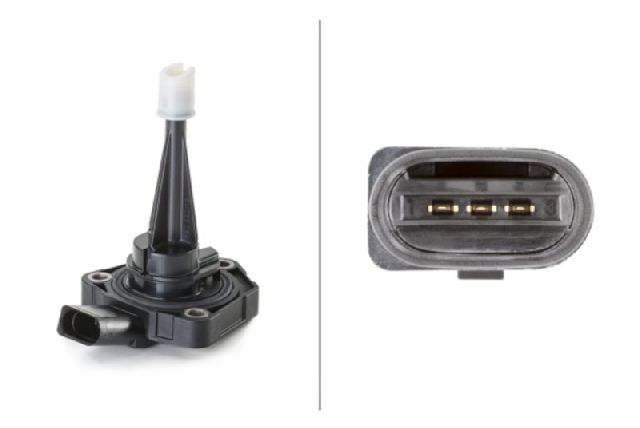
OEM Part Numbers: 03C907660H 03C907660S 03L907660
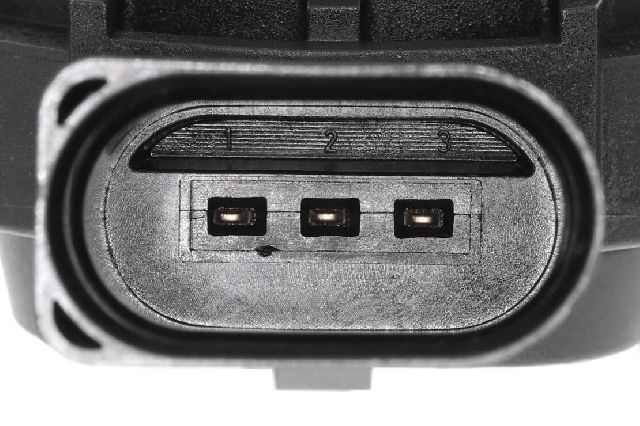
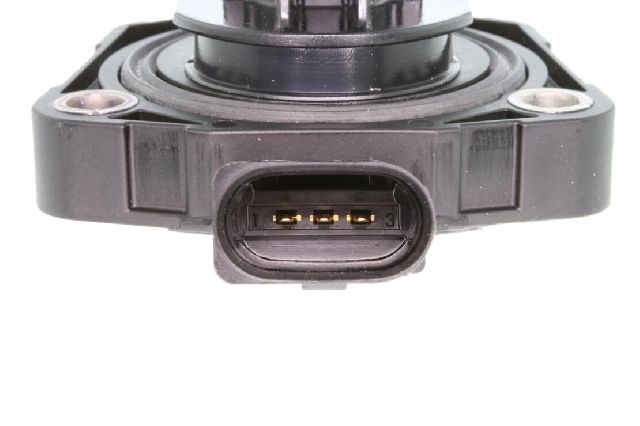
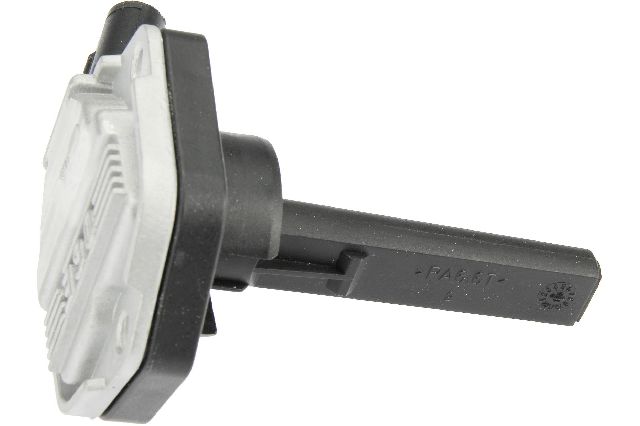
3-pin connector, mounts to the bottom of the engine oil pan with three bolts. The sensor also measures oil temperature.
We Have This Part in Stock


The information in this article is provided for general reference and educational purposes only. Vehicle specifications, procedures, and part compatibility can vary by production date, trim level, and region. Always consult your vehicle's factory service manual and verify part numbers before purchasing or performing repairs. Safety-critical components such as airbags, seat belts, and braking systems should be installed by a qualified professional.
- Audi A4 Quattro: