

Audi A5 (2008-2016) Direct Injection High Pressure Fuel Pump Guide
Experiencing engine hesitation or a P0087 code? Your A5's high pressure fuel pump might be the culprit.
- If you smell fuel in your engine oil, stop driving immediately to prevent catastrophic engine damage.
- A P0087 code is the most common symptom, but a proper diagnosis is needed to rule out the low-pressure fuel pump.
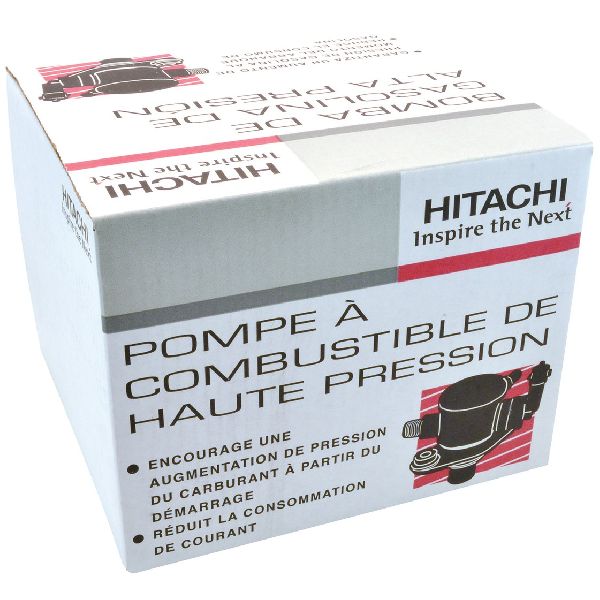
- Hitachi is an OEM supplier for this part, making it a top-tier, reliable aftermarket choice.
- Unlike older Audi engines, the cam follower on the 2008-2016 A5 is very durable and rarely needs replacement with the pump.
Symptoms of a Failing High Pressure Fuel Pump

A failing HPFP in your Audi A5 will cause noticeable performance problems. You should not continue to drive the vehicle if you suspect the HPFP is failing, as it can cause the engine to stall in traffic. Here are the most common signs of failure:
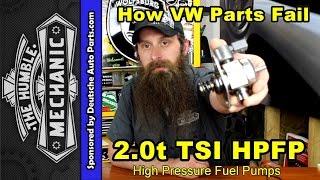
🎬 Watch: Experts explain the top 5 signs of HPFP failure.- Loss of Power: The car may feel sluggish, especially during hard acceleration or when driving uphill.
- Engine Stalling: The engine might shut off unexpectedly, either while idling or driving. This is a serious safety hazard.
- Hard Starting: The engine may take longer than usual to start because the fuel system isn't reaching the required pressure.
- Rough Idle: The engine may shake or run unevenly when the car is stopped.
- Check Engine Light: A failing pump will almost always trigger a check engine light. The most common trouble code is P0087 (Fuel Rail/System Pressure Too Low). You might also see codes like P2293 or P0148.
Critical Warning: Fuel Smell in Oil
A severe failure mode for the HPFP is when its internal seals break down, allowing gasoline to leak into the engine crankcase. If you check your oil dipstick and the oil smells strongly of gasoline, stop driving immediately. This fuel dilution destroys the oil's ability to lubricate, which can lead to catastrophic engine damage.
🎬 See how these pumps fail internally and cause engine damage.Choosing the Right Aftermarket HPFP

When replacing the HPFP on your A5, you have a choice between OEM and several aftermarket brands. For a part this critical, quality is key.
- Top Tier (OEM Supplier): Brands like Hitachi are often the original equipment manufacturer for Audi. Choosing a Hitachi pump is like getting the genuine dealer part without the dealership markup. It is built to the exact original specifications for fit and performance.
- Quality Aftermarket: Brands like Delphi, Hella, and Standard Ignition are well-known aftermarket manufacturers with a reputation for producing reliable parts. They are a solid choice for a balance of quality and price.
- Re-boxers: A brand like Beck Arnley often sources parts from various manufacturers, sometimes even re-boxing the OEM Hitachi pump. Quality can be high, but it's good to confirm the origin if possible.
- Budget Brands: Caution is advised with lower-cost brands like Spectra or other unbranded parts. While the price is tempting, these pumps may use inferior internal components that can fail prematurely, leading to the same problems all over again. Given the potential for engine damage from a failed pump, investing in a quality unit is a wise decision.
Known Issues, TSBs, and Recalls

While there have been no direct recalls for the HPFP on the 2008-2016 Audi A5, Audi has released several Technical Service Bulletins (TSBs) related to the fuel system that mechanics use for diagnosis.
- TSB 2031368/1: Warns technicians against unnecessarily replacing the HPFP for codes P2293, P2294, and P0087 without performing proper guided diagnostics first.
- TSB 2079461 / 2043758: Provides a detailed procedure for testing the high and low-pressure fuel systems when a P0087 code is present to correctly identify the faulty component.
- TSB 2043758/2: Addresses a P310B code (Low fuel pressure regulation) that can occur in very high ambient temperatures, which may be caused by vapor in the fuel system rather than a failed pump.
These bulletins highlight that while the HPFP can be the cause of low-pressure faults, a thorough diagnosis is required to rule out issues with the in-tank low-pressure pump or other system problems.
Replacement Cost

The cost to replace the HPFP on an Audi A5 can vary based on your location and the parts you choose. The job is moderately difficult and can be performed by an experienced DIYer.
🎬 Watch this step-by-step DIY removal and installation guide.| Item | Estimated Cost |
|---|---|
| New OEM (Dealer) Part | $600 - $900+ |
| New Aftermarket Part | $210 - $610 |
| Shop Labor | $200 - $350 |
| Total Professional Replacement | $410 - $1,250+ |
Cam Follower Inspection
Unlike older VW/Audi 2.0T engines that required frequent cam follower replacement, the engines in the 2008-2016 A5 use a more durable roller-style follower. It is not considered a mandatory replacement item with the HPFP. However, it is best practice to inspect it for any visible damage when the pump is removed.
Frequently Asked Questions
Can a bad HPFP damage my engine?
Yes. The most severe risk is if the pump's internal seals fail, causing fuel to leak into and dilute the engine oil. This can lead to a total loss of lubrication and catastrophic engine failure.
Is the high pressure fuel pump the same as the pump in the gas tank?
No. The pump in the gas tank is the low-pressure fuel pump (LPFP). It sends fuel to the engine bay, where the high pressure fuel pump (HPFP) then pressurizes it for the direct injection system.
Could a P0087 code be caused by something else?
Yes. A P0087 code means fuel pressure is too low, but it can be caused by either the HPFP on the engine or the LPFP in the tank. Proper diagnosis is needed to confirm which pump has failed before replacing parts.
Do I need to replace the cam follower (tappet) with the HPFP?
For the 2008-2016 Audi A5, the cam follower is a durable roller-style and does not typically need to be replaced with the pump. It should still be inspected for wear or damage during the job, but replacement is rare.
Helpful Videos

Technical Specifications
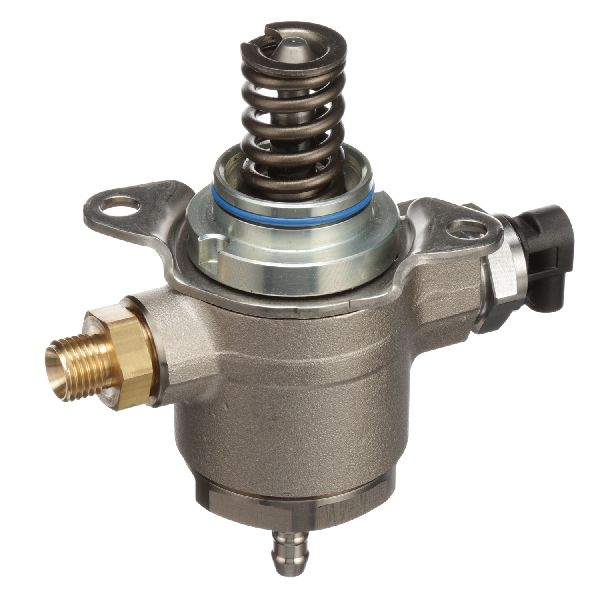
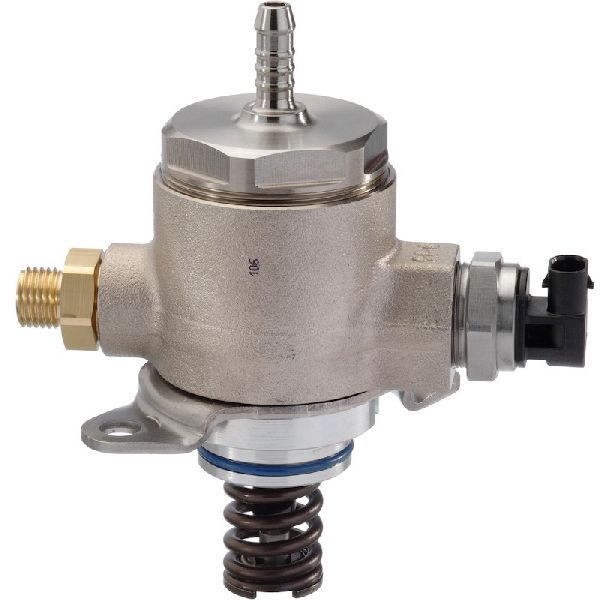
OEM Part Numbers: 06J127025L 06J127025J 06L127027C 07L127026AL
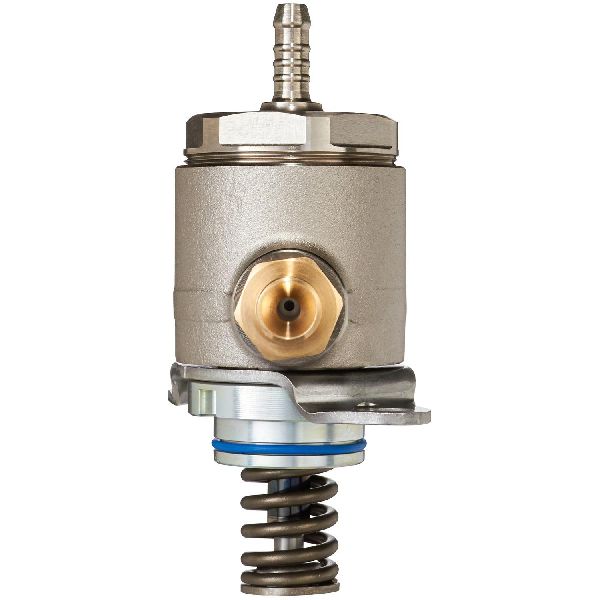
Mechanically driven by the engine's camshaft, this pump is designed for gasoline direct injection (FSI/TFSI) systems. It takes low-pressure fuel (approx. 40-75 PSI) and increases it to high pressure (up to 2,500+ PSI) for the fuel rail.
We Have This Part in Stock


The information in this article is provided for general reference and educational purposes only. Vehicle specifications, procedures, and part compatibility can vary by production date, trim level, and region. Always consult your vehicle's factory service manual and verify part numbers before purchasing or performing repairs. Safety-critical components such as airbags, seat belts, and braking systems should be installed by a qualified professional.
- Audi A5: