

A Guide to the Fuel Pressure Sensor on Your 2008-2016 Audi A5
Stalling, poor performance, or a check engine light on your Audi A5 could point to a failing fuel pressure sensor.
- Your A5 has two distinct fuel pressure sensors (G410 low-pressure, G247 high-pressure); proper diagnosis is key.
- A known defect with the low-pressure sensor (G410) is covered by a Technical Service Bulletin (TSB), making it a common failure point.
- Symptoms like hesitation, stalling, and a check engine light are common indicators of a failing sensor.
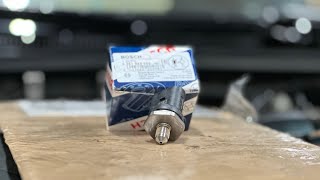
- For aftermarket parts, Vemo offers OEM-level quality, while Standard is a reliable mid-grade choice.
Understanding Your A5’s Two Fuel Pressure Sensors

When diagnosing fuel issues on a 2008-2016 Audi A5, it's critical to know there isn't just one fuel pressure sensor. Your vehicle uses two separate sensors for its gasoline direct injection (GDI) system, and they fail for different reasons.
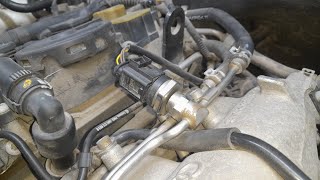
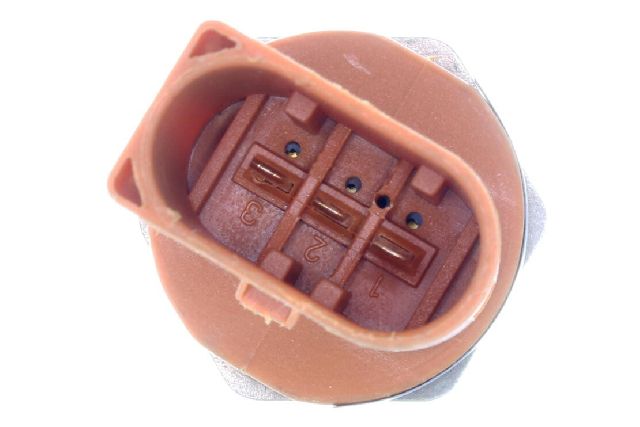
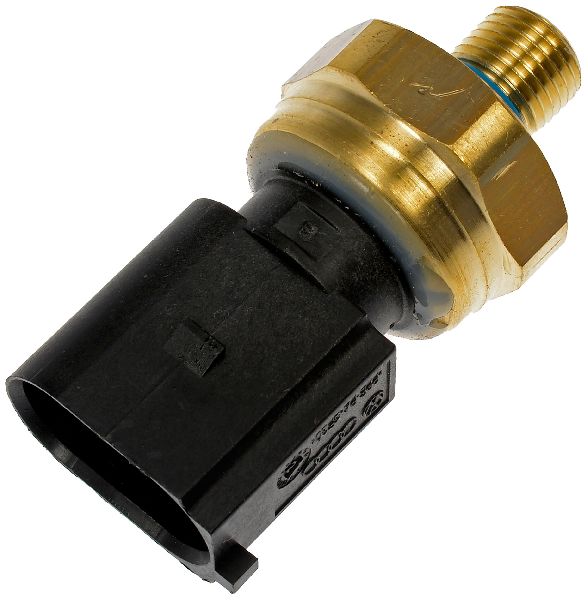
- Low-Pressure Sensor (G410): This sensor is located on the fuel line in the engine bay. It measures the fuel pressure supplied by the in-tank pump before it gets to the engine's high-pressure pump. These are known to fail due to internal fuel leaks, a problem Audi has acknowledged in service bulletins.
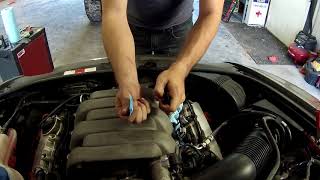
- High-Pressure Sensor (G247): This sensor is mounted directly on the fuel rail that feeds the injectors. It measures the extremely high fuel pressure (often over 1,500 PSI) needed for direct injection. A failure here can cause more severe performance problems. 🎬 See how to swap out the high-pressure fuel rail sensor.
Known Issue: Faulty Low-Pressure Sensors (G410)
Audi has issued Technical Service Bulletins (TSBs) for the low-pressure fuel sensor (G410) on these models. The original sensors were prone to having fuel seep into their electronics, causing them to send incorrect signals. This triggers a check engine light with various codes like P310B, P008A, or P008B. The official fix is to replace the faulty sensor with an updated part. 🎬 Watch this step-by-step guide on replacing the low-pressure fuel sensor. If you have these codes, the G410 sensor is the most likely culprit.
Symptoms of a Failing Fuel Pressure Sensor

A bad fuel pressure sensor, whether high or low, can make your A5 run poorly. Common signs include:
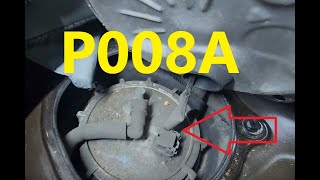
- Check Engine Light: This is the most common symptom. Specific codes will help pinpoint which sensor is failing. 🎬 Learn how to troubleshoot and fix the P008A fault code.
- Rough Idle or Stalling: The engine may stutter, idle unevenly, or stall completely, especially when coming to a stop.
- Hesitation and Power Loss: You may feel a delay or stumble when you accelerate. The car might feel sluggish and underpowered.
- Hard Starting: The engine may take longer than usual to start, or it might not start at all.
- Poor Fuel Economy: Incorrect sensor readings can cause the engine to run rich, wasting fuel.
Choosing the Right Aftermarket Sensor

You don't need to buy a sensor from the dealer to get your A5 running right. However, quality varies between aftermarket brands. For a critical engine sensor, choosing a reputable brand is important.
Tier 1 (OEM Quality): Vemo
Vemo is a German brand known for being an original equipment (OE) supplier for brands like Audi. Choosing a Vemo sensor is the closest you can get to dealer quality without the dealer price tag. It is an excellent choice for reliability and proper function.Tier 2 (Reliable Aftermarket): Standard Ignition (SMP)
Standard Motor Products is a well-established American company that produces reliable aftermarket parts. A Standard sensor is a solid, dependable option that should perform correctly and offer good service life.Tier 3 (Value-Oriented): Dorman & Replacement
Brands like Dorman and generic "Replacement" parts offer a budget-friendly fix. Dorman is known for engineering solutions to common failures, but overall quality can sometimes be inconsistent compared to OEM or Tier 1 brands. These are best if your primary concern is the initial cost.
Pro Tip: Check for Software Updates First
Audi released a TSB for the P0087 code (Fuel Rail Pressure Too Low) that is not caused by a bad part. Under certain conditions, like long idles in traffic, heat can build up and cause a temporary pressure drop. A simple engine computer software update from a dealer or qualified shop can fix this specific issue without replacing any parts.
Cost to Replace an Audi A5 Fuel Pressure Sensor

Replacing a fuel pressure sensor is not very expensive. The parts are affordable and the labor is straightforward.
| Part/Service | Estimated Cost |
|---|---|
| New Aftermarket Sensor | $45 - $105 |
| New OEM Sensor | $70 - $150 |
| Shop Labor | $75 - $110 |
| Total Estimated Cost | $120 - $260 |
Frequently Asked Questions (FAQ)
Do I have to replace the high-pressure and low-pressure sensors at the same time?
No. The two sensors fail independently. You only need to replace the one that has failed. A proper diagnosis with a scan tool will show which sensor is sending faulty readings.
Can I clean a fuel pressure sensor?
No, cleaning is not effective. The failure is almost always electronic and internal to the sensor. Once it begins to fail, it must be replaced.
Is this a difficult DIY job?
For a person with basic mechanical skills, this is a very feasible DIY job. The sensors are generally accessible in the engine bay. The most important step is to safely relieve the fuel pressure before removing the old sensor to prevent fuel spray.
Are there any recalls for the fuel pressure sensor?
There are no active recalls specifically for the fuel pressure sensors on the 2008-2016 Audi A5. However, there have been recalls on other fuel system parts like fuel hoses and pumps for some Audi models, so it's always wise to check if your vehicle has any open safety campaigns.
Helpful Videos

Technical Specifications
OEM Part Numbers: 06J906051D 06J906054B 06E906051K 06L906054C
System includes a low-pressure sensor (G410) on the fuel line and a high-pressure sensor (G247) on the fuel rail. The G410 sensor is a known failure point addressed by TSB 2015106/9.
We Have This Part in Stock


The information in this article is provided for general reference and educational purposes only. Vehicle specifications, procedures, and part compatibility can vary by production date, trim level, and region. Always consult your vehicle's factory service manual and verify part numbers before purchasing or performing repairs. Safety-critical components such as airbags, seat belts, and braking systems should be installed by a qualified professional.
- Audi A5:
- 🎬 Helpful Videos
- 🛍️ Shop This Part
- Understanding Your A5’s Two Fuel Pressure Sensors
- Known Issue: Faulty Low-Pressure Sensors (G410)
- Symptoms of a Failing Fuel Pressure Sensor
- Choosing the Right Aftermarket Sensor
- Pro Tip: Check for Software Updates First
- Cost to Replace an Audi A5 Fuel Pressure Sensor
- Frequently Asked Questions (FAQ)
- 🎟️ Get 5% Off