

Audi R8 Engine Variable Valve Timing (VVT) Solenoid: A Vehicle-Specific Guide for 2008-2016
Understanding when and why you might need to replace the VVT solenoids on your R8's V8 or V10 engine.
- A bad VVT solenoid will most often trigger a Check Engine Light with timing-related codes (P0010-P0025).
- For a high-performance vehicle like the R8, using an OEM or a top-tier OEM-equivalent aftermarket part is strongly recommended over budget brands.
- The primary cause of failure is old or dirty engine oil; maintaining a strict oil change schedule is the best prevention.
- It is best practice to replace all VVT solenoids at the same time, not just the one that failed.
Is Your Audi R8 Showing Signs of a Bad VVT Solenoid?
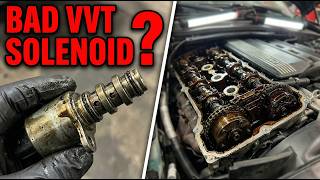
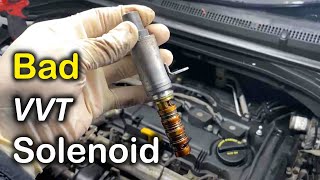
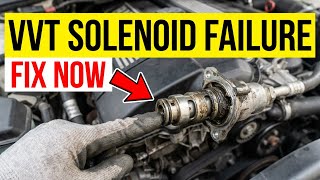
A failing VVT solenoid can disrupt the precise timing required by your R8's high-performance engine. The most common reason for failure is old or contaminated engine oil, which can clog the small passages and screens inside the solenoid. When this happens, the engine's computer can no longer control the camshaft timing correctly, leading to several noticeable issues.
Key Failure Symptoms:
- Check Engine Light: This is often the first and most obvious sign. The computer will detect that the camshafts are not in their expected positions and trigger a fault code.
- Rough Idle: The engine may shake, stutter, or idle unevenly because the valve timing is incorrect for low-speed operation.
- Loss of Power: Your R8 might feel sluggish or less responsive than usual, especially during acceleration.
- Poor Fuel Economy: When valve timing is not optimized, the engine burns fuel less efficiently, leading to more frequent stops at the gas station.
- Engine Noise: In some cases, a failing VVT system can cause a rattling or ticking noise from the top of the engine as the timing components operate without correct oil pressure.
A Note on Engine Codes
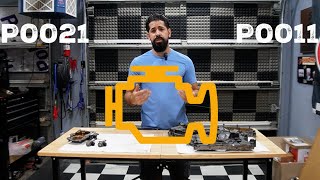
Fault codes related to VVT solenoids typically fall in the range of P0010 through P0025. For example, you might see codes like P0011 (Camshaft Position 'A' Timing Over-Advanced or System Performance Bank 1) or P0021 for Bank 2. These codes point to a timing problem but require a proper diagnosis to confirm if the solenoid is the cause.
🎬 See how to diagnose and fix P0011 and P0021 codesChoosing an Aftermarket VVT Solenoid for Your R8
For a specialized vehicle like the Audi R8, the choice between OEM and aftermarket parts is critical. While many aftermarket brands produce VVT solenoids, the quality can vary significantly. For an engine component this important, saving a few dollars on a low-quality part can lead to repeated repairs or even further engine issues.
Brand Quality Tiers for the R8
Given the high-performance nature of the R8, owner and specialist communities for similar German sports cars often recommend sticking with original parts. However, if you are considering aftermarket, here is an honest assessment of the available brands:
- Tier 1: OEM-Equivalent Brands: Brands like Vaico and Standard Ignition (SMP) position themselves as high-quality alternatives, sometimes using materials designed to resist wear better than the original. They are established names in the aftermarket. However, long-term reliability data from R8 owners is scarce. For peace of mind on an R8, OEM is the safest bet, but these brands represent the top tier of aftermarket choices.
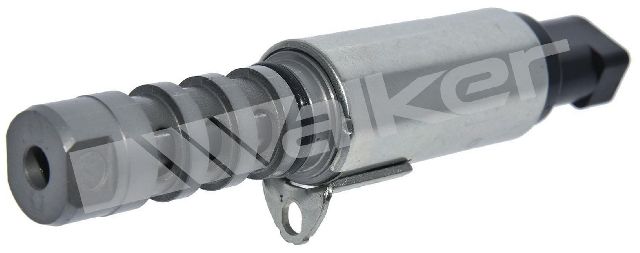
- Tier 2: Reputable Aftermarket Brands: This tier includes well-known brands like Beck Arnley, Gates, Walker Products, and Holstein. They manufacture parts to meet OE specifications and offer a balance of cost and quality. While generally reliable for standard vehicles, their use on a high-strung V8 or V10 engine is not as well-documented.
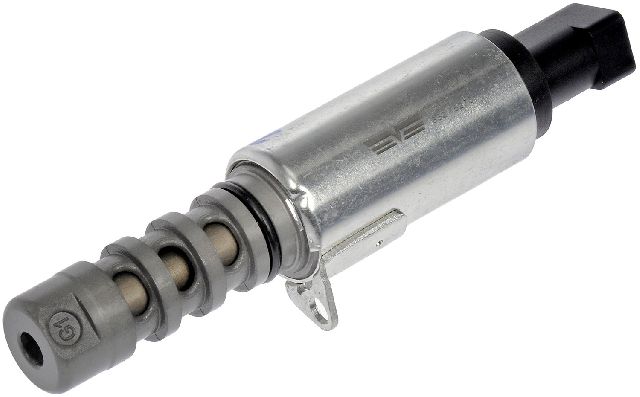
- Tier 3: Budget-Focused Brands: Brands like Dorman are widely available and often the most affordable. However, they receive very mixed reviews for electronic parts and solenoids, with many mechanics reporting higher failure rates. For a vehicle of the R8's caliber, using budget-focused electronic parts is not recommended.
Pro Tip: Replace in Pairs
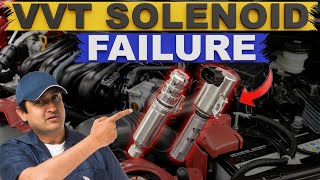
Your R8's V8 and V10 engines have at least two VVT solenoids (one for each cylinder bank), and some configurations have four (one for each intake and exhaust camshaft). If one solenoid fails due to age or oil contamination, the others are likely in similar condition. It is highly recommended to replace them all at the same time to ensure balanced performance and avoid a repeat repair job in the near future.
Cost to Replace an Audi R8 VVT Solenoid
The cost can be broken down into parts and labor. The mid-engine design of the R8 can make accessing components more time-consuming than on a typical sedan.
| Item | Estimated Cost |
|---|---|
| New Aftermarket VVT Solenoid (per part) | $83 - $220 |
| New OEM VVT Solenoid (per part) | $250 - $555+ |
| Shop Labor | $200 - $500 |
| Total Estimated Cost (per solenoid) | $283 - $1055+ |
Note: Labor costs are an estimate. The R8's mid-engine layout may increase labor time and cost compared to front-engine vehicles. Always get a quote from a qualified technician.
Frequently Asked Questions (FAQ)
Is it difficult to replace the VVT solenoids on an R8 myself?
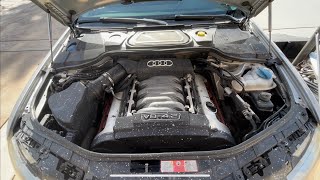
While the process on many Audi engines is simple (unplugging a connector and removing one bolt), access on the mid-engine R8 is tighter. Some components may need to be removed to reach the solenoids, which are located on the front of the cylinder heads. 🎬 Watch this walkthrough of a V8 cam actuator solenoid replacement It is a feasible DIY for an experienced mechanic, but a novice should likely leave this job to a professional, especially given the cost and complexity of the vehicle.
Are there any recalls for the VVT solenoid on the 2008-2016 Audi R8?
No. A search of the National Highway Traffic Safety Administration (NHTSA) database shows no specific recalls for the engine VVT solenoids on this vehicle.
Will a bad VVT solenoid cause permanent engine damage?
If ignored for a long time, yes. Driving with incorrect timing puts extra stress on the engine's valvetrain and timing chain components. This can accelerate wear and lead to much more expensive repairs down the road. It is best to address the issue as soon as symptoms appear.
Can I just clean my old VVT solenoid?
Sometimes, if the issue is a simple clog from dirty oil, cleaning the solenoid and its screens can restore function temporarily. However, this is often not a permanent solution. If the solenoid's internal electronic components are failing, cleaning will not help, and replacement is the only reliable fix.
Helpful Videos
Technical Specifications
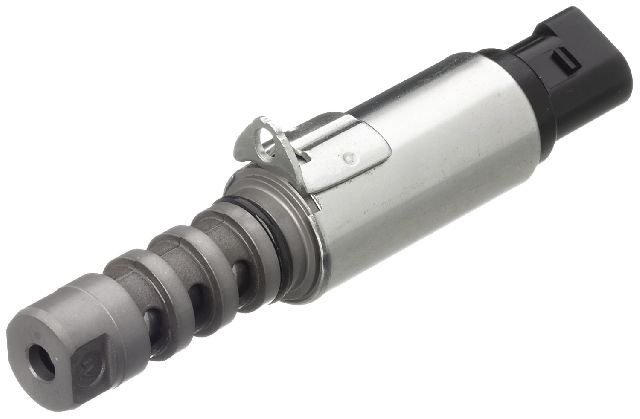
OEM Part Numbers: 06E109257P 06E109257J 06E109257F 07L109257 06F109257C
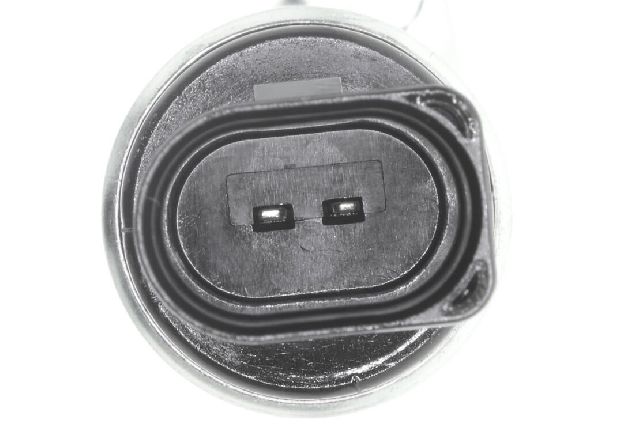
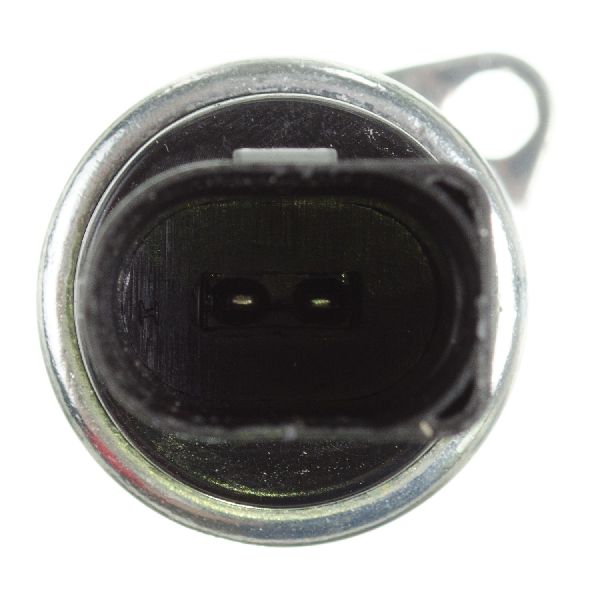
The VVT solenoid is an electromagnetic valve that uses a 2-pin connector and operates on 12V power to control engine oil flow.
We Have This Part in Stock


The information in this article is provided for general reference and educational purposes only. Vehicle specifications, procedures, and part compatibility can vary by production date, trim level, and region. Always consult your vehicle's factory service manual and verify part numbers before purchasing or performing repairs. Safety-critical components such as airbags, seat belts, and braking systems should be installed by a qualified professional.
- Audi R8:
- 🎬 Helpful Videos
- 🛍️ Shop This Part
- Is Your Audi R8 Showing Signs of a Bad VVT Solenoid?
- Key Failure Symptoms:
- A Note on Engine Codes
- Choosing an Aftermarket VVT Solenoid for Your R8
- Brand Quality Tiers for the R8
- Pro Tip: Replace in Pairs
- Cost to Replace an Audi R8 VVT Solenoid
- Frequently Asked Questions (FAQ)
- 🎟️ Get 5% Off