

Audi R8 (2008-2016) Oxygen Sensor: A Complete Guide
Keep your R8's high-performance engine running perfectly by understanding its oxygen sensors.
- A bad oxygen sensor will trigger your Check Engine Light and hurt fuel economy and performance.
- For the Audi R8, stick with top-tier aftermarket brands like Bosch, Denso, or NGK for OEM-level performance.
- Your R8 has four sensors; confirm the exact location (e.g., Bank 1, Sensor 2) before buying a replacement.
- While DIY is possible, tight access makes this a challenging job; professional installation is recommended for most owners.
Understanding Oxygen Sensor Failure in Your R8
Oxygen sensors wear out over time due to constant exposure to hot exhaust gases, carbon buildup, and contaminants. Most sensors have a lifespan of 60,000 to 100,000 miles. When a sensor starts to fail, it sends slow or incorrect data to the ECU, which can negatively impact your R8's legendary performance and potentially harm other expensive components like the catalytic converters.
Symptoms of a Bad Oxygen Sensor
A failing oxygen sensor will almost always trigger the Check Engine Light. Beyond that, you might notice more subtle signs that something is wrong with your vehicle's performance.
- Reduced Fuel Economy: One of the first noticeable signs is your R8 using more fuel than usual.
- Rough Idle or Stalling: The engine may idle unevenly or even stall because the air-fuel mixture is incorrect.
- Poor Engine Performance: You might experience hesitation, misfires, or a general loss of power, especially during acceleration.
- Failed Emissions Test: A bad O2 sensor is a common reason for failing a state-mandated emissions inspection.
- Unusual Smells: A 'rotten egg' or sulfur smell from the exhaust can indicate a problem, as can black smoke. 🎬 Watch a breakdown of the most common bad oxygen sensor symptoms.
Known Issues & TSBs
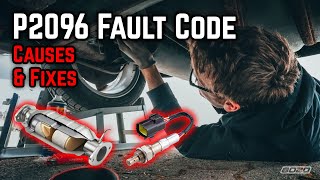
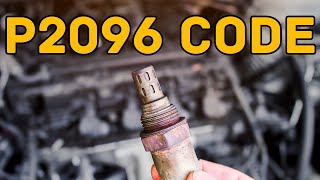
While no specific recalls exist for oxygen sensors on the 2008-2016 R8, Audi has issued Technical Service Bulletins (TSBs) for similar models that are relevant. TSB 2046611/5 notes that DTCs P209600 or P209800 (Too Lean) can be caused by contamination in the *rear* (post-catalyst) oxygen sensor, and advises replacing only the affected rear sensor. 🎬 See how to diagnose and fix a P2096 lean code. Another TSB, 2044668/1, mentions that on very low-mileage cars (under 5,000 miles), codes like P013E00 or P014A00 can appear during the catalytic converter's break-in period and should just be cleared without replacing parts.
Choosing the Right Aftermarket Oxygen Sensor
For a high-performance vehicle like the Audi R8, sensor quality and accuracy are critical. While an OEM sensor from an Audi dealer is a guaranteed fit, high-quality aftermarket brands offer comparable performance at a better price. Bosch is the original inventor of the modern oxygen sensor and is a primary OEM supplier to many German brands, including Audi. Denso and NGK (also known as NTK) are also top-tier, OEM-quality manufacturers known for their reliability and precision.
| Tier | Brands | Notes |
|---|---|---|
| Top Tier (OEM Quality) | Bosch, Denso, NGK/NTK | These brands are often the original equipment manufacturer. They provide the best performance and reliability, making them a safe bet for your R8. |
| Mid-Grade (Reliable Replacements) | Delphi, Walker Products, Spectra | These are well-regarded brands in the aftermarket, offering a good balance of quality and value. They are a solid choice for a reliable repair. |
| Economy (Budget-Friendly) | DriveWire, Facet | While functional, these brands are built to a price point. They may not offer the same longevity or precise calibration as top-tier options, which can be critical for a finely-tuned engine like the R8's. |
Pro Tip: Upstream vs. Downstream Sensors
Your R8 has both upstream (pre-catalyst) and downstream (post-catalyst) sensors. They are not interchangeable. Upstream sensors are often called Air/Fuel Ratio sensors and are more critical for engine performance. Downstream sensors monitor the catalytic converter. Always verify the correct sensor for the specific location (e.g., Bank 1 Sensor 1, Bank 2 Sensor 2) before purchasing. An owner replacing a sensor on a 2010 R8 V8 noted that "Bank 1" was the passenger side, a common source of confusion.
Frequently Asked Questions (FAQ)
How many oxygen sensors does my 2008-2016 Audi R8 have?
Both the V8 and V10 engines in the Audi R8 have four oxygen sensors. There is one upstream (pre-cat) and one downstream (post-cat) sensor for each engine bank.
Should I replace all four sensors at once?
It is not strictly necessary, but it is often recommended. Oxygen sensors age at a similar rate. If one has failed due to high mileage, the others are likely not far behind. Replacing them in pairs (both upstream or both downstream) or all at once can save you from repeated repairs.
Is this a DIY job for a home mechanic?
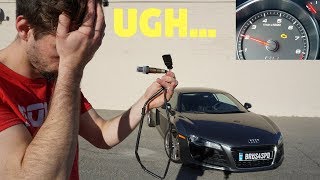
It can be, but it's challenging. Accessing the sensors on the R8, particularly the upstream ones, requires removing engine bay panels and air intake components. The sensors can also be seized in the exhaust pipe and require special tools (like an O2 sensor socket) and penetrating lubricant to remove. A DIY replacement on a 2010 R8 took a user four to five hours. 🎬 Watch this owner's DIY guide to fixing an R8 check engine light. Given the complexity, many owners may prefer to have a professional mechanic handle the job.
What are common diagnostic codes for a bad O2 sensor?
Besides a general check engine light, you may see specific codes like P013E, P014A, P2096, or P2098. Codes like P0420 and P0430 (Catalyst Efficiency Below Threshold) can also be triggered by a faulty downstream O2 sensor, though they can also indicate a failing catalytic converter.
Helpful Videos
Technical Specifications
OEM Part Numbers: 07L906262 079906262 06D906265 06F906265
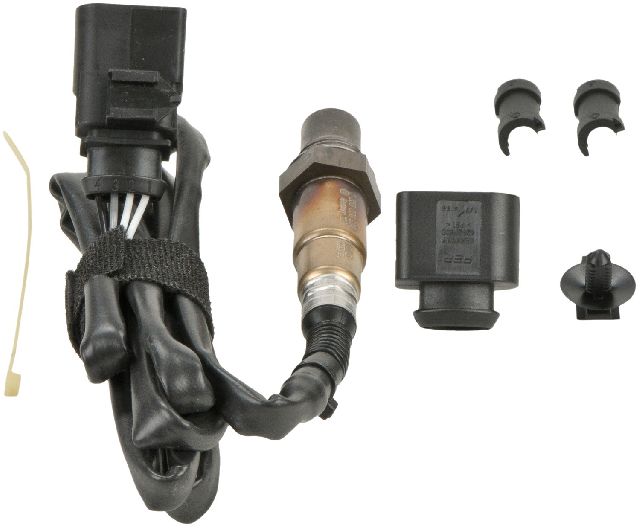
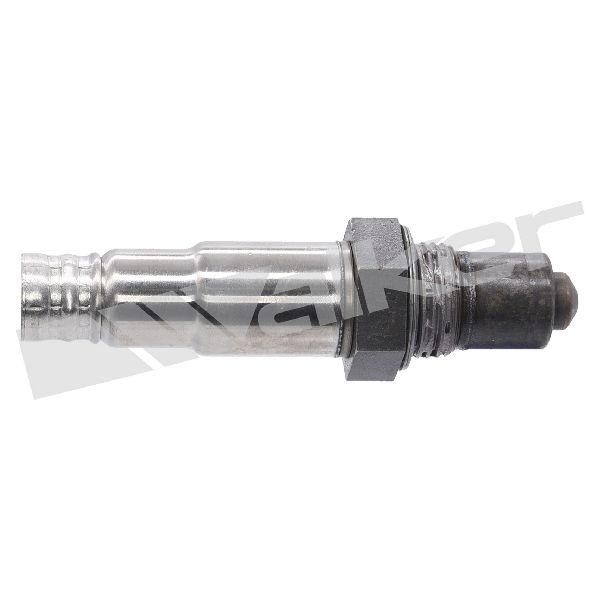
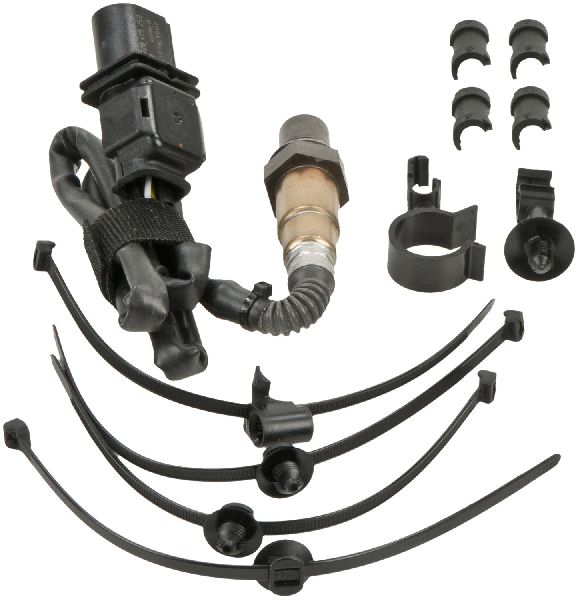
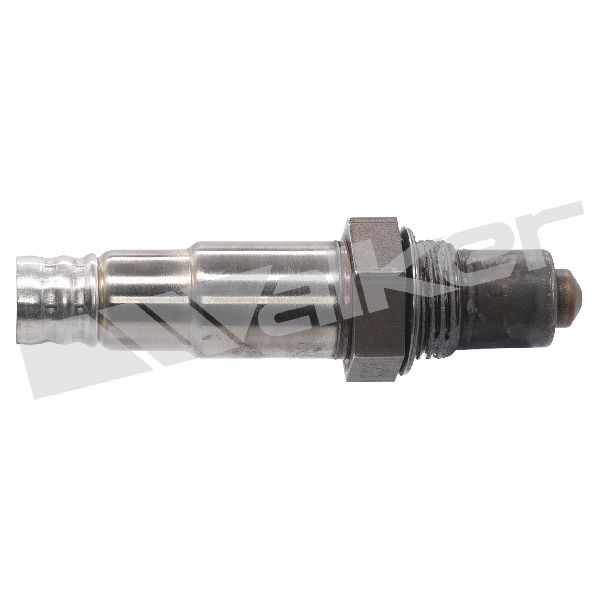
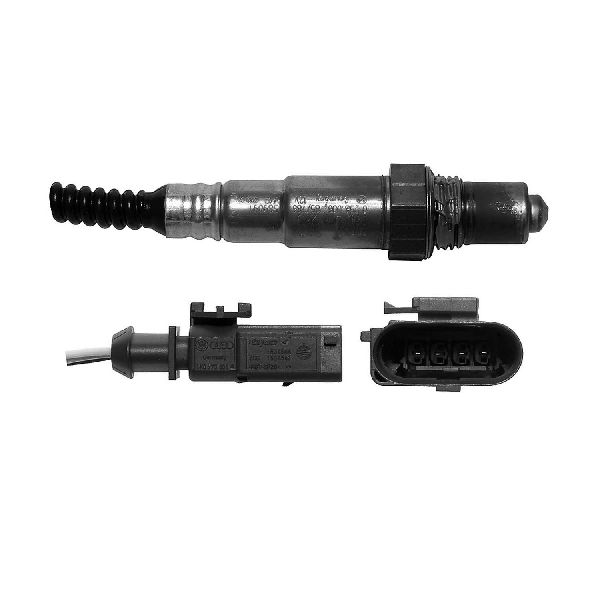
The Audi R8 uses heated, 5-wire wideband (upstream) and 4-wire narrowband (downstream) sensors with an M18x1.5 thread size. Connectors are specific to the location and must be matched.
We Have This Part in Stock


The information in this article is provided for general reference and educational purposes only. Vehicle specifications, procedures, and part compatibility can vary by production date, trim level, and region. Always consult your vehicle's factory service manual and verify part numbers before purchasing or performing repairs. Safety-critical components such as airbags, seat belts, and braking systems should be installed by a qualified professional.
- Audi R8: