

A Guide to Aftermarket Brake Pads for the 2008-2016 Audi TT Quattro
Stop dealing with excessive brake dust and noise by choosing the right aftermarket brake pads for your driving needs.
- OEM Audi pads are known for creating excessive brake dust; aftermarket ceramic pads like Akebono are a popular solution for cleaner wheels.
- Choose your brake pad material based on your priorities: ceramic for low dust and quiet daily driving, or semi-metallic/performance for better stopping power with more dust and noise.
- Replacing rear pads requires a special tool to retract the caliper piston; do not use a simple C-clamp.
- Always replace brake rotors with your pads for the best performance and to avoid noise and vibration issues.
Signs of Failing Brake Pads
Worn brake pads can be dangerous. It's important to recognize the signs before they fail completely. You should inspect your brakes regularly, but here are some common symptoms that indicate it's time for a replacement.
- Squealing or Screeching Noises: Many brake pads have a small metal tab called a wear indicator. When the pad material wears down, this tab contacts the rotor and makes a high-pitched noise.
- Grinding Sounds: If you hear a deep, metallic grinding, it means the pad material is completely gone. The metal backing plate is now grinding against the rotor, causing serious damage. Stop driving immediately if you hear this.
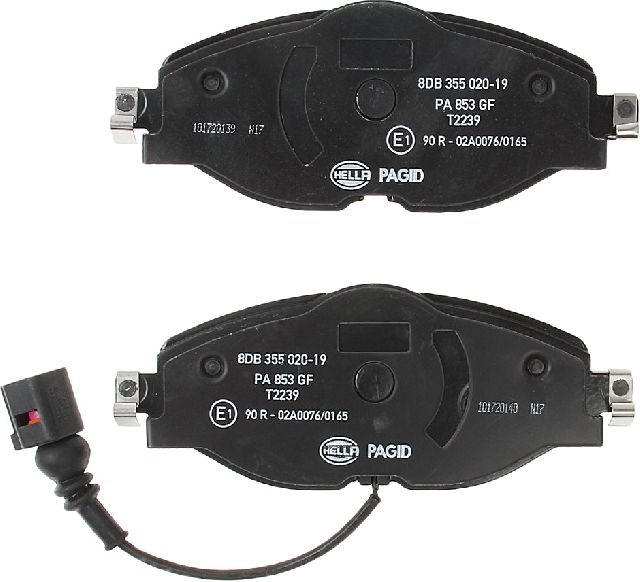
- Brake Warning Light: Your TT Quattro is equipped with a brake pad wear sensor on the front axle. When the pads are low, this sensor will trigger a warning light on your dashboard. 🎬 Watch this step-by-step guide for replacing front pads and rotors.
- Vibration or Pulsing: If you feel a pulsing in the brake pedal or a vibration in the steering wheel when braking, your brake rotors may be warped, often from heat caused by worn pads.
A Note on OEM Brake Dust
A very common complaint from Audi owners is the excessive amount of black dust produced by the original equipment (OEM) brake pads. This is because factory pads are often a semi-metallic compound designed for strong initial bite and performance. While they stop the car well, they create a lot of dust that quickly makes wheels look dirty. This is the primary reason many owners switch to aftermarket ceramic pads.
Choosing the Right Aftermarket Brake Pad Set
Selecting the right brake pad depends entirely on your driving style and priorities. Do you want to eliminate dust for daily driving, or do you need maximum stopping power for spirited driving? Here’s a breakdown of common pad types and reputable brands.
Pad Material Types
- Ceramic: The best choice for the average daily driver. Ceramic pads produce very little dust, are extremely quiet, and are gentle on brake rotors. Brands like Akebono are highly recommended by Audi owners for solving the OEM dust issue.
- Semi-Metallic: These offer excellent performance and heat dissipation, similar to or better than OEM pads. The trade-off is more noise and significant brake dust. They are a good choice for drivers who prioritize performance over cleanliness.
- Performance / Track: For drivers who participate in high-performance driving events or demand the absolute best stopping power. Brands like EBC Brakes (Yellowstuff, Redstuff), Hawk Performance (HPS, HP+), and Brembo offer pads that resist brake fade at high temperatures. Be aware, these can be noisy and dusty during normal street driving.
Don't Forget to Bed-In Your New Brakes
Properly bedding-in your new pads and rotors is crucial for performance and longevity. This process involves a series of controlled stops to transfer an even layer of friction material to the rotor. Failure to do this can lead to noise and vibration. Always follow the manufacturer's specific break-in procedure.
Brand Tiers for Your Audi TT
| Tier | Brands | Best For |
|---|---|---|
| Premium / OEM-Equivalent | Akebono, Brembo, Textar, Pagid, Zimmermann, Bosch | Daily driving, low dust (especially Akebono ceramic), and quiet operation that meets or exceeds factory standards. |
| Performance Upgrade | EBC Brakes, Hawk Performance, StopTech | Spirited street driving and occasional track use. Expect improved stopping power but more dust and potential for noise compared to ceramic pads. |
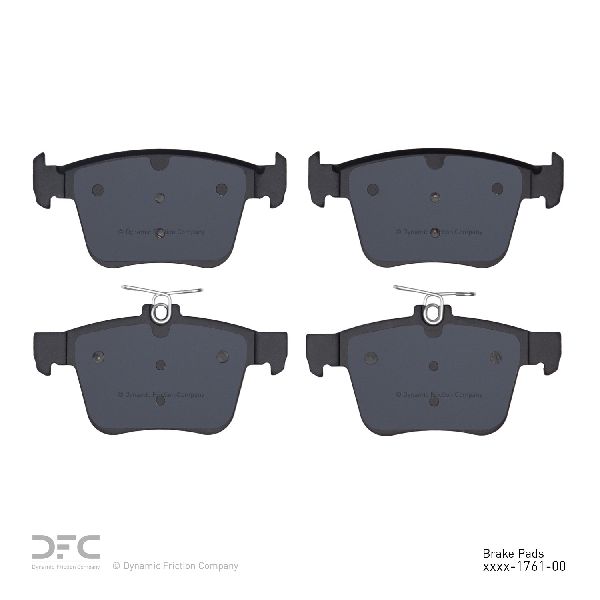
| Daily Driver / Value | Centric, Raybestos, Wagner, Dynamic Friction | Reliable, affordable replacements for normal commuting. Quality is generally good and provides safe, consistent braking. |
Frequently Asked Questions (FAQ)
Do I need to replace my brake rotors at the same time?
It is highly recommended to replace pads and rotors together. A new, flat rotor surface is essential for new pads to bed-in correctly and provide optimal performance. If your old rotors have a noticeable lip on the edge or show signs of heavy scoring or discoloration, they must be replaced.
🎬 See how to change your brake pads and discs.What is a brake pad wear sensor?
The 2008-2016 TT Quattro uses a single brake pad wear sensor on the front-left (driver's side) brake pad. It's a simple circuit that breaks when the pad wears down to a certain level, triggering a light on your dash. When you replace your pads, you must also replace the sensor. Some aftermarket pad sets include a new sensor, while others require you to purchase it separately.
Why are my new brakes squeaking?
New brake squeak can be caused by several things. The most common reason is not performing the bedding-in procedure correctly. It can also be caused by not cleaning and lubricating the caliper slide pins and contact points, or if anti-rattle clips are damaged or missing. High-performance metallic pads are also naturally noisier than ceramic pads.
Do I need a special tool for the rear brakes?
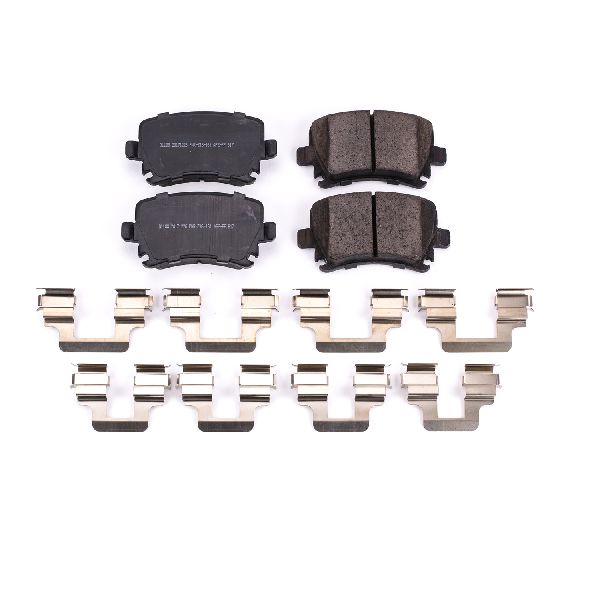
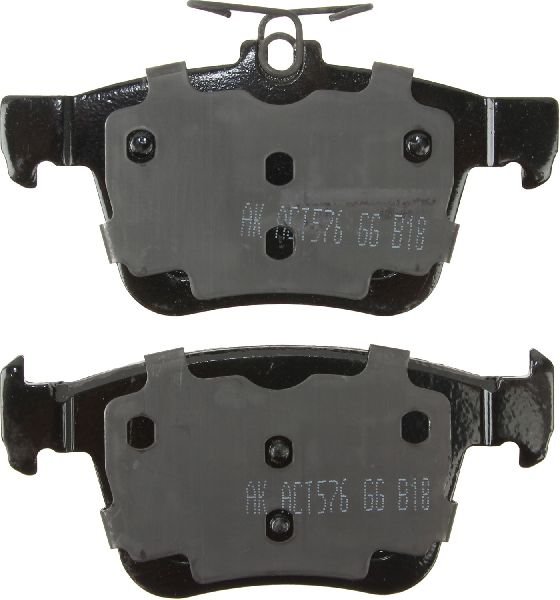
Yes. The rear brake calipers on the TT Quattro have an integrated parking brake mechanism. The caliper piston must be twisted and pushed back in simultaneously. You will need a specific caliper piston retractor tool to do this without causing damage. A standard C-clamp will not work and will damage the caliper.
🎬 Learn how to replace rear brakes using the correct tools.Helpful Videos
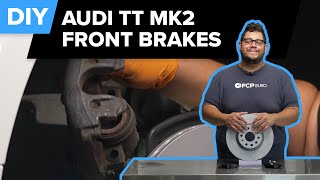
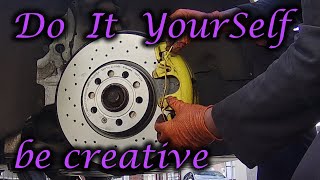
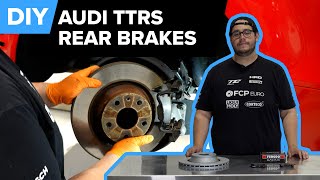
Technical Specifications
OEM Part Numbers: 8J0698151K 8J0698151C 8J0698451D 1K0698451G
The 2008-2016 Audi TT Quattro uses single-piston sliding calipers on both the front and rear axles. The front pads incorporate a single electronic wear sensor. The rear calipers require a special tool for piston retraction due to the integrated parking brake.
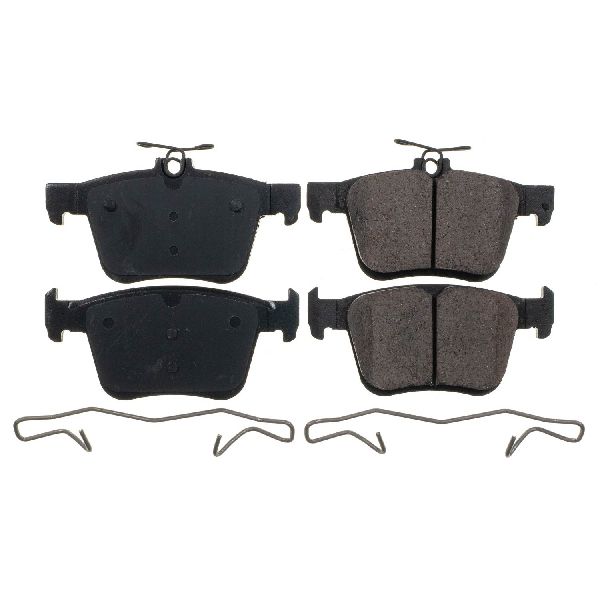
We Have This Part in Stock

The information in this article is provided for general reference and educational purposes only. Vehicle specifications, procedures, and part compatibility can vary by production date, trim level, and region. Always consult your vehicle's factory service manual and verify part numbers before purchasing or performing repairs. Safety-critical components such as airbags, seat belts, and braking systems should be installed by a qualified professional.
- Audi TT Quattro: