

A Guide to the Serpentine Belt for the 2008-2016 Audi TT
Everything you need to know before replacing the serpentine belt on your Mk2 Audi TT.
- A squealing noise is the most common sign of a worn belt or a failing tensioner; do not ignore it.
- Always inspect the belt tensioner and idler pulleys when replacing the belt, as a bad tensioner is a frequent cause of belt failure.
- For OEM quality, choose aftermarket brands like Continental or INA, which are original suppliers to Audi.
- Verify the correct part number for your TT's specific engine (2.0T, 3.2L, etc.) as belt lengths vary.
Signs of a Failing Serpentine Belt
A serpentine belt will almost always give you warning signs before it fails completely. Ignoring these signs can leave you stranded. The most common symptom is a high-pitched squealing or chirping noise 🎬 Watch: How to identify belt squeal and tensioner flapping. coming from the engine bay. This noise is often worse when you first start the car or during acceleration and is a sign the belt is slipping. You should also perform a visual inspection. If you see cracks, frayed edges, missing ribs, or a shiny, glazed surface on the belt, it needs to be replaced immediately. Finally, if your battery light comes on, the A/C stops blowing cold air, or the engine temperature starts to rise, it could mean the belt is failing and no longer powering those accessories properly.
A Note on the Belt Tensioner
Often, a squealing noise isn't caused by the belt itself, but by a weak or failing belt tensioner. The tensioner is a spring-loaded part that keeps the belt tight. When it wears out, it can't maintain proper tension, causing a new belt to slip and wear out prematurely. It is highly recommended to inspect the tensioner and idler pulleys when changing the belt and replace them as a set if there is any doubt.
🎬 See this step-by-step guide for replacing the belt tensioner.Choosing the Right Aftermarket Serpentine Belt
You do not need to buy a serpentine belt from an Audi dealership to get a quality part. Many aftermarket companies are Original Equipment Manufacturers (OEM), meaning they produce the exact same parts that Audi installs at the factory.
Tier 1: OEM-Equivalent Brands
Continental & INA: Both Continental and INA are well-known OEM suppliers for Audi and other European vehicles. Choosing a belt from one of these brands is the closest you can get to the genuine part without the dealership price tag. They are manufactured to the same high standards for material, fit, and durability. INA is also a primary manufacturer for tensioner assemblies.
Tier 2: High-Quality Aftermarket Brands
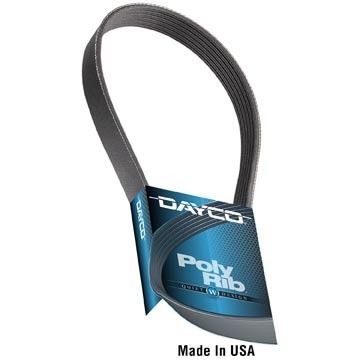
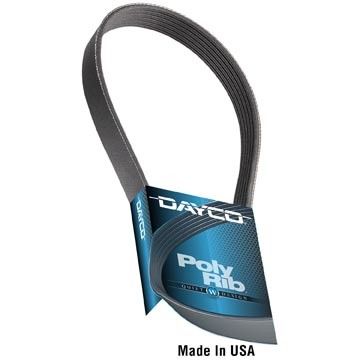
Gates & Dayco: Gates and Dayco are highly respected aftermarket brands that produce reliable and durable belts. While they may not always be the direct OEM supplier for your specific TT, they are a trusted choice for mechanics and offer excellent performance and value.
Common Ordering Mistake: Check Your Engine
The 2008-2016 Audi TT was available with several different engines (2.0T, 3.2L VR6, TTS, TT RS). These engines use different serpentine belts of varying lengths. Always verify the correct part number for your specific engine and model year before ordering to avoid getting the wrong part.
Cost to Replace an Audi TT Serpentine Belt
| Part/Service | Estimated Cost |
|---|---|
| New OEM Belt | $45 - $85 |
| New Aftermarket Belt | $16.75 - $40.30 |
| Shop Labor | $110 - $180 |
| Total Professional Replacement (Aftermarket) | $127 - $220 |
Cost estimates are approximate and can vary by location and repair shop.
Frequently Asked Questions (FAQ)
When should the serpentine belt be replaced?
Most manufacturers recommend inspecting the belt at every oil change and replacing it every 60,000 to 100,000 miles, or as soon as you see signs of wear like cracking or fraying. Audi's official schedule suggests an inspection around 80,000 miles.
Is a serpentine belt the same as a timing belt?
No. The serpentine belt runs on the outside of the engine to power accessories. The engines in the 2008-2016 TT use an internal timing chain (not a belt) to synchronize the engine's crankshaft and camshafts. Timing chain issues are a much more complex and expensive repair.
Why is my new serpentine belt still squeaking?
If a new belt is squeaking, the belt itself is rarely the problem. The most common causes are a weak or failing tensioner that isn't providing enough tension, a misaligned pulley, or fluid contamination (like oil or coolant) on the belt.
Is this a difficult DIY job?
For a DIY mechanic with the right tools, this is a manageable job. The main challenge is the tight space. You will need a long wrench or serpentine belt tool (often 16mm or 17mm) to release the tensioner. It's recommended to take a picture of the belt's routing 🎬 Watch: A helpful walkthrough of the 2.0 TSI belt replacement. before removal to ensure the new one goes on correctly.
Helpful Videos
Technical Specifications
OEM Part Numbers: 06J260849D 06E903137J
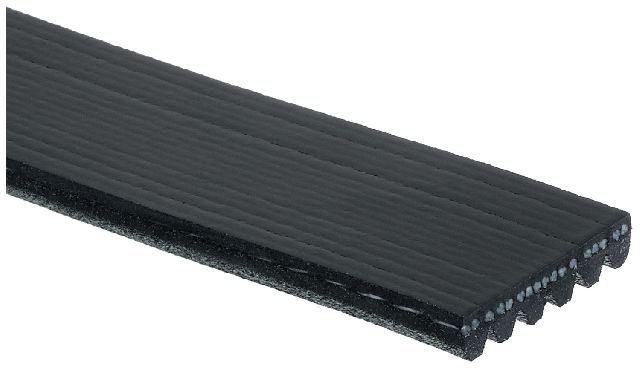
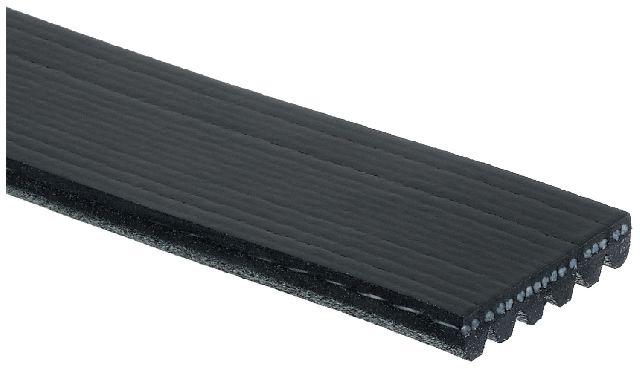
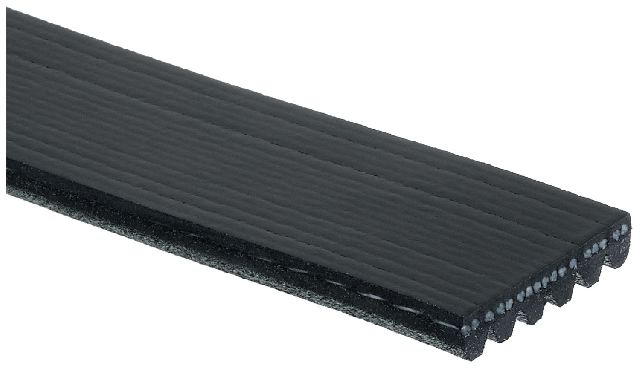
The most common belt type for the 2.0T engine is a 6-rib EPDM (Ethylene Propylene Diene Monomer) rubber belt. Lengths vary by engine, with common sizes being around 1115mm to 1120mm.
We Have This Part in Stock

The information in this article is provided for general reference and educational purposes only. Vehicle specifications, procedures, and part compatibility can vary by production date, trim level, and region. Always consult your vehicle's factory service manual and verify part numbers before purchasing or performing repairs. Safety-critical components such as airbags, seat belts, and braking systems should be installed by a qualified professional.
- Audi TT:
- 🎬 Helpful Videos
- 🛍️ Shop This Part
- Signs of a Failing Serpentine Belt
- A Note on the Belt Tensioner
- Choosing the Right Aftermarket Serpentine Belt
- Tier 1: OEM-Equivalent Brands
- Tier 2: High-Quality Aftermarket Brands
- Common Ordering Mistake: Check Your Engine
- Cost to Replace an Audi TT Serpentine Belt
- Frequently Asked Questions (FAQ)
- 🎟️ Get 5% Off