

A Guide to the Ambient Air Temperature Sensor for the 2008-2016 BMW X5
Incorrect temperature on your dash or A/C acting up? Your ambient air temperature sensor could be the reason.
- A bad sensor directly impacts the performance of your X5's automatic climate control.
- Symptoms include a wrong temperature on the dash, A/C issues, and a possible check engine light.
- Replacement is a simple, DIY-friendly task for most owners, with the sensor located in the front bumper area.
- Check the wiring and connector for corrosion or damage, as this is a common point of failure.
Why This Sensor Matters for Your X5

When the ambient air temperature sensor on your 2008-2016 BMW X5 fails, it can cause more than just an incorrect temperature reading on your dashboard. This sensor provides critical data to your vehicle's automatic climate control. If the sensor reports that it's -40°F outside when it's actually 75°F, your air conditioning compressor may not turn on at all. This is a safety measure, but it leaves you without cool air. The opposite is also true, affecting how the heat works in the winter. For a vehicle as advanced as an X5, this small part plays a big role in your comfort and the proper function of its systems.
Symptoms of a Failing Ambient Air Temperature Sensor

The signs of a bad sensor are often easy to spot. Look out for the following:
- Incorrect Temperature Display: The most obvious symptom is the temperature shown on your dashboard being clearly wrong. It might be stuck on an extreme number like -40°F or 122°F, or it may fluctuate wildly.
- A/C or Heater Not Working Correctly: If the automatic climate control doesn't have accurate outside temperature data, it can't properly regulate the cabin temperature. This can lead to the A/C not blowing cold or the heater not working as expected.
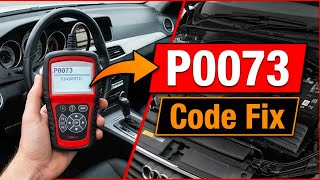
- Check Engine Light: A failing sensor can trigger a Check Engine Light and store diagnostic trouble codes (DTCs). Common codes for this issue include P0070, P0071, P0072, P0073, and P0074. 🎬 See how to test and fix a P0073 circuit code.
A Note on Wiring Issues
Sometimes the sensor itself is fine, but the wiring or connector is the problem. The sensor is located in the front of the vehicle, making it vulnerable to road debris, moisture, and corrosion. On some X5 models, owners have reported that the wiring can become brittle and break, or the connector can corrode, causing the same symptoms as a failed sensor. It's always a good idea to inspect the wiring and connector when diagnosing this issue.
Choosing the Right Aftermarket Sensor

For a part like the ambient air temperature sensor, a high-quality aftermarket replacement is a smart and cost-effective choice. The technology is simple, and reputable brands produce reliable sensors that perform just as well as the original factory part. Here’s a look at the brands available:
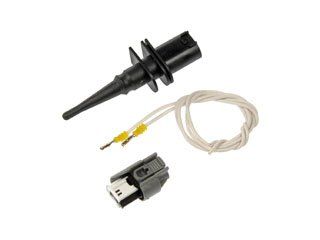
- Dorman: A well-known aftermarket brand, Dorman offers direct replacement sensors that often come with a new connector and harness, which is useful if the original is corroded or damaged. They are generally considered a reliable choice for common replacement parts.
- Standard Ignition (SMP): Standard is a respected name in automotive electronics. They are known for producing quality components that meet or exceed OEM specifications. An SMP sensor is a solid choice for reliability.
- URO Parts: URO Parts specializes in parts for European vehicles and is often the most budget-friendly option. For a simple sensor like this, URO can be a good value, though some users on forums have mixed opinions on the brand for more complex components.
| Part Type | Estimated Cost |
|---|---|
| New Aftermarket (Dorman, URO, Standard) | $19 - $58 |
| New OEM (Genuine BMW) | $54 - $72 |
| Shop Labor for Installation | $60 - $120 |
Pro Tip: DIY Installation
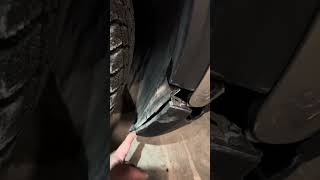
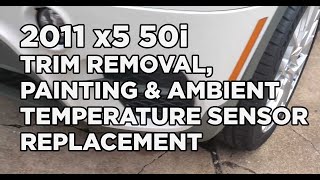
Replacing this sensor is a job most owners can do themselves with basic tools. The sensor is typically located in the lower front bumper area, often clipped into the driver's side brake cooling duct 🎬 Watch: A quick walkthrough of the E70 sensor location. or behind a wheel well liner. Accessing it may require removing a few screws from the plastic splash shield or wheel liner. 🎬 Watch: Step-by-step sensor replacement and trim removal guide. This can save you the cost of labor.
Frequently Asked Questions

Where is the ambient air temperature sensor located on a 2008-2016 BMW X5?
On the E70 (2008-2013) and F15 (2014-2016) X5, the sensor is usually located in the front lower bumper area. For many models, it's clipped into the driver's side lower grille or brake cooling duct. You may need to remove the plastic splash shield underneath the bumper to see and access it.
Can I drive my X5 with a bad ambient air temperature sensor?
Yes, the vehicle is safe to drive. However, your automatic climate control will not function correctly, which can be uncomfortable in hot or cold weather. It's best to replace the sensor to restore full functionality.
Are there any recalls for this sensor on the BMW X5?
There are no specific recalls from BMW or NHTSA for the ambient air temperature sensor on the 2008-2016 X5 models. Recalls for this vehicle generation typically involve other components.
Why is my new sensor still showing the wrong temperature?
If a new sensor doesn't fix the problem, the issue is likely in the wiring or the connector. Check the wires for any breaks, frays, or signs of corrosion. A forum user noted that on their F15 X5, a wire had broken internally inside the insulation, which required bypassing the broken section of wire to fix the problem. Also, it can take a few minutes of driving for the car's computer to update the reading from the new sensor.
Helpful Videos
Technical Specifications
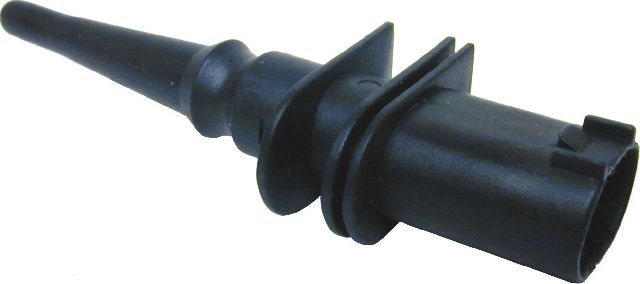
OEM Part Numbers: 65816905133 65816936953
A 2-pin thermistor sensor that changes resistance based on outside air temperature. Located in the front bumper/wheel well area.
We Have This Part in Stock


The information in this article is provided for general reference and educational purposes only. Vehicle specifications, procedures, and part compatibility can vary by production date, trim level, and region. Always consult your vehicle's factory service manual and verify part numbers before purchasing or performing repairs. Safety-critical components such as airbags, seat belts, and braking systems should be installed by a qualified professional.
- BMW X5: