

Engine Coolant Temperature Sensor Guide for the 2008-2016 Chrysler Town & Country
An essential guide to diagnosing and replacing the engine coolant temperature sensor in your Town & Country minivan.
- A P0128 trouble code is more often caused by a bad thermostat than the sensor itself, but replacing both is a common strategy.
- Sensor location varies by engine: 2011-2016 (3.6L) models have it on the front-driver's side, while 2008-2010 (3.8L) models have it under the rear coil pack.
- Using a high-quality OEM (Mopar) or premium aftermarket (NTK, Delphi) sensor is highly recommended to avoid performance and compatibility issues.
- Symptoms like overheating, poor MPG, and rough idle can all be traced back to this single, inexpensive sensor.
Is Your Town & Country's Coolant Sensor Failing?

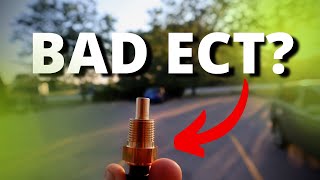
A faulty Engine Coolant Temperature (ECT) sensor can cause a surprising number of problems that might seem unrelated. Because the engine's computer relies on this sensor for accurate temperature readings, a bad sensor sending wrong information can make the van run poorly. This can mimic other, more serious engine issues.
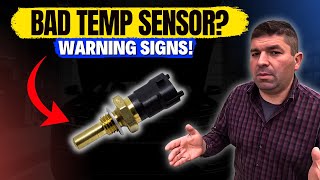
🎬 Watch: A breakdown of common symptoms of a bad sensor.Common Symptoms of a Bad ECT Sensor:
- Check Engine Light: This is the most common sign. You may see codes like P0117 (Sensor Circuit Low), P0118 (Sensor Circuit High), or P0128 (Coolant Thermostat Temperature Below Regulating Temperature).
- Poor Fuel Economy: If the sensor wrongly tells the computer the engine is cold, the system will use more fuel than necessary.
- Engine Overheating: The sensor is responsible for telling the cooling fans to turn on. If it fails, the fans may not activate when needed, causing the engine to overheat, especially in traffic.
- Rough Idle or Hard Starting: An incorrect fuel mixture from a bad sensor reading can make the engine run rough or be difficult to start, particularly when it's already warm.
- Inaccurate Temperature Gauge: The needle on your dashboard's temperature gauge might stay on cold, jump to hot suddenly, or not move at all.
A Note on Code P0128
The trouble code P0128 is very common on these vans. While it can be caused by a bad ECT sensor, it is more often triggered by a faulty thermostat that is stuck open. If you have this code, it is wise to inspect or replace the thermostat as well. Many mechanics replace both the thermostat and the sensor at the same time.
🎬 See how to fix overheating and the P0128 code.Choosing the Right Aftermarket Sensor

When it comes to electronic sensors for Chrysler vehicles, quality matters. While budget-friendly options exist, they can sometimes cause more headaches than they solve. Here’s a breakdown of the available brands.
Tier 1: OEM & Premium Aftermarket
These brands are known for their reliability and are often the original equipment manufacturer for Chrysler.
- Mopar: This is the official OEM part. It's the safest bet for guaranteed compatibility and performance. Forum members often recommend sticking with Mopar for critical sensors to avoid issues.
- NGK/NTK: A top-tier brand that is known to be the actual manufacturer for many Mopar sensors. Choosing NTK is often like getting the OEM part without the dealer packaging.
- Delphi: Another highly respected OEM supplier known for quality electronics. A Delphi sensor is a reliable choice that should meet or exceed factory specifications.
Tier 2: Quality Aftermarket
These brands offer a good balance of price and quality and are a solid choice for most repairs.
- Standard Ignition (SMP): A long-standing brand in the aftermarket with a reputation for producing dependable parts.
- Walker Products: A well-known aftermarket manufacturer that produces a wide range of sensors.
- Beck Arnley: Focuses on sourcing parts that match the original equipment form and function, often packaging parts from various OE suppliers.
Tier 3: Economy Brands
These brands offer the lowest price but may have a higher risk of premature failure or inconsistent performance.
- Dorman: While Dorman makes a wide variety of parts, their electronic sensors fall into the value category. They are a viable option if budget is the primary concern.
- Crown Automotive, Global Parts, True Tech: These brands generally compete on price. They can be a good value, but for a critical sensor like the ECT, spending a little more for a Tier 1 or Tier 2 brand is often a wise investment.
Pro Tip: Some original sensors were made of plastic, while some aftermarket replacements are brass. While brass can be more durable, ensure the part is an exact match for your vehicle, as some owners have reported fitment issues with aftermarket sensors that don't perfectly match the original's shape.
Estimated Replacement Costs
| Part Type | Estimated Cost |
|---|---|
| New OEM (Mopar) | $45 - $80 |
| New Aftermarket | $15 - $75 |
| Shop Labor | $75 - $150 |
Frequently Asked Questions

Where is the ECT sensor located on my Town & Country?
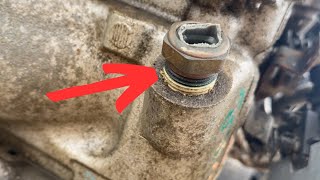
The location depends on your engine. For 2011-2016 models with the 3.6L V6, the sensor is on the front of the engine on the driver's side, down below the valve cover near the thermostat housing. For 2008-2010 models with the 3.3L or 3.8L V6, it is located on the back of the engine, underneath the ignition coil pack, which must be removed for access.
Can I replace the ECT sensor myself?
Yes, this is a DIY-friendly job for most home mechanics. The main challenge is tight access, especially on the 3.6L engine. 🎬 Watch this 2011-2016 3.6L sensor replacement walkthrough. You will need a 19mm deep socket or wrench and a pick tool to release the connector's locking tab. Be prepared for a small amount of coolant to spill when you remove the old sensor.
What happens if I don't replace a bad coolant sensor?
Ignoring a bad ECT sensor can lead to persistent problems. You will likely suffer from poor fuel mileage, fail an emissions test, and risk the engine overheating if the cooling fans don't turn on. It can also put extra stress on other components like the catalytic converter over time.
Is it the sensor or the thermostat?
This is a common question, especially with a P0128 code. A good way to test is to see if your heater blows hot air. If the engine warms up but your heater only blows cool or lukewarm air, the thermostat is likely stuck open. If the temperature gauge is acting erratically but the engine seems to be running at a normal temperature, the sensor is the more likely culprit. Many owners choose to replace both parts at once to be safe.
Helpful Videos
Technical Specifications
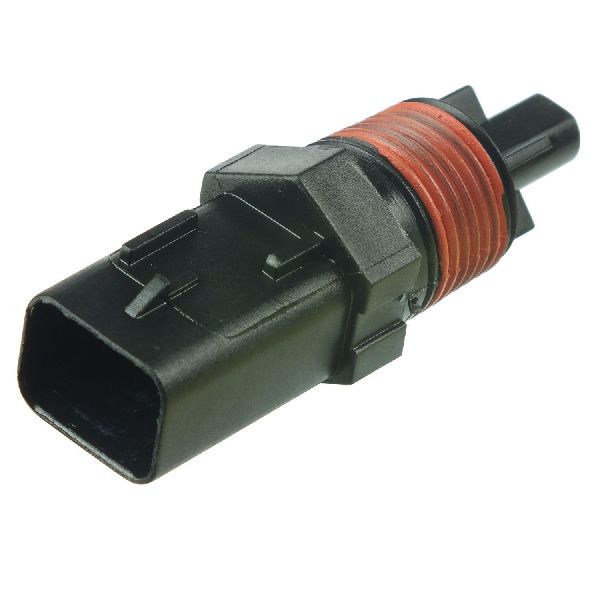
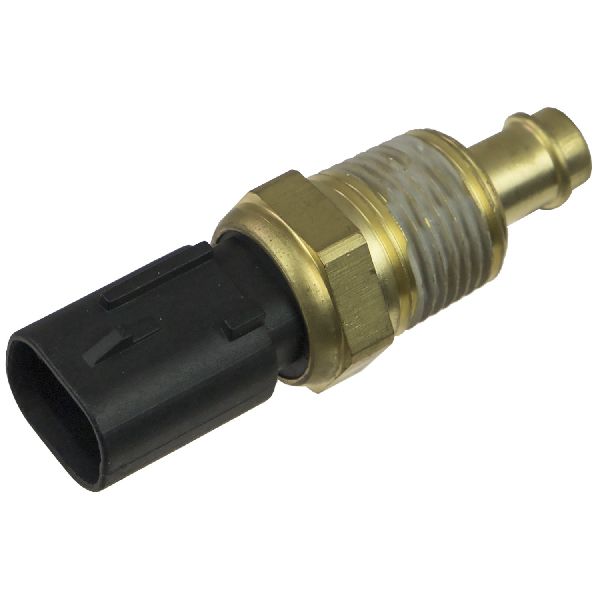
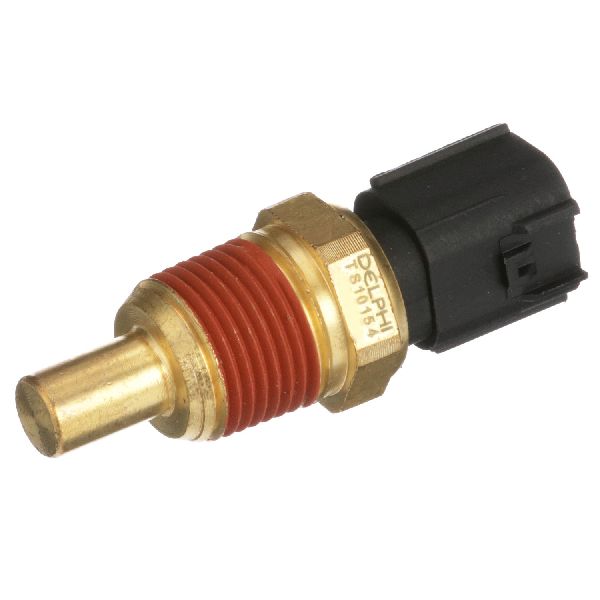
OEM Part Numbers: 5149077AB
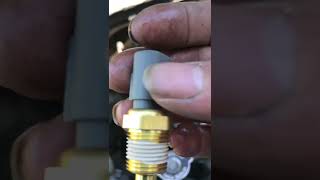
2-prong male terminal, blade type connector. Requires a 19mm (3/4") deep socket for installation.
We Have This Part in Stock


The information in this article is provided for general reference and educational purposes only. Vehicle specifications, procedures, and part compatibility can vary by production date, trim level, and region. Always consult your vehicle's factory service manual and verify part numbers before purchasing or performing repairs. Safety-critical components such as airbags, seat belts, and braking systems should be installed by a qualified professional.
- Chrysler Town & Country:
- 🎬 Helpful Videos
- 🛍️ Shop This Part
- Is Your Town & Country's Coolant Sensor Failing?
- Common Symptoms of a Bad ECT Sensor:
- A Note on Code P0128
- Choosing the Right Aftermarket Sensor
- Tier 1: OEM & Premium Aftermarket
- Tier 2: Quality Aftermarket
- Tier 3: Economy Brands
- Estimated Replacement Costs
- Frequently Asked Questions
- 🎟️ Get 5% Off