

Engine Camshaft Position Sensor Guide for the 2008-2016 Toyota Highlander
Address stalling, rough idling, or a check engine light on your Highlander by understanding its camshaft position sensors.
- Your Highlander V6 has four camshaft position sensors; use an OBD2 scanner to identify which one has failed.
- Choose a Denso aftermarket sensor for OEM quality without the dealer price tag; avoid the cheapest options.
- Most sensors are easy to replace with a single 10mm bolt, but the rear exhaust sensor on the V6 is very difficult to access.
- A bad sensor can cause stalling and no-start conditions, so it's best to replace it sooner rather than later.
Is Your Highlander Acting Up? It Could Be a Camshaft Position Sensor.


If your 2008-2016 Toyota Highlander is experiencing issues like stalling, a rough idle, difficulty starting, or poor acceleration, a failing engine camshaft position sensor is a common suspect. This sensor is crucial for engine timing, and when it starts to fail, it can cause a range of noticeable problems. Fortunately, replacing it is a straightforward job that most DIYers can handle.
Symptoms of a Failing Camshaft Position Sensor
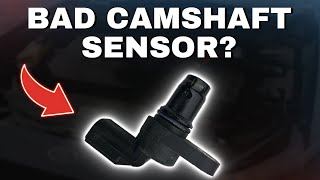
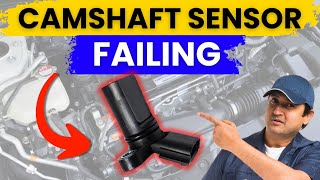
A bad camshaft sensor sends incorrect information to the engine's computer, which can throw off the engine's rhythm. Look out for these common signs:
- Check Engine Light: This is the most common symptom. A scanner will usually show codes like P0340, P0345, or others related to the camshaft position sensor circuit.
- Engine Stalling: The engine may stall unexpectedly while driving or when stopped at a light.
- Hard Starting or No Start: The vehicle may crank for a long time before starting, or it might not start at all.
- Rough Idle: You may feel noticeable vibrations or shaking when the vehicle is stationary.
- Poor Acceleration: The Highlander may feel sluggish, hesitate, or lack power when you press the gas pedal.
- Reduced Fuel Economy: Inaccurate sensor data can cause the engine to use more fuel than necessary.
How Many Sensors Does My Highlander Have?
This is a common point of confusion. The number of sensors depends on your engine:
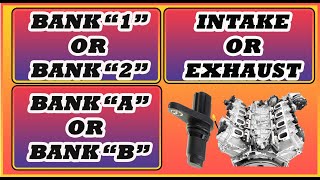
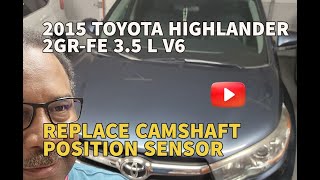
- 3.5L V6 (2GR-FE Engine): This engine has four camshaft position sensors. There is one intake and one exhaust sensor for each cylinder bank (Bank 1 is near the firewall 🎬 See how to replace the Bank 1 intake sensor., Bank 2 is at the front).
- 2.7L 4-Cylinder (1AR-FE Engine): This engine typically has two sensors, one for the intake camshaft and one for the exhaust camshaft.
It's important to identify which sensor has failed, usually by reading the specific trouble code with an OBD2 scanner.
Choosing the Right Aftermarket Sensor

When it comes to engine sensors for a Toyota, quality matters. The VVT-i system is sensitive to the signals it receives. While an OEM sensor from a Toyota dealer is always an option, high-quality aftermarket parts can offer identical performance for less money.
OEM vs. Aftermarket Quality:
The original equipment manufacturer (OEM) for many of Toyota's electronics is Denso. This means you can often buy a Denso-branded sensor from an auto parts store that is identical to the part you'd get from the dealer, just in a different box and at a lower price. For critical sensors like this, sticking with the OEM supplier or a top-tier aftermarket brand is highly recommended to avoid persistent problems. Low-quality budget sensors are known to fail quickly or provide inaccurate readings, which can lead to the same problems you were trying to fix.
Brand Tiers for Your Highlander:
- Tier 1: OEM & OEM-Equivalent Brands
These brands are known to be original equipment suppliers or are widely trusted for their quality and reliability in Toyota vehicles. They are the safest bet for a trouble-free repair.
Brands: Denso, Hitachi, NGK/NTK - Tier 2: Reputable Aftermarket Brands
These companies have a long history of producing reliable aftermarket parts. They are a solid choice if a Tier 1 brand isn't available or if you're looking for a good balance of cost and quality.
Brands: Delphi, Standard Motor Products (SMP), Walker Products - Tier 3: Budget-Friendly Options
These brands offer the lowest price but may have inconsistent quality and longevity. They can be a viable option for a temporary fix or if budget is the primary concern, but be aware that you may be replacing the part again sooner than you'd like.
Brands: Dorman, URO Parts, Spectra, Holstein
Cost of Replacing a Camshaft Position Sensor

| Item | Estimated Cost |
|---|---|
| New OEM Sensor (Dealer) | $140 - $205 per sensor |
| New Aftermarket Sensor | $27 - $176 per sensor |
| Shop Labor | $80 - $150 |
Frequently Asked Questions (FAQ)
Where are the camshaft position sensors located?
On the 3.5L V6, two sensors are on the front of the engine (Bank 2) and are easily accessible after removing the engine cover. The other two are on the rear of the engine against the firewall (Bank 1). The Bank 1 intake sensor is accessible, but the Bank 1 exhaust sensor is very difficult to reach and may require removing the intake manifold.
Can I replace just one sensor?
Yes. You only need to replace the specific sensor that has failed. An OBD2 scanner will provide a trouble code (e.g., P0345 for 'Camshaft Position Sensor Circuit Bank 2') that points to the faulty sensor's location. It is not necessary to replace them all at once.
Is this a difficult DIY job?
For the accessible sensors, this is an easy job. It typically involves removing a single 10mm bolt 🎬 Follow this step-by-step guide for a typical Highlander sensor replacement. and an electrical connector. The sensors are held in by one bolt and can be wiggled out. The rear exhaust sensor on the V6 is the exception and is much more difficult.
What happens if I ignore a bad sensor?
Ignoring a failing camshaft position sensor can lead to progressively worse symptoms, including frequent stalling, very poor fuel economy, and eventually a no-start condition that could leave you stranded. It can also potentially cause damage to your catalytic converter over time due to unburned fuel entering the exhaust.
Are there any recalls for this part?
No, there are no specific recalls from Toyota or the NHTSA for the engine camshaft position sensor on the 2008-2016 Toyota Highlander. Some unrelated recalls exist for the model years, but they do not pertain to this sensor.
Helpful Videos
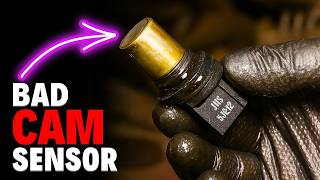
Technical Specifications
OEM Part Numbers: 90919-05007 90919-T5005
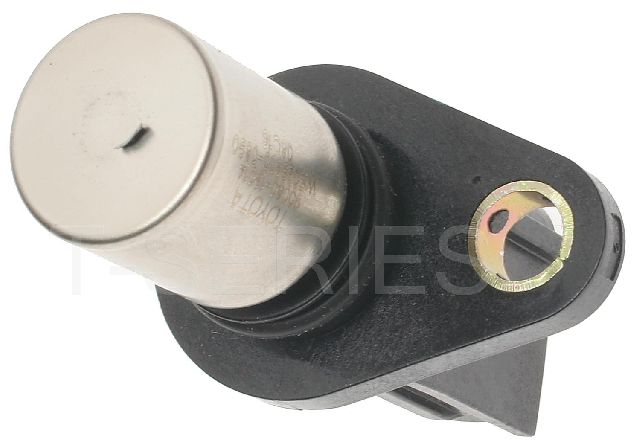
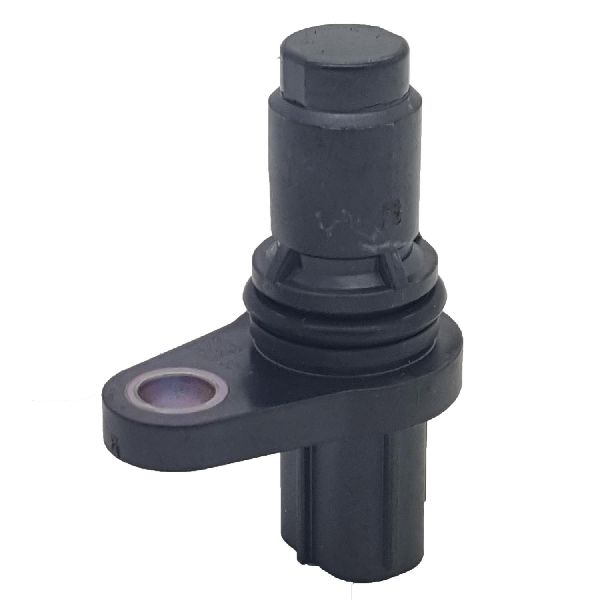
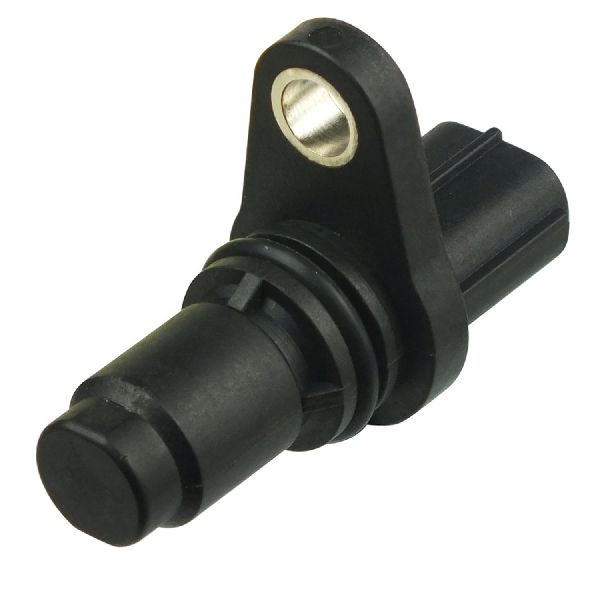
The V6 engine uses four sensors in total: two for intake camshafts and two for exhaust camshafts, split between Bank 1 (firewall side) and Bank 2 (radiator side). The 4-cylinder engine uses two sensors. The sensor is a magnetic pickup type that reads teeth on the camshaft pulley to determine position and speed.
We Have This Part in Stock

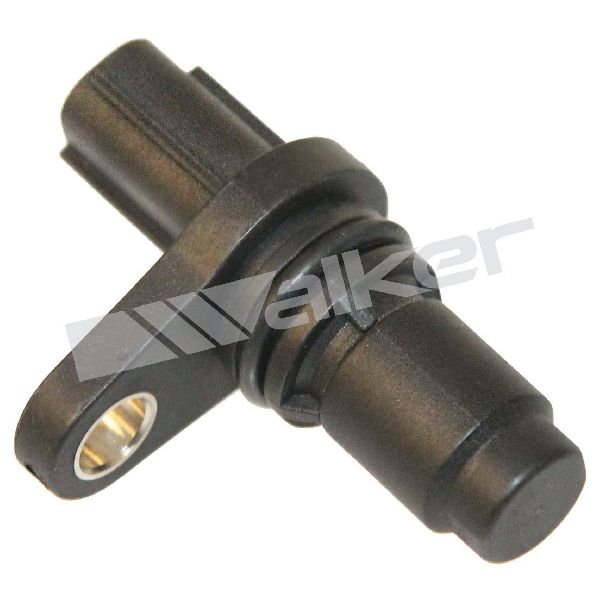

The information in this article is provided for general reference and educational purposes only. Vehicle specifications, procedures, and part compatibility can vary by production date, trim level, and region. Always consult your vehicle's factory service manual and verify part numbers before purchasing or performing repairs. Safety-critical components such as airbags, seat belts, and braking systems should be installed by a qualified professional.
- Toyota Highlander:
- 🎬 Helpful Videos
- 🛍️ Shop This Part
- Is Your Highlander Acting Up? It Could Be a Camshaft Position Sensor.
- Symptoms of a Failing Camshaft Position Sensor
- How Many Sensors Does My Highlander Have?
- Choosing the Right Aftermarket Sensor
- Brand Tiers for Your Highlander:
- Cost of Replacing a Camshaft Position Sensor
- Frequently Asked Questions (FAQ)
- 🎟️ Get 5% Off