

Choosing the Right Aftermarket Disc Brake Pads for Your 2008-2017 Audi A5
Stop wasting money on dealership brake jobs and find the perfect aftermarket pads for your A5's needs and budget.
- For rear brake pad replacement, you MUST use a diagnostic tool to put the Electronic Parking Brake (EPB) in service mode before starting.
- Aftermarket ceramic pads from brands like Akebono or Bosch can provide OEM-level performance with less brake dust.
- Always verify your A5's specific brake size (often via a PR code) before ordering parts to ensure correct fitment.
- Plan to replace brake rotors at the same time as the pads for the best and safest performance.
Signs of Worn Brake Pads
Your Audi A5 is designed to tell you when it's time for new brake pads. The most obvious sign is the brake pad warning light on your dashboard. This light is triggered by a small sensor embedded in the brake pad. When the pad wears down to a certain point, the sensor makes contact with the metal rotor, completing a circuit and turning on the light. You might also notice other symptoms:
- Squealing or Grinding Noises: A high-pitched squeal when you brake is often the first sign. If you hear a grinding sound, it means the pads are likely worn down completely, and you are hearing metal-on-metal contact, which can damage your brake rotors.
- Vibration or Pulsing: If you feel a pulsing or vibration in the brake pedal or steering wheel when you brake, it could be a sign of worn pads or warped rotors.
- Reduced Stopping Power: If your car takes longer to stop than it used to, your brake pads may be at the end of their life.
A Note on Warning Lights
Sometimes, the brake wear warning light can come on even if the pads aren't fully worn. This can be caused by a faulty sensor or damaged wiring. Conversely, don't ignore the light if it turns on and then off again; this often happens as the sensor first starts to make contact. It's always best to have your brakes visually inspected when the light appears.
Choosing the Right Aftermarket Brake Pads
When replacing your A5's brake pads, you don't have to use expensive Original Equipment Manufacturer (OEM) parts from the dealer. The aftermarket offers a wide range of quality options that can save you money and even improve performance. Aftermarket pads are generally categorized by their friction material, most commonly ceramic or semi-metallic.
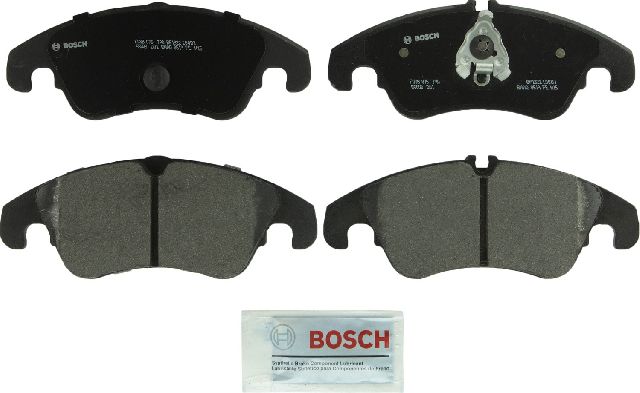
🎬 Watch a comparison of ceramic vs semi-metallic pads for your Audi.- Ceramic Pads: These are a popular upgrade for many Audi owners. They are known for being quiet, producing significantly less brake dust than OEM pads, and being gentle on rotors. For daily driving, they offer smooth, consistent stopping power. Brands like Akebono, Bosch, and Wagner are well-regarded for their ceramic options.
- Semi-Metallic Pads: These pads offer excellent performance, especially for spirited driving, as they handle heat well. However, they tend to be noisier, create more dust, and can wear rotors faster than ceramic pads. Performance-focused brands like Hawk and EBC Brakes specialize in these types of compounds.
Brand Tiers for Your Audi A5
With so many brands available, it can be tough to choose. Here’s a breakdown to help you decide:
- Premium & OEM-Equivalent: Brands like Akebono, Brembo, Pagid, Textar, and Zimmermann are often original suppliers to Audi and other German carmakers. They offer quality and fit that is equal to or better than the original parts, making them a safe and reliable choice for any A5 owner.
- Performance-Focused: If you enjoy spirited driving, consider brands like EBC Brakes, Hawk Performance, and StopTech. Their pads are designed for better bite and fade resistance at high temperatures, but may create more dust or noise during normal driving.
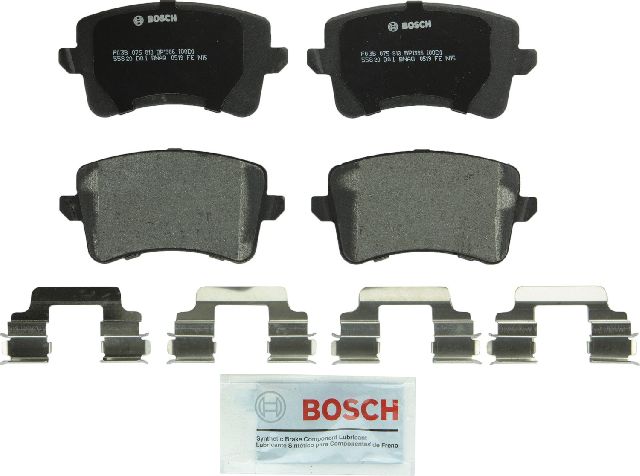
- Quality Standard: Brands like Bosch, Centric, Raybestos, and Wagner offer a great balance of performance, low noise, and value. They are a solid choice for daily driving and are often available in ceramic formulations for low dust.
- Economy: Brands like Dynamic Friction, Pronto, and Powerstop offer budget-friendly options. While they meet safety standards, they may not offer the same longevity, low noise, or low-dust characteristics of more premium brands. Powerstop is well-known for offering complete kits with pads and rotors.
Pro Tip: Check Your Brake Size
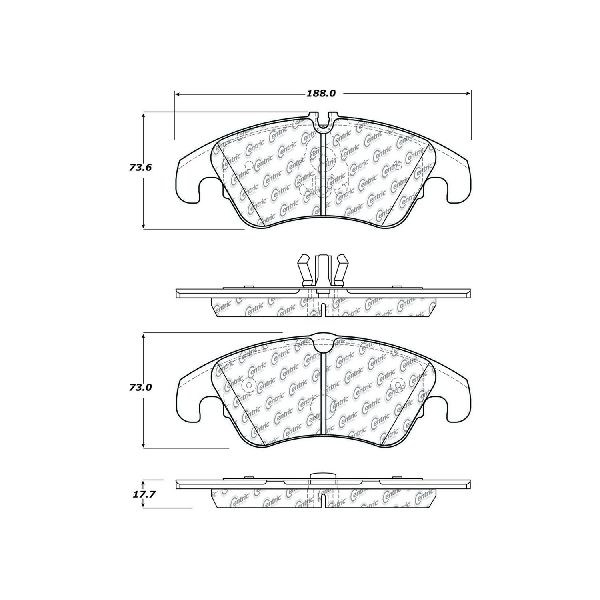
The 2008-2017 Audi A5 was available with different engine sizes and trim levels, which often came with different brake sizes. Before ordering, it's crucial to verify if your car has the standard brakes or a larger, upgraded performance package to ensure you get pads that fit correctly. Some models have PR codes (e.g., 1LA, 1LB) on the vehicle identification sticker that specify the brake system.
Known Issues, Recalls, and TSBs
While there are no major recalls for the 2008-2017 Audi A5 brake pads, several Technical Service Bulletins (TSBs) have been issued for brake-related noises like squealing or grinding. TSB 2033674/2 specifically addresses squealing from the front brakes on 2008-2013 models with 2.0T engines and PR-1LA or 1LB brakes, recommending the application of anti-seize lubricant to caliper guide pins. Another TSB, 2061403/2, notes that on some 2017+ models, the brake pad wear indicator can come on prematurely due to an improperly crimped sensor wire. Owners also report issues with the electronic parking brake (EPB) system, which can sometimes fail due to corroded wiring or faulty control modules.
DIY Replacement vs. Professional Installation
Replacing brake pads on an Audi A5 is a manageable DIY job for someone with mechanical experience and the right tools. However, there's a critical step for the rear brakes: the electronic parking brake (EPB). You cannot simply press the rear caliper pistons back in. You must use a diagnostic scan tool (like VCDS or OBDeleven) or the car's MMI system (on some models) to put the EPB into "Service Mode" first. Failing to do this will damage the electronic caliper motors. The front brakes do not have this system and are more straightforward.
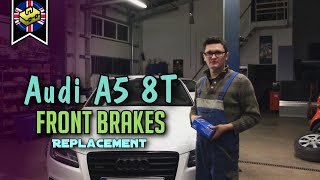
🎬 Follow this step-by-step guide to replacing your front brake pads.| Item | Estimated Cost |
|---|---|
| New Aftermarket Pads (DIY) | $30 - $224 |
| New OEM Pads (Parts Only) | $80 - $200 |
| Professional Labor (Shop) | $110 - $161 |
| Total Professional Replacement (Aftermarket) | $140 - $385 |
| Total Professional Replacement (OEM) | $419 - $512 |
Frequently Asked Questions
Do I need to replace the brake rotors with the pads?
It is highly recommended. While not always strictly necessary, installing new pads on old, worn rotors can lead to uneven braking, noise, and reduced pad life. Most shops will recommend replacing pads and rotors together for the best performance and safety.
Why are my new ceramic pads so dusty at first?
All new brake pads and rotors need to be "bedded-in." This process involves a series of controlled stops to transfer a thin, even layer of friction material from the pad to the rotor. This ensures smooth, quiet, and effective braking. The dust you see initially is a normal part of this break-in process.
What is an electronic brake pad wear sensor?
It's a small sensor with a wire loop that is embedded in the brake pad material. When the pad wears down, the sensor contacts the metal rotor, breaking the wire loop and triggering the warning light on your dashboard. Not all pads come with new sensors, so make sure the set you buy includes them or purchase them separately.
What tools do I need to change the rear brake pads on my A5?
Besides standard tools like a jack, sockets, and a caliper piston tool, you will need a diagnostic scan tool to retract the electronic parking brake (EPB). Attempting to force the piston back without putting the system in service mode will cause expensive damage to the caliper motor.
🎬 Learn how to safely put your parking brake in service mode.Helpful Videos
Technical Specifications
OEM Part Numbers: 8K0698151L 8K0698151F 8K0698151G 8T0698451A 8K0698451C
Friction Material: Ceramic or Semi-Metallic. Wear Sensor: Electronic, typically on the front-left and sometimes rear-right pad. Rear Caliper Type: Requires electronic retraction via diagnostic tool for service.
We Have This Part in Stock
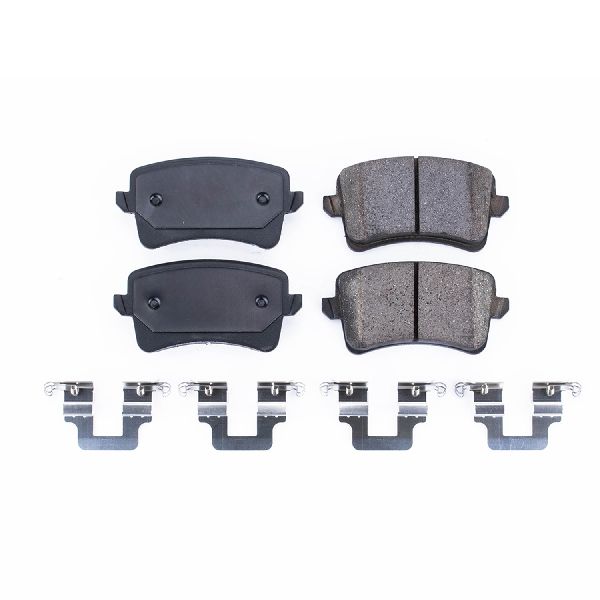
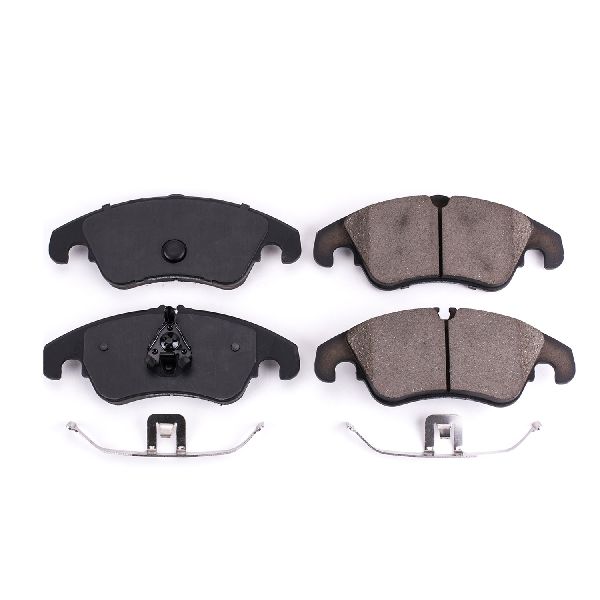
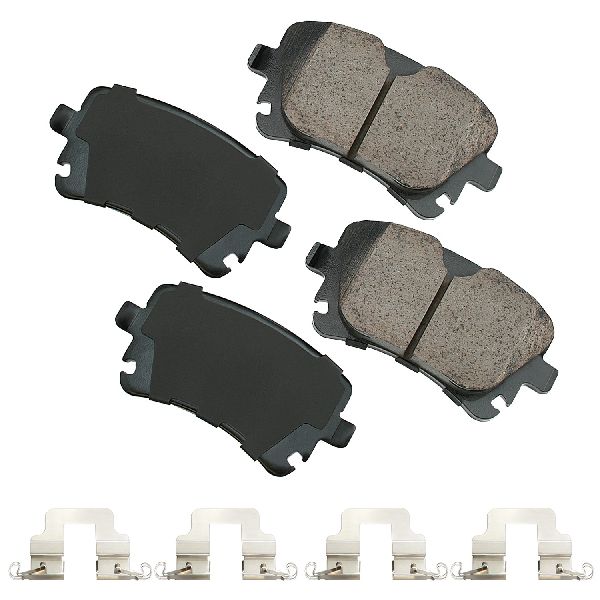

The information in this article is provided for general reference and educational purposes only. Vehicle specifications, procedures, and part compatibility can vary by production date, trim level, and region. Always consult your vehicle's factory service manual and verify part numbers before purchasing or performing repairs. Safety-critical components such as airbags, seat belts, and braking systems should be installed by a qualified professional.
- Audi A5:
- 🎬 Helpful Videos
- 🛍️ Shop This Part
- Signs of Worn Brake Pads
- A Note on Warning Lights
- Choosing the Right Aftermarket Brake Pads
- Brand Tiers for Your Audi A5
- Pro Tip: Check Your Brake Size
- Known Issues, Recalls, and TSBs
- DIY Replacement vs. Professional Installation
- Frequently Asked Questions
- 🎟️ Get 5% Off