

Audi S5 (2008-2017) Engine VVT Solenoid Failure and Replacement
Experiencing a rough idle, poor performance, or a check engine light in your S5? Your VVT solenoids could be the issue.
- Your 2008-2017 S5 has four VVT solenoids, regardless of whether it's the V8 or V6 engine.
- Common failure symptoms include a Check Engine Light with codes like P0016 or P0018, rough idle, and loss of power.
- This is a very DIY-friendly repair; the solenoids are easily accessible on the front of the engine.
- Dirty engine oil is the leading cause of failure; always change your oil and filter when replacing the solenoids.
Understanding VVT Solenoid Failure in Your S5
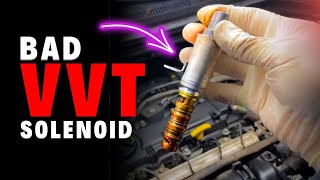
The VVT solenoids in your 2008-2017 Audi S5 are vital for the engine's complex timing system. When one or more of these solenoids fail, it disrupts the delicate balance of when your engine's valves open and close. This can happen for a few reasons, but the most common culprit is contaminated or old engine oil. Sludge and debris can clog the small passages inside the solenoid, causing it to stick or respond slowly. 🎬 Learn more about common VVT solenoid failure symptoms and causes. Electrical issues can also cause failure, but are less common.
Engine Differences: 4.2L V8 vs. 3.0L Supercharged V6
The 2008-2017 S5 was equipped with two different engines, and it's important to know which one you have:
- 2008-2012 S5 Coupe: 4.2L V8
- 2010-2012 S5 Cabriolet: 3.0L Supercharged V6
- 2013-2017 S5 (all models): 3.0L Supercharged V6
Both the V8 and V6 engines have four VVT solenoids, and they are known to be a common failure point on both platforms. While the function is the same, always ensure you are purchasing the correct part number for your specific engine, as they may differ.
Known Issues and Technical Bulletins (TSBs)
While no direct recalls exist for the VVT solenoids on the 2008-2017 S5, Audi has issued TSBs related to oil leaks around the cylinder head and valvetrain components, which can be related. For example, TSB 15-21-39 addresses oil leaks that can occur near the valvetrain actuators. A common issue is the O-ring seal on the solenoid itself degrading over time, causing oil leaks onto the front of the engine. If you see oil leaking from the front of the valve covers, a bad solenoid seal is a likely cause.
Choosing the Right Aftermarket VVT Solenoid
When replacing a VVT solenoid, you don't have to go to the dealer. High-quality aftermarket parts can offer the same performance and reliability for a fraction of the price. Here’s a breakdown of available brands:
- Premium Aftermarket (OEM-quality): Brands like Vaico, Standard Ignition (SMP), and NGK often manufacture parts to OEM specifications. Vaico is a well-known supplier for German vehicles. These are excellent choices for owners who want the highest quality without the dealer markup.
- Reputable Aftermarket: Brands such as Dorman, Gates, and Walker Products provide reliable, vehicle-specific replacements that balance cost and quality. Dorman is known for re-engineering parts to fix original design flaws.
- Value-Oriented: Brands like Spectra and Holstein offer a cost-effective solution. While they meet basic fit and function requirements, their long-term durability may not match that of premium brands.
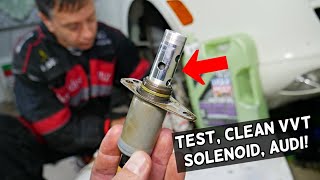
Pro Tip: Since dirty oil is the number one killer of VVT solenoids, it is highly recommended to perform an engine oil and filter change when you replace the solenoids. This helps ensure your new parts are operating in a clean environment.
🎬 Watch this guide on how to test and clean your solenoids.| Part Type | Estimated Cost |
|---|---|
| New OEM (Dealer) | $180 - $300 |
| New Aftermarket | $44 - $218 |
| Shop Labor | $100 - $250 |
Frequently Asked Questions (FAQ)
How many VVT solenoids does my Audi S5 have?
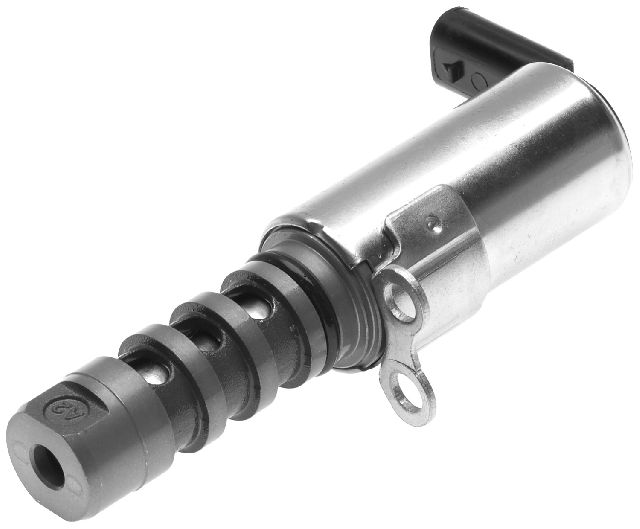
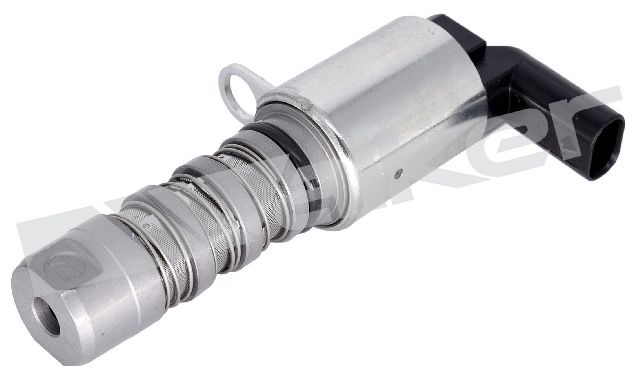
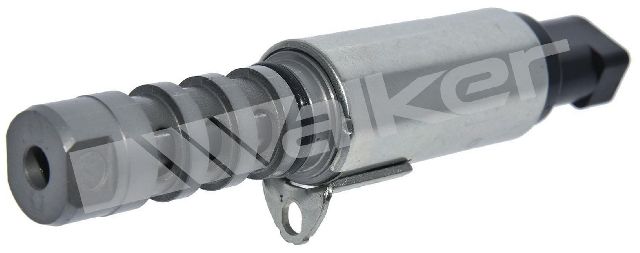
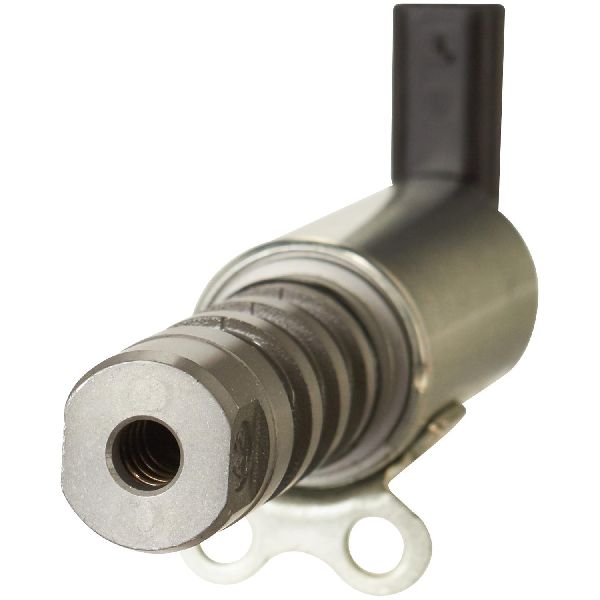
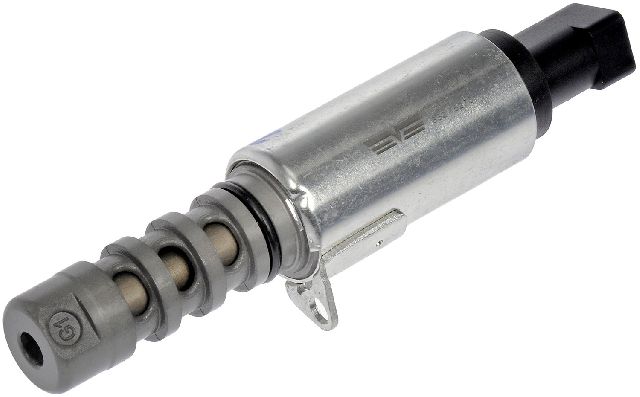
Your Audi S5, whether it has the 4.2L V8 or the 3.0L V6, is equipped with four VVT solenoids (camshaft adjuster magnets). There is one for each camshaft (two intake and two exhaust).
Can I replace just one failed solenoid?
Yes, you can replace only the faulty solenoid. However, they are all the same age and have been subjected to the same conditions. If one has failed, the others may not be far behind. For peace of mind, especially on higher-mileage vehicles, it is good practice to replace them in pairs (both intake or both exhaust) or all four at once.
Is this a DIY-friendly repair?
Yes, for most mechanically inclined owners, this is a very manageable DIY job. The solenoids are located on the front of the cylinder heads and are typically held in by just one or a few bolts. The process involves unplugging the electrical connector, removing the bolt(s), and carefully pulling the old solenoid out.
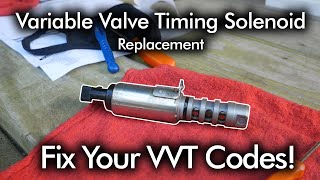
🎬 See how to replace your cam adjuster solenoid and fix VVT codes.What's the difference between a VVT solenoid and a camshaft position sensor?
They work together but have different jobs. The camshaft position sensor reads the exact position of the camshaft and reports it to the engine computer (ECU). The VVT solenoid is an actuator that takes commands from the ECU to physically change the camshaft's position by directing oil flow. A bad sensor tells the ECU incorrect information, while a bad solenoid fails to execute the ECU's command.
Helpful Videos
Technical Specifications
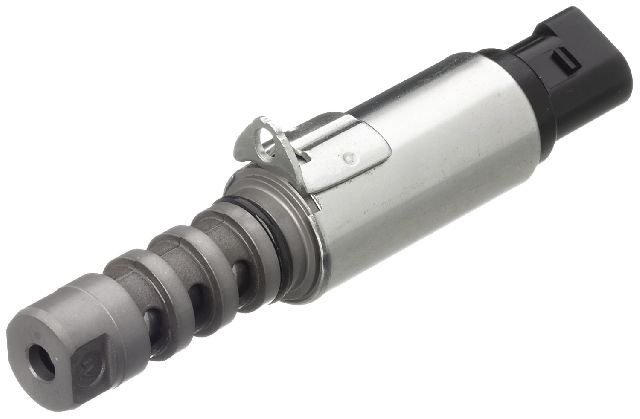
OEM Part Numbers: 06E109257P 06E109257J 06E109257F 06E109257L 06E109257T 06M906048F
Number of Solenoids: 4. Location: Front of cylinder heads. Activation Type: Electromagnetic. Common Tools: T20/T30 Torx socket, ratchet.
We Have This Part in Stock

The information in this article is provided for general reference and educational purposes only. Vehicle specifications, procedures, and part compatibility can vary by production date, trim level, and region. Always consult your vehicle's factory service manual and verify part numbers before purchasing or performing repairs. Safety-critical components such as airbags, seat belts, and braking systems should be installed by a qualified professional.
- Audi S5: