

A/C Receiver-Drier (Desiccant) Guide for the 2008-2017 Chevrolet Caprice
If you're looking for an A/C accumulator for your Caprice, you need to read this first.
- Your Caprice uses a receiver-drier (desiccant bag) inside the condenser, NOT an A/C accumulator.
- The desiccant bag MUST be replaced any time the A/C system is opened for other repairs.
- This is not a DIY job as it requires professional refrigerant handling equipment.
- A new aftermarket desiccant bag from a brand like Spectra is a perfectly acceptable and cost-effective choice for this part.
Understanding the A/C System on Your 2008-2017 Caprice
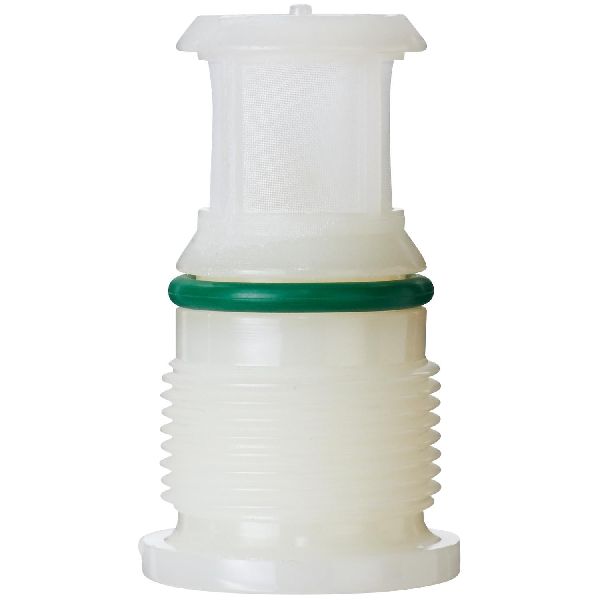
Many vehicle owners are familiar with the term 'A/C accumulator.' However, it's crucial to know that your 2008-2017 Chevrolet Caprice does not use one. Instead, it has a component called a receiver-drier, which performs a similar job in a different type of A/C system. On the Caprice, this isn't a large, separate can. It's a small, serviceable bag filled with desiccant (a moisture-absorbing material) that slides into a chamber built into the side of the A/C condenser. This is a common point of confusion, and ordering an 'accumulator' will get you the wrong part.
Symptoms of a Saturated Receiver-Drier Desiccant
The desiccant bag itself doesn't typically 'fail' in a way that causes immediate, noticeable problems on its own. Its failure is more about becoming saturated and unable to protect the system, which leads to other parts failing. The most common symptoms that require its replacement are tied to other A/C services:
- Weak or No A/C Cooling: While many issues can cause this, it often leads to a repair where the system is opened. If the system has been opened to the air, the desiccant is now saturated and must be replaced.
- Visible Refrigerant Oil Leak: Forum users often report A/C problems starting with leaks from hoses or the compressor. When replacing these parts, you must also replace the desiccant bag.
- Internal A/C System Damage: If your A/C compressor has failed, metal particles may have contaminated the system. During a flush and compressor replacement, a new desiccant bag is mandatory to ensure the new compressor is protected.
Mandatory Replacement Rule
The desiccant material inside the receiver-drier bag absorbs moisture from the air almost instantly. You must replace the desiccant bag any time the A/C system is opened for service (like replacing a hose or compressor). Failing to do so will introduce moisture into the system, leading to corrosion, blockages, and the rapid failure of your new parts. Not replacing it will also void the warranty on a new A/C compressor.
Choosing the Right Aftermarket Part
For a simple part like a desiccant bag, you do not need to buy an expensive OEM part. A new aftermarket part is a cost-effective and reliable choice. The most important thing is that the part is new and remains sealed in its packaging until the moment of installation.
- Standard Aftermarket (Spectra, Four Seasons, UAC): Brands like Spectra offer a range of A/C components. While online forums show mixed reviews for complex parts like fuel pumps, a simple, sealed desiccant bag is a low-risk, standard replacement part. The quality lies in the material being fresh and dry, which any reputable new part will provide.
Pro Tip: Check for Kits
When replacing a major component like a condenser or compressor, look for kits that include the necessary gaskets and a new desiccant bag. This often saves money and ensures you have all the small parts needed for the job.
Estimated Replacement Costs
The cost of the desiccant bag itself is very low. The main expense is the professional labor required to handle the refrigerant and access the part.
| Part/Service | Estimated Cost |
|---|---|
| New Aftermarket Desiccant Bag | $15 - $35 |
| Shop Labor (Evacuate, Replace Bag, Recharge) | $235 - $350+ |
| Total Estimated Cost | $250 - $385 |
Frequently Asked Questions
Can I replace the A/C desiccant bag myself?
While physically swapping the bag is simple once the condenser is accessed, the job requires specialized, expensive equipment to safely and legally evacuate the refrigerant from the system before starting and to vacuum-test and recharge it afterward. For this reason, it is not a DIY job for most home mechanics.
Is a receiver-drier the same as an accumulator?
No. They perform a similar function of removing moisture, but they are used in different A/C system designs. Accumulators are on the low-pressure side in systems with an orifice tube. Receiver-driers are on the high-pressure side in systems with an expansion valve, like your Caprice.
Are there any recalls for the Caprice A/C system?
No, as of early 2026, there are no recalls from the NHTSA specifically for the A/C receiver-drier or other major A/C components on the 2008-2017 Chevrolet Caprice. Recalls were issued for other items like seat belts and power steering, but these do not affect the A/C system.
Do I need to add oil when replacing the desiccant bag?
Typically, no oil is added to the desiccant bag itself. However, when the A/C system is serviced, the technician will add the correct amount of PAG oil to the system as a whole, often into the new compressor or condenser, to compensate for any oil lost during the repair. Following the service manual for oil capacity is critical.
Technical Specifications
System Type: Expansion Valve. Part Type: Receiver-Drier Desiccant Element. Location: Integrated into A/C Condenser.
We Have This Part in Stock

The information in this article is provided for general reference and educational purposes only. Vehicle specifications, procedures, and part compatibility can vary by production date, trim level, and region. Always consult your vehicle's factory service manual and verify part numbers before purchasing or performing repairs. Safety-critical components such as airbags, seat belts, and braking systems should be installed by a qualified professional.
- Chevrolet Caprice: