

Chevrolet Caprice Ignition Knock Sensor: A Vehicle-Specific Guide (2008-2017)
Understanding knock sensor issues and choosing the right replacement for your 6.0L V8 or 3.6L V6 Caprice.
- For the 6.0L V8, sensors are on the side of the block, making replacement much easier than on other GM vehicles.
- Stick with high-quality brands like Delphi or AC Delco; cheap sensors are known to fail quickly on these engines.
- Correct torque (around 15 ft-lbs) is critical for the new sensor to work properly.
- A bad knock sensor will cause poor performance and fuel economy as the engine runs in a protective 'safe mode'.
Understanding Knock Sensor Failure in Your Caprice
The Chevrolet Caprice, particularly the 2011-2017 Police Patrol Vehicle (PPV) models, relies on its knock sensors to maintain the health and performance of its V8 and V6 engines. When a knock sensor fails, the ECM can no longer detect engine knock. To protect the engine, it will default to a very conservative 'safe mode,' which significantly reduces engine power and hurts fuel economy. Ignoring a faulty knock sensor can lead to poor performance and, in rare cases, could mask a serious engine problem that could lead to damage.
Common Symptoms of a Bad Knock Sensor
A failing knock sensor will almost always trigger the Check Engine Light. You might also notice:
- Reduced Engine Power: The car will feel sluggish and accelerate slowly.
- Poor Fuel Economy: You'll notice you're filling up the tank more often.
- Engine Pinging or Knocking: An audible metallic tapping sound, especially under acceleration, though the ECM often prevents this even with a bad sensor.
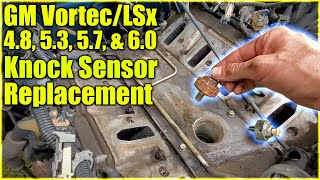
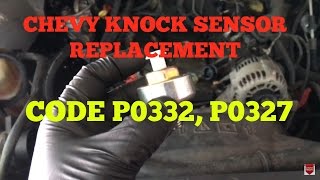
- Illuminated Check Engine Light: The most common sign, with codes like P0325, P0327, P0330, or P0332. 🎬 Watch this guide on diagnosing and replacing GM V8 knock sensors.
Pro Tip: V8 Location is a Relief
Unlike many other GM V8 vehicles of the era that hide the knock sensors under the intake manifold, the 6.0L V8 in the Caprice PPV has its two knock sensors located on the sides of the engine block, below the exhaust manifolds. 🎬 See a walkthrough of the replacement process for 6.0L engines. This makes them much easier to access and replace, saving significant time and labor costs.
Choosing the Right Aftermarket Knock Sensor
When it comes to engine sensors, quality matters. While many brands are available, forum discussions among GM owners show a clear preference.
Tier 1: Recommended Brands
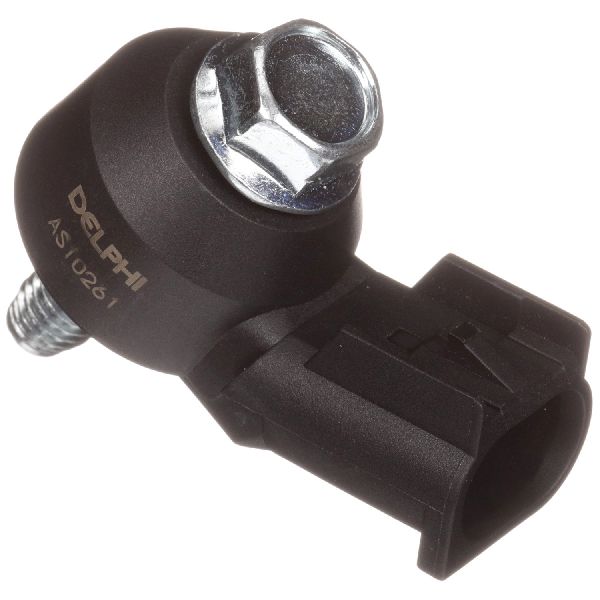
- Delphi: Widely regarded as the Original Equipment Manufacturer (OEM) for General Motors. Choosing Delphi is essentially like buying the original part without the dealer markup. Quality and fit are identical to stock.
- AC Delco: This is GM's own parts brand. It's a guaranteed fit and is highly recommended by mechanics and owners. Often, the part in an AC Delco box is made by Delphi.
- NGK (NTK): NGK, operating under their NTK electronics brand, is a reputable Japanese manufacturer known for high-quality sensors. They are a solid alternative to OEM.
Tier 2: Usable, With Caution
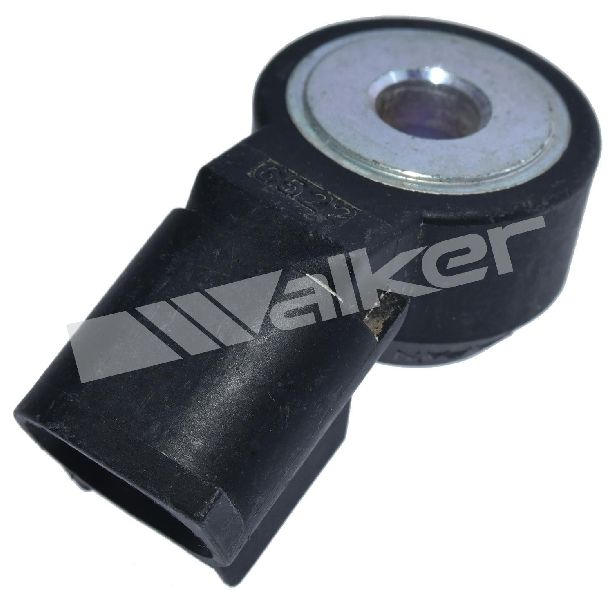
- Standard Ignition (SMP), Holstein, Walker Products: These are established aftermarket brands that produce a wide range of parts. While generally acceptable, for a critical sensor like this, most experienced owners recommend spending a few extra dollars for a Tier 1 brand to ensure reliability and avoid doing the job twice.
Tier 3: Brands to Avoid
- Store Brands & No-Name Online Parts: Forum users frequently report issues with house brands and the cheapest sensors found on sites like eBay or Amazon. These parts have a higher failure rate, sometimes failing right out of the box or within a few months. Given the importance of the sensor, it's not worth the risk.
Cost of Replacing a Chevrolet Caprice Knock Sensor
| Part/Service | Estimated Cost |
|---|---|
| New Aftermarket Knock Sensor | $15 - $47 |
| New OEM Knock Sensor | $45 - $90 |
| Shop Labor | $100 - $200 |
| Total Job Cost (Shop) | $115 - $290 (per sensor) |
Note: Costs are estimates and can vary by location and vehicle engine (V6 vs V8). Your Caprice has two knock sensors. While you can replace just the failed one, it's often wise to replace them in pairs if the vehicle has high mileage.
Frequently Asked Questions
Can I drive with a bad knock sensor?
You can, but it's not recommended for long. Your engine will be in a low-power 'limp mode' to protect itself, making the car feel very sluggish. It's best to get it replaced soon to restore normal performance and fuel economy.
Where are the knock sensors located on my Caprice?
On the 6.0L V8 engine, there are two sensors. They are located on the exterior sides of the engine block, one per side, usually below the exhaust manifolds. On the 3.6L V6, they are typically located in the valley between the cylinder heads, under the intake manifold.
Do I need to replace the wiring harness too?
It's a good idea to inspect the wiring harness connector when you replace the sensor. The plastic and wires can become brittle from heat over time. If the connector or wires look cracked, corroded, or damaged, you should replace the harness pigtail to ensure a good connection.
Are there any recalls for this part?
No. There are no specific recalls or common Technical Service Bulletins (TSBs) from Chevrolet for knock sensor failure on the 2008-2017 Caprice.
Is it important to torque the knock sensor correctly?
Yes, this is critical. The sensor works by detecting vibrations, so it must be tightened to a specific torque setting (usually around 15 ft-lbs for LS engines) to function correctly. Over-tightening or under-tightening can cause it to send incorrect signals or not work at all.
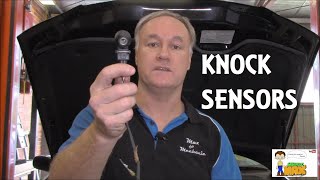
🎬 Learn more about how knock sensors function and why torque matters.Helpful Videos
Technical Specifications
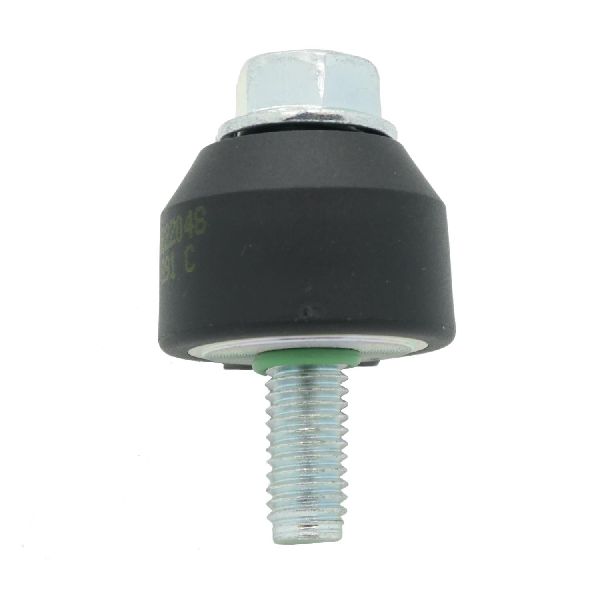
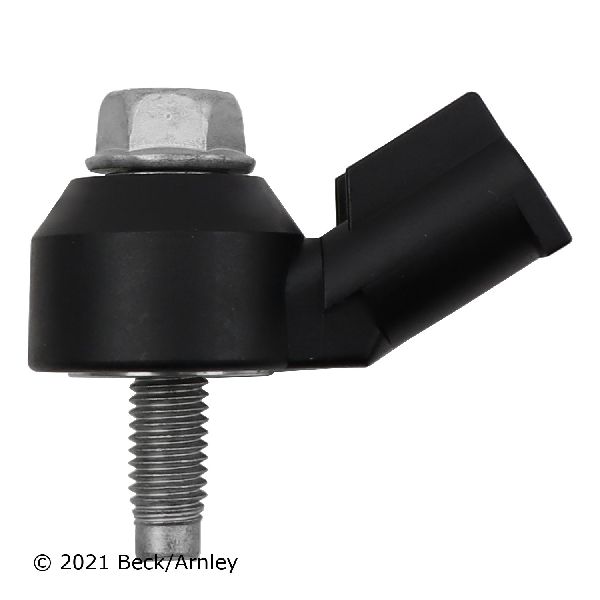
OEM Part Numbers: 12623730 12589867 10456126
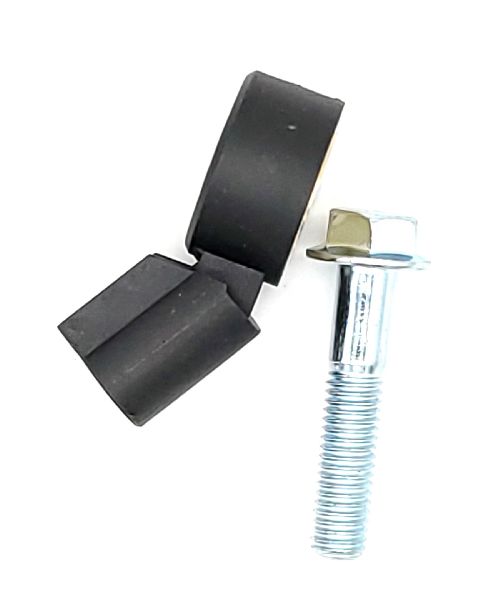
Piezoelectric acoustic sensor. Torque specification is critical for proper function (approx. 15 ft-lbs or 20 Nm).
We Have This Part in Stock


The information in this article is provided for general reference and educational purposes only. Vehicle specifications, procedures, and part compatibility can vary by production date, trim level, and region. Always consult your vehicle's factory service manual and verify part numbers before purchasing or performing repairs. Safety-critical components such as airbags, seat belts, and braking systems should be installed by a qualified professional.
- Chevrolet Caprice: