

Dodge Viper Serpentine Belt Replacement Guide for 2008-2017 Models
Keep your Viper's 8.4L V10 accessories running smoothly with the right replacement serpentine belt.
- A squealing noise is the most common early warning sign of a failing belt.
- For a Viper, choose a premium aftermarket brand like Continental or Dayco for reliability.
- If the belt fails completely, the car is not drivable and must be shut down immediately to prevent engine damage.
- If you have higher mileage, consider replacing the belt tensioner at the same time as the belt.
Is Your Viper's Serpentine Belt Failing?
A serpentine belt is a wear item. Heat and mileage cause the rubber to degrade over time. Ignoring the warning signs can leave you stranded with a disabled vehicle. Watch for these common symptoms of a bad or worn-out serpentine belt.
- Squealing or Chirping Sounds: A high-pitched squeal, especially on cold starts or during sharp turns, is the most common sign of a slipping belt.
- Accessory Problems: If your power steering feels heavy, your A/C blows warm air, or your battery light comes on, the belt may not be properly turning those components.
- Engine Overheating: The serpentine belt drives the water pump. If the belt slips or breaks, the coolant stops circulating, causing the engine to overheat quickly. This can lead to severe engine damage.
- Visible Damage: Pop the hood and look at the belt. If you see cracks, fraying, missing chunks, or a shiny, glazed surface, it's time for a replacement.
Pulley Alignment Issues
Some Viper owners have reported issues with pulley or tensioner misalignment causing premature belt wear and shredding. When replacing your belt, inspect the pulleys for any wobble and ensure the new belt is sitting straight and true on the tensioner and all pulleys.
Choosing the Right Aftermarket Serpentine Belt
For a high-performance engine like the Viper's, you don't want to compromise on quality. While an OEM Mopar belt is a safe choice, high-quality aftermarket brands offer excellent performance and value.
Brand Quality Tiers
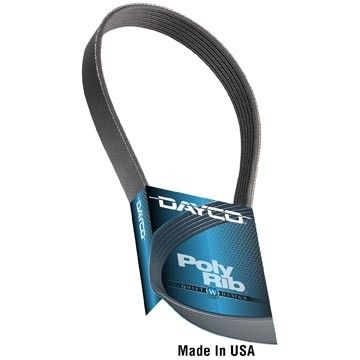
- Premium Aftermarket (Continental, Dayco): Brands like Continental and Dayco are well-respected and often supply original parts to manufacturers. They are engineered to meet or exceed OEM specifications and are a reliable choice for the Viper's demanding engine. General consensus among mechanics is that these brands are dependable for domestic performance vehicles.
- Standard Aftermarket (Replacement): A 'Replacement' branded part is a budget-friendly option. While it will function, it may not have the same longevity or advanced rubber compounds as premium brands. For a vehicle like the Viper, investing a few extra dollars in a premium brand is recommended for peace of mind.
Consider a Kit
The belt tensioner is a spring-loaded pulley that keeps the belt tight. It can also wear out, leading to a loose belt and the same symptoms as a worn belt. If your Viper has high mileage, consider replacing the belt and tensioner at the same time. Some brands offer kits that include both components.
Cost of Replacing a 2008-2017 Dodge Viper Serpentine Belt
| Part Type | Estimated Cost |
|---|---|
| New Aftermarket Belt | $30 - $60 |
| New OEM (Mopar) Belt | $90 - $140 |
| Shop Labor | $100 - $200 |
| Total Professional Replacement | $130 - $260 |
Cost estimates are approximate and can vary based on your location and the specific repair shop.
Frequently Asked Questions
How often should I replace my Viper's serpentine belt?
There is no universal mileage, but a general guideline is to inspect it every 25,000 miles and plan for replacement between 40,000 and 60,000 miles, or sooner if you see signs of wear. Age is also a factor; a 10-year-old belt should be replaced regardless of mileage.
Is an aftermarket belt good enough for a Dodge Viper?
Yes, a high-quality aftermarket belt from a reputable brand like Continental or Dayco is an excellent choice and can perform as well as the OEM part. Given the minor cost difference, it's best to avoid generic, unbranded options for this high-performance application.
What happens if the serpentine belt breaks while driving?
If the belt breaks, your engine will lose power to all its accessories instantly. You will lose power steering, making the car very difficult to steer. The alternator will stop charging the battery, and the water pump will stop circulating coolant, leading to rapid engine overheating. You should pull over immediately and safely shut off the engine.
Can I replace the Dodge Viper serpentine belt myself?
Yes, this is a job that a DIY mechanic can handle. The process involves using a 15mm wrench on a long breaker bar or serpentine belt tool to release the tensioner, removing the old belt, routing the new one correctly, and releasing the tensioner. Always make sure to disconnect the battery first and double-check the belt routing diagram.
Why is my new serpentine belt making noise?
If a new belt is noisy, the cause is often a weak tensioner, a misaligned pulley, or fluid contamination (like oil or coolant) on the belt. Some new belts may also have a brief break-in period where they make a slight whirring sound that goes away after a few hundred miles. However, a loud squeal indicates a problem that needs to be addressed.
Technical Specifications
OEM Part Numbers: 5037862AE 5037862AD 5037862AC
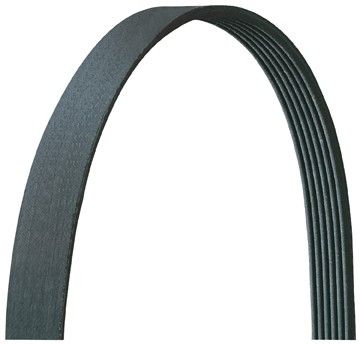
Poly-V Multi-Rib Belt
We Have This Part in Stock

The information in this article is provided for general reference and educational purposes only. Vehicle specifications, procedures, and part compatibility can vary by production date, trim level, and region. Always consult your vehicle's factory service manual and verify part numbers before purchasing or performing repairs. Safety-critical components such as airbags, seat belts, and braking systems should be installed by a qualified professional.
- Dodge Viper: