

A Comprehensive Guide to Spark Plugs for the 2008-2017 Dodge Viper
Keep your Viper's 8.4L V10 engine firing precisely on all ten cylinders with the right set of spark plugs.
- For best performance and longevity on a Viper, choose premium iridium plugs from brands like NGK or Denso.
- Due to the engine's high performance, plan to replace spark plugs every 20,000-30,000 miles, more often if you track the car.
- A swiveling spark plug socket is a highly recommended tool that makes reaching the rear cylinders much easier.
- Always check the gap before installation, even on pre-gapped plugs, to ensure it matches your vehicle's specification.
Symptoms of Failing Spark Plugs in a Viper
Worn or faulty spark plugs can significantly degrade your Viper's performance. Because the engine has ten cylinders, a single failing plug might be subtle at first, but the symptoms will become more noticeable over time. Look out for these common signs:
- Rough Idle: The engine may shake or vibrate more than usual when the car is stopped.
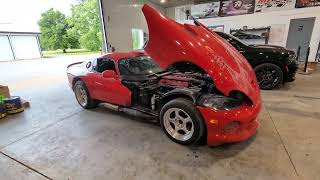
- Engine Misfires: You might feel a hesitation or stumble during acceleration. This can trigger the Check Engine Light, often with codes P0300 (random misfire) or P0301 through P0310 (for specific cylinders). 🎬 Watch this tech tip on diagnosing a misfire on a 2006 Viper.
- Reduced Power: The car may feel sluggish and less responsive than normal. A bad plug means one less cylinder is contributing its full power.
- Poor Fuel Economy: When a cylinder misfires, unburnt fuel can be wasted, leading to more frequent stops at the gas station.
- Difficulty Starting: While less common with modern ignition systems, very worn plugs can make it harder for the engine to start.
Don't Ignore Misfires
Driving for an extended period with a misfiring spark plug can allow unburnt fuel to enter the exhaust system. This can overheat and damage the catalytic converters, which are very expensive to replace.
🎬 See how a persistent misfire was finally diagnosed and fixed on this Viper.Choosing the Right Aftermarket Spark Plugs
For a high-performance engine like the Viper's 8.4L V10, not all spark plugs are created equal. While the OEM part is always a safe choice, several aftermarket brands offer excellent quality, sometimes exceeding original specifications. Here’s a breakdown of your options:
Brand Quality Tiers
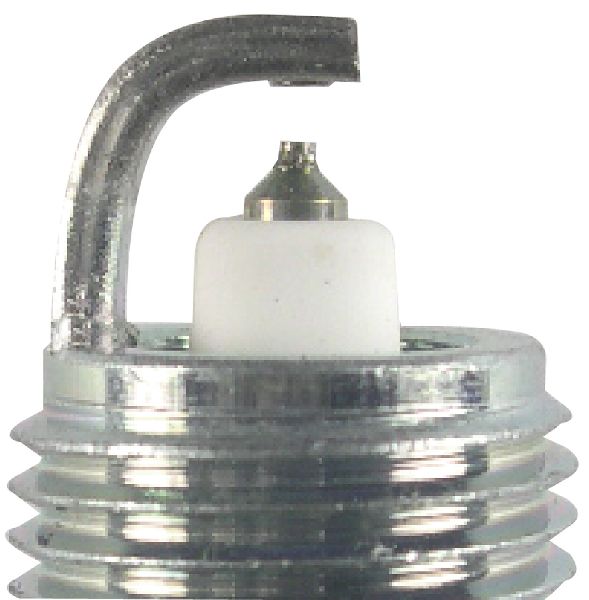
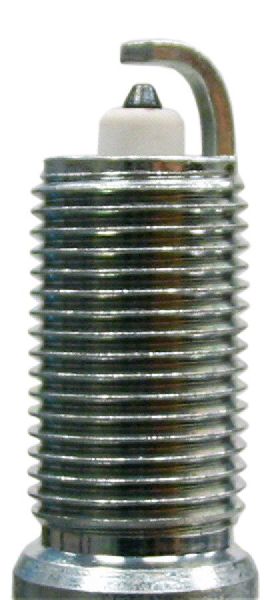
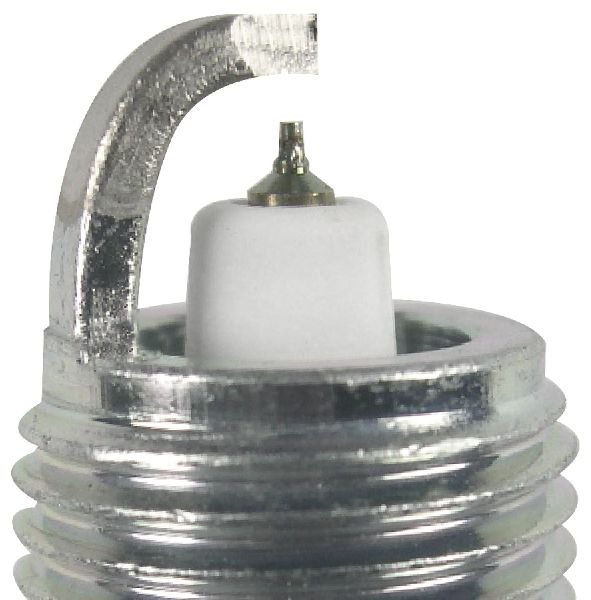
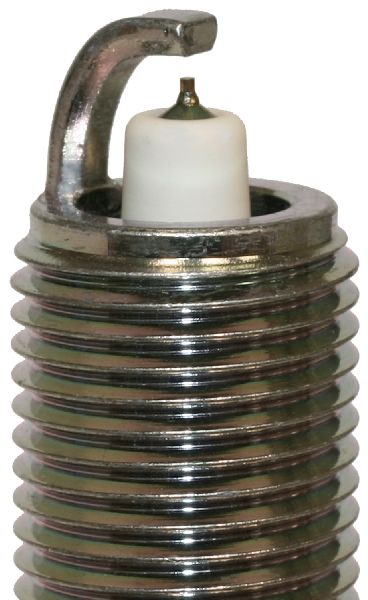
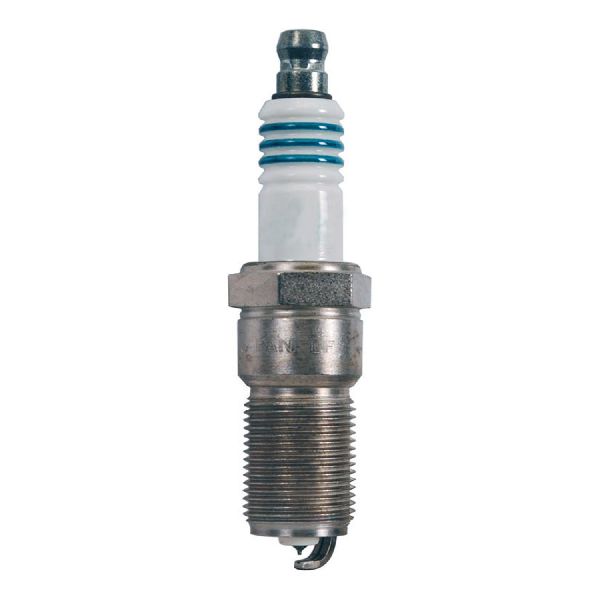
- Premium Aftermarket (NGK, Denso): These brands are highly regarded in the performance community. Many Viper owners choose NGK Iridium plugs as an upgrade for their longevity and consistent spark performance under high stress. Denso also offers high-quality iridium plugs designed for extreme conditions. These are an excellent choice if you want the best performance and durability.
- OEM-Equivalent (Champion): Champion is the original equipment manufacturer for many Mopar vehicles, including earlier Vipers. Choosing Champion plugs provides factory-level performance and is a reliable, cost-effective option for owners who want to stick with the original design.
- Standard Aftermarket (Autolite, Bosch): Autolite and Bosch are well-known brands that produce reliable spark plugs. Their platinum and iridium offerings can be a good balance between price and performance for daily driving and spirited use.
- Budget Tier (Skyward): Budget brands offer the lowest price point but may not have the same quality control, material science, or longevity as the more established brands. For a high-strung engine like the Viper's, it is generally recommended to invest in a proven brand to ensure reliability and protect your engine.
| Category | Estimated Price Range |
|---|---|
| New Aftermarket | $57.00 - $192.00 |
| New OEM (Mopar/Champion) | $150.00 - $250.00 |
| Shop Labor | $200.00 - $400.00 |
Installation Tip for Vipers
The Gen IV and Gen V Viper engines use a coil-on-plug design. Access is tighter for the rearmost cylinders. A swiveling spark plug socket is highly recommended to make the job much easier. Before removing the old plugs, use compressed air to blow any debris away from the spark plug wells to prevent it from falling into the engine cylinders.
Frequently Asked Questions
How often should I change my Viper's spark plugs?
While some modern cars have 100,000-mile intervals, the high-performance nature of the Viper engine requires more frequent changes. Most owners and specialists recommend an interval of 20,000 to 30,000 miles. Some owners who track their cars or drive aggressively change them even more often as preventative maintenance.
Are expensive iridium spark plugs worth it for a Viper?
Yes, for many owners, they are. Iridium is a very hard material with a high melting point, which means the plug's electrode erodes much slower than traditional copper or platinum plugs. This provides a more consistent spark, better performance over a longer life, and increased resistance to fouling, making them a great match for the Viper's demanding engine.
What is the correct spark plug gap for a 2008-2017 Viper?
The factory-specified gap is typically 0.050 inches. However, it's crucial to verify the correct gap for the specific plug you are installing. While most premium plugs come pre-gapped, it is always a good practice to check each one with a feeler gauge before installation.
Can I change the spark plugs on my Viper myself?
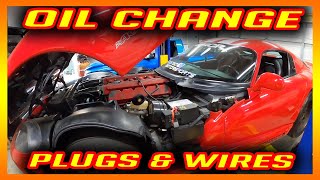
Yes, this is a DIY-feasible job for someone with moderate mechanical experience. 🎬 Watch this step-by-step spark plug service walkthrough for Gen III and IV Vipers. The process involves removing the coil covers and then the individual coil packs to access the plugs. The main challenge is reaching the rear cylinders due to tight space. Having the right tools, particularly a good socket set with extensions and a swivel adapter, is key to success.
Helpful Videos

Technical Specifications
OEM Part Numbers: 68304020AA
Engine: 8.4L V10 Quantity Required: 10 Common Aftermarket Type: Iridium Common Aftermarket Part: NGK LZTR5AIX-13 (2314) Torque Specification: 13 ft-lbs (18 N-m) Spark Plug Gap: 0.050 in
We Have This Part in Stock
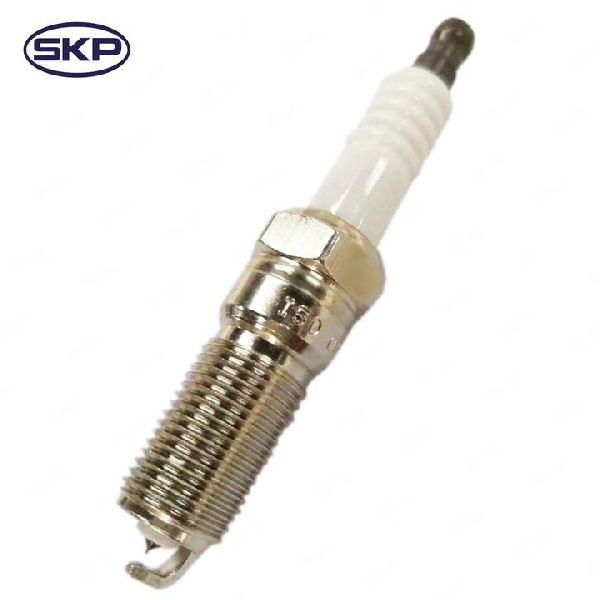

The information in this article is provided for general reference and educational purposes only. Vehicle specifications, procedures, and part compatibility can vary by production date, trim level, and region. Always consult your vehicle's factory service manual and verify part numbers before purchasing or performing repairs. Safety-critical components such as airbags, seat belts, and braking systems should be installed by a qualified professional.
- Dodge Viper: