

A Guide to Replacing Disc Brake Pads on Your 2008-2017 Mitsubishi Lancer
Choosing the right brake pads for your Lancer is crucial for safety and performance; here’s what you need to know.
- Verify your Lancer's trim level before buying; Ralliart and Evo models require different, specific brake parts.
- For most daily drivers, premium aftermarket ceramic pads from brands like Akebono offer the best balance of quiet performance and value.
- Performance pads from EBC or Hawk offer superior stopping power but will create more dust and potential noise.
- Always service and lubricate caliper slide pins during a brake job to prevent uneven wear and premature failure.
Signs of Failing Brake Pads
Your Lancer will give you clear warnings when its brake pads are nearing the end of their life. Ignoring these signs can lead to more expensive repairs and unsafe driving conditions. Be alert for the following symptoms:
- High-Pitched Squealing: Most brake pads have a small metal tab called a wear indicator. When the pad material wears down, this tab scrapes against the rotor, creating a loud squeal to alert you it's time for a replacement.
- Grinding Noises: If you hear a deep, metallic grinding sound, it means the pad material is completely gone. You are now hearing metal-on-metal contact between the caliper and the rotor, which can cause severe damage. Stop driving the vehicle as soon as possible.
- Vibration or Pulsating: If you feel a pulsing or vibration in the brake pedal or steering wheel when braking, it could mean your brake rotors are warped. This often happens alongside worn pads.
- Longer Stopping Distances: If your car takes longer to stop than it used to, your brake pads may be worn out or "glazed," reducing their effectiveness.
Check Your Lancer Trim Level!
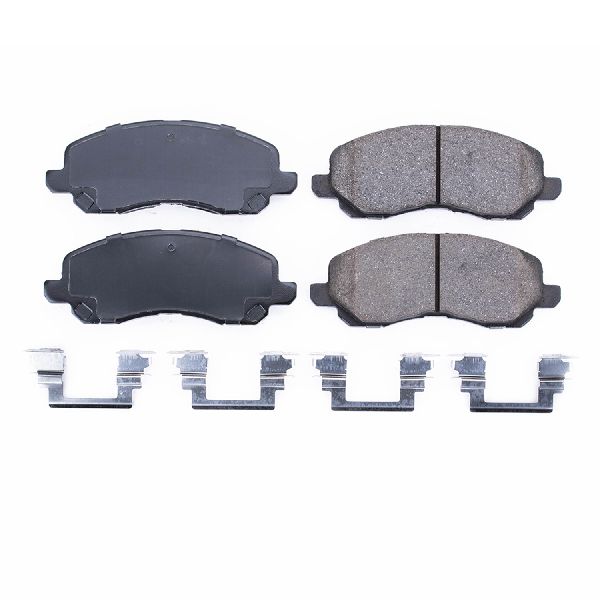
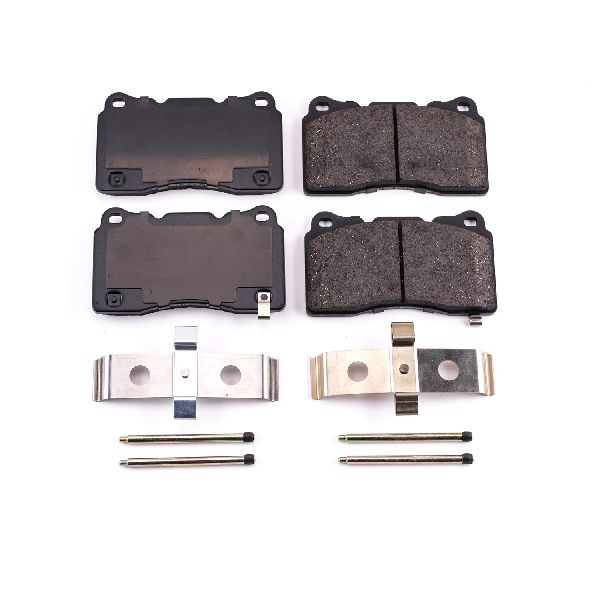
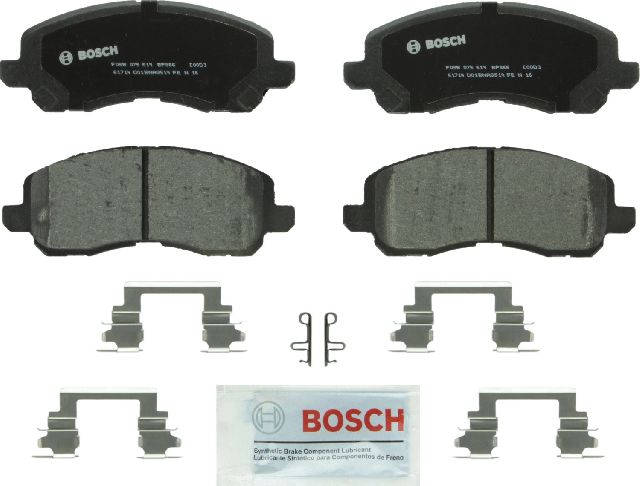
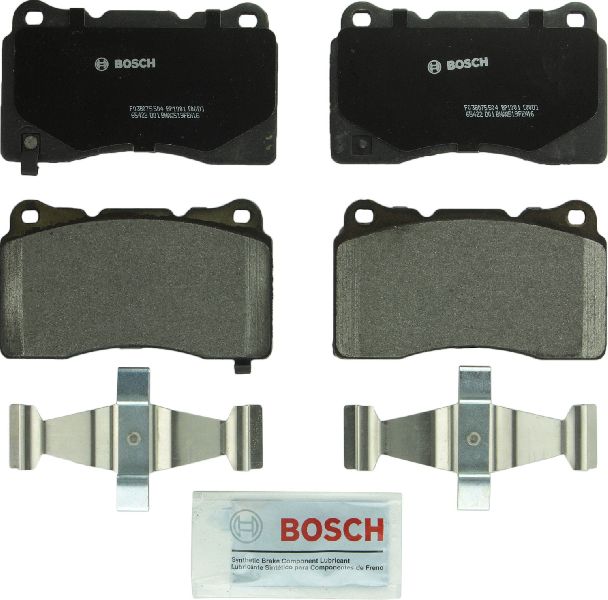
The 2008-2017 Mitsubishi Lancer came in several versions. Standard models like the DE, ES, and GTS use one type of brake system. However, the high-performance Ralliart and Lancer Evolution (Evo) models use completely different, larger brake systems, often made by Brembo. The brake pads listed here are for standard models and will not fit a Ralliart or Evo. Always confirm the part fits your specific trim level before purchasing.
Choosing the Right Aftermarket Brake Pads
Aftermarket brake pads offer a wider range of options and better value compared to expensive OEM pads. They are generally categorized by their material and intended use. For your Lancer, you can choose between pads designed for quiet daily driving or pads built for aggressive, high-performance use.
Brand Tiers for Your Lancer
Based on owner feedback and brand reputation, here’s how available brands stack up:
- Premium Daily Driver (OEM-Quality): These pads are perfect for most Lancer owners. They offer a quiet ride, low dust, and reliable stopping power, often meeting or exceeding the quality of the original parts. Look for brands like Akebono, which is highly recommended by owners for its quality, and premium lines from Bosch, Raybestos, and Wagner Brakes.
- Performance Street: If you drive your Lancer more aggressively or just want a stronger initial bite, these pads are a great upgrade. They can handle higher temperatures but often produce more brake dust and may occasionally make noise. Top choices in this category include EBC Brakes (Redstuff), Hawk Performance, and Powerstop (Z23).
- Economy & Value: For budget-conscious repairs, these pads provide safe, basic transportation. They may not be as quiet or last as long as premium options. Brands include Centric, Dynamic Friction, Pronto, and Total Stopping Solutions.
Pro Tip: Inspect and Service Your Calipers
When changing your brake pads, always inspect the caliper slide pins. Seized or sticky pins are a common issue that causes uneven pad wear. Clean the old grease off the pins and lubricate them with a small amount of high-temperature brake grease to ensure the caliper can move freely. This simple step prevents premature brake failure.
Known Issues: 2008-2009 Brake Booster Recall
For 2008-2009 Lancer models with automatic or CVT transmissions, a recall was issued for a faulty brake booster check valve (NHTSA Recall #09V077000). This could lead to a temporary loss of power brake assist at low speeds, increasing stopping distance. While this is not a brake pad issue, it is a critical safety recall for the brake system. You can check with a Mitsubishi dealer to see if your vehicle was affected and if the recall work was completed.
| Tier | Typical Price Range | Best For |
|---|---|---|
| Economy & Value | $25 - $50 | Basic transportation, budget repairs |
| Premium Daily Driver | $50 - $100 | Quiet, low-dust, everyday commuting |
| Performance Street | $100 - $250+ | Spirited driving, improved stopping power |
Frequently Asked Questions (FAQ)
Do I need to replace my rotors when I replace my pads?
Not always, but it is highly recommended. If your rotors are below the minimum thickness specified by the manufacturer, or if they show signs of warping (vibration when braking), heavy grooving, or discoloration, they must be replaced. Installing new pads on old, worn rotors can cause noise and reduce braking performance.
What's the difference between ceramic and semi-metallic pads?
Ceramic pads are known for being very quiet and producing very little dust, making them ideal for daily driving. Semi-metallic pads contain metal fibers that help dissipate heat and provide a stronger bite, making them better for performance driving, but they are often noisier and dustier.
Why are my new brakes making noise?
New brakes can sometimes make noise during the first few hundred miles. This is part of the "bedding-in" process, where the new pad material transfers a thin layer onto the rotor. Some performance pads are also naturally noisier than standard pads. However, if you hear grinding or a constant squeal, the pads may have been installed incorrectly, or there could be an issue with the caliper or hardware.
Is it difficult to change Lancer brake pads myself?
Replacing the front brake pads on a Lancer is a straightforward job for a DIY mechanic with the right tools. The rear brakes are more complex because the caliper piston must be twisted and compressed at the same time, which requires a special brake caliper tool. If you don't have this tool, it's best to have a professional handle the rear brake job.
Technical Specifications
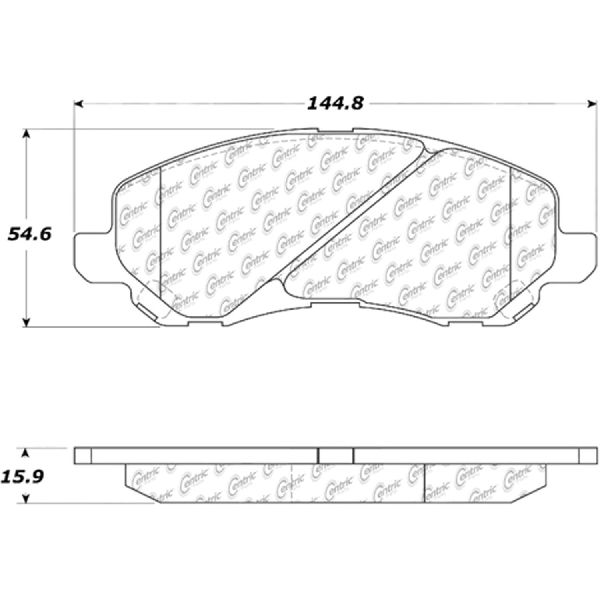
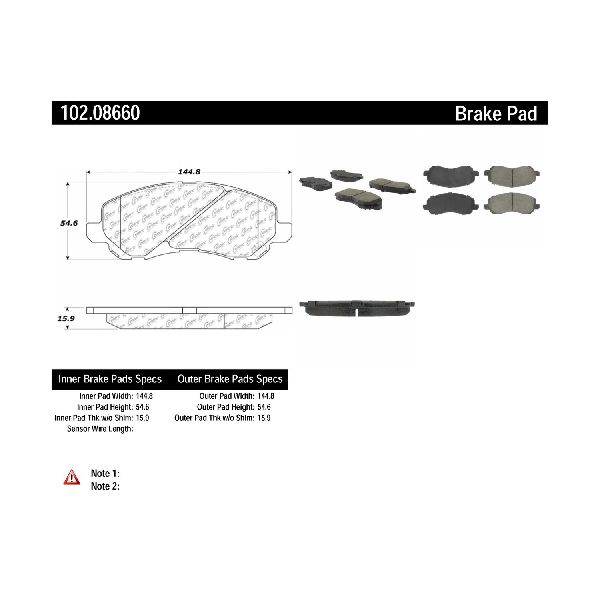
OEM Part Numbers: 4605A557 4605A491 4605B070 MN102618
Brake pad fitment varies by trim level (DE, ES, GTS) and model year. Standard models use a single-piston floating caliper. Ralliart and Evolution models use multi-piston fixed calipers (often Brembo) and require different pads. Always verify fitment with your vehicle's VIN.
We Have This Part in Stock

The information in this article is provided for general reference and educational purposes only. Vehicle specifications, procedures, and part compatibility can vary by production date, trim level, and region. Always consult your vehicle's factory service manual and verify part numbers before purchasing or performing repairs. Safety-critical components such as airbags, seat belts, and braking systems should be installed by a qualified professional.
- Mitsubishi Lancer: