

A Guide to Replacing Disc Brake Rotors on Your 2008-2017 Mitsubishi Lancer
Stop the noise and vibration by choosing the right new brake rotors for your Lancer.
- Vibration when braking is the most common sign of a warped rotor on a Lancer.
- Always replace brake pads and rotors together as a set for balanced and safe braking.
- Be aware of a specific TSB for noise caused by front brake pad clips contacting the rotor.
- For 2008-2009 models, a recall for the brake booster valve could cause a hard pedal feel.
Signs of Failing Brake Rotors on a Lancer


When your brake rotors wear out, they will give you clear warning signs. Ignoring them can lead to more expensive repairs and unsafe driving conditions. Listen and feel for these common symptoms.
- Vibration or Pulsating: The most common symptom is a shaking or pulsating feeling in the steering wheel or brake pedal when you apply the brakes. This is often caused by "warping," where the rotor surface has become uneven from heat. This is also known as disc thickness variation (DTV). 🎬 See a visual explanation of how warped rotors cause vibration.
- Scraping or Grinding Noises: A loud grinding or scraping sound means the brake pads have likely worn down completely, and the metal backing plate is digging into the rotor. This causes severe damage and requires immediate attention.
- Squealing or Squeaking: While often a sign of worn brake pads, a persistent, high-pitched squeal can also indicate a problem with the rotor surface itself.
- Visible Damage: Look at the rotor through your wheel spokes. If you see deep grooves, scoring, or a noticeable lip on the outer edge, the rotor is worn and needs replacement. A blueish tint on the metal indicates the rotor has been severely overheated.
Vehicle-Specific Issues for 2008-2017 Lancer
Brake Booster Recall: A recall was issued for 2008-2009 Mitsubishi Lancers with automatic or CVT transmissions for a faulty brake booster check valve (NHTSA Recall No. 09V077000). This could cause a hard pedal and increased stopping distance, particularly at low speeds after starting the car. While not a rotor issue, it's a critical safety item to be aware of for these model years.
Front Brake Noise TSB: Mitsubishi released a Technical Service Bulletin (TSB-24-35-001) for a condition where the front brake pad retainers (clips) can shift and make contact with the brake disc, causing noise. The fix involves thorough cleaning of the caliper bracket and installing new clips. If the rotor is damaged from this contact, it must be resurfaced or replaced.
Choosing the Right Aftermarket Rotors for Your Lancer

You don't need to buy rotors from the dealer to get good quality. Aftermarket brands often provide excellent performance, sometimes for less money. They fall into three main tiers.
Economy Brands
These are the most affordable options, designed to be a basic replacement for a daily driven car. They meet safety standards but may not last as long or resist warping as well as more expensive options. Good for drivers on a tight budget who do not drive aggressively.
Brands to consider: Pronto, UQUALITY CALIPERS, Dynamic Friction
Daily Driver (OEM-Quality) Brands
This is the best choice for most Lancer owners. These rotors offer a balance of performance, durability, and price, similar to or better than the original factory parts. Many have anti-rust coatings to keep them looking good behind your wheels.
Brands to consider: ACDelco, Beck Arnley, Bendix, Bosch, Centric, Raybestos
Performance & Upgrade Brands
If you have a Ralliart or just want improved braking performance, these brands are for you. They offer rotors that are drilled, slotted, or both. Drilled holes and slots help vent hot gases and water for better performance in aggressive driving or wet weather. They also offer better initial bite and can reduce brake fade.
Brands to consider: Brembo, EBC Brakes, Hawk, Hawk Performance, Powerstop, StopTech
Typical Replacement Costs for Lancer Brake Rotors

Costs can vary based on your location, the brand of parts you choose, and whether you do the work yourself. This table provides a general estimate.
| Part or Service | Estimated Cost |
|---|---|
| New Aftermarket Rotors (Pair, Front or Rear) | $70 - $350+ |
| Shop Labor (Per Axle) | $150 - $300 |
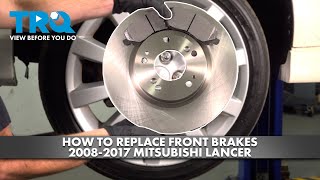
| Total Professional Replacement (Per Axle) 🎬 Watch: Step-by-step guide to replacing your front Lancer brakes. | $220 - $650+ |
Frequently Asked Questions
Do I have to replace my rotors and pads at the same time?
It is always highly recommended. New rotors provide a perfectly flat, clean surface for the new pads to bed into. Putting old pads on new rotors can cause noise and uneven wear, while putting new pads on old, worn rotors will reduce their effectiveness and lifespan.
What's the difference between drilled, slotted, and blank rotors?
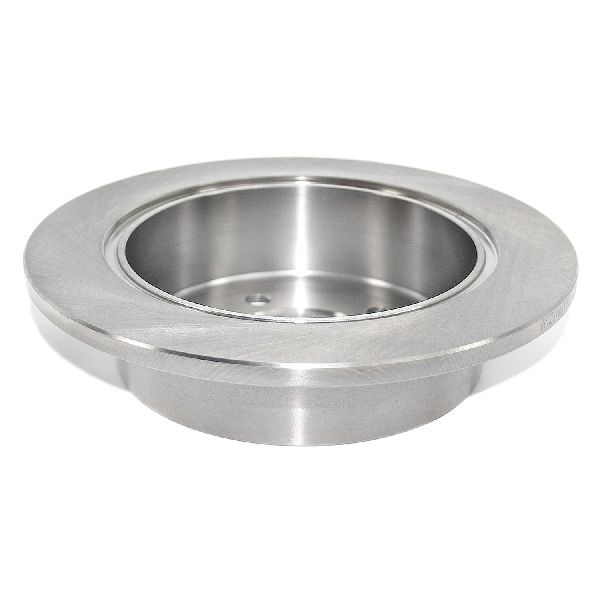
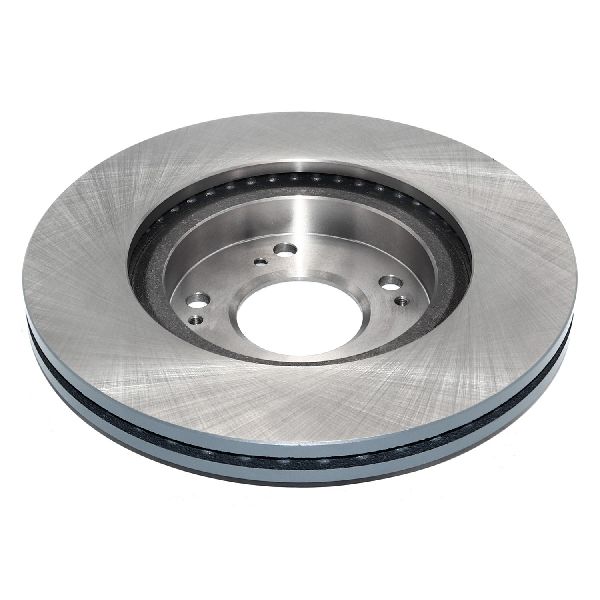
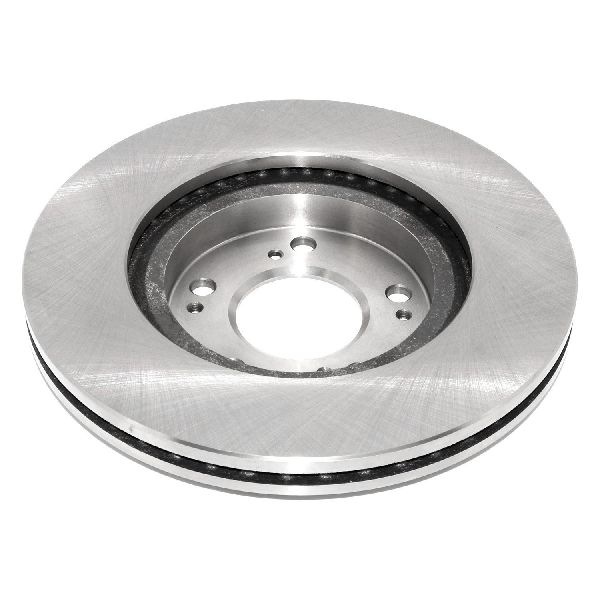
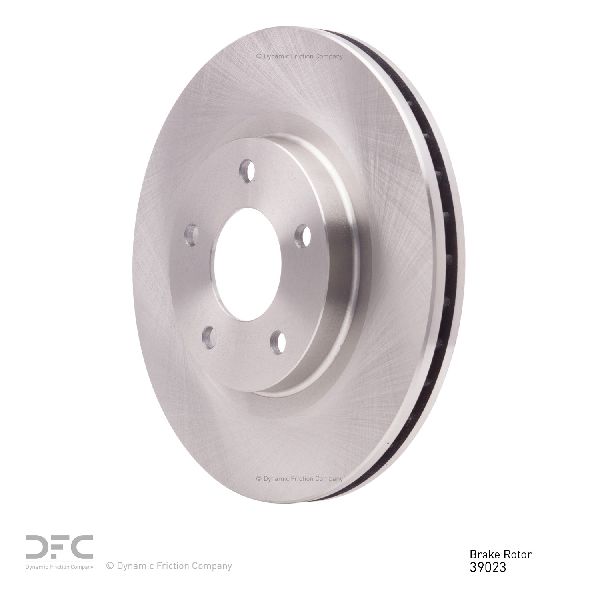
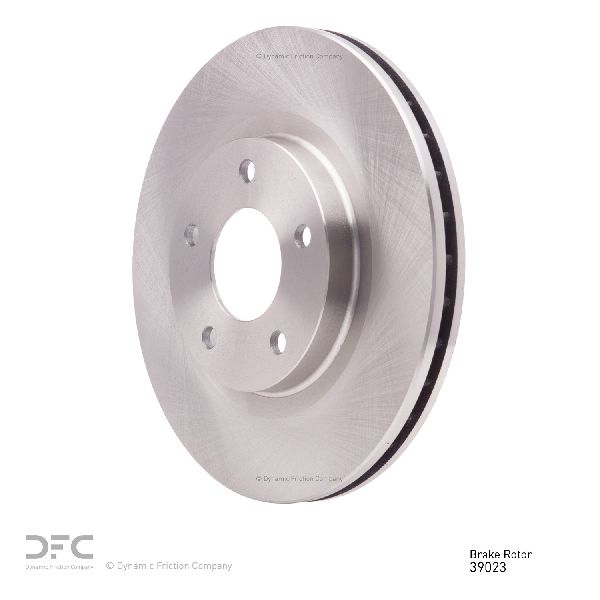
Blank rotors are smooth, like your original factory rotors. They are quiet and offer great performance for daily driving. Slotted rotors have grooves cut into the face to sweep away gas, dust, and water for better pad bite. Drilled rotors have holes that help dissipate heat and gas, which is great for performance driving but can sometimes lead to stress cracks in extreme use. Many performance rotors are both drilled and slotted.
Can I replace just one rotor?
No. Brake rotors should always be replaced in pairs (both front wheels or both rear wheels) to ensure balanced braking. Replacing only one can cause the car to pull to one side when you brake.
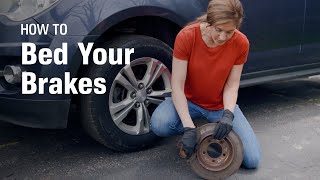
What does "bedding in" new brakes mean?
Bedding-in is a process of controlled stops to transfer an even layer of friction material from the new brake pads onto the new rotors. This ensures smooth, quiet, and powerful braking for the life of the components. Your new brake parts will come with specific instructions for this simple but important procedure.
🎬 Watch this video to learn how to bed brakes properly.Helpful Videos
Technical Specifications
A Technical Service Bulletin specifies the front brake disc wear limit is 27.4mm (1.079in). If the rotor is thinner than this, it must be replaced.
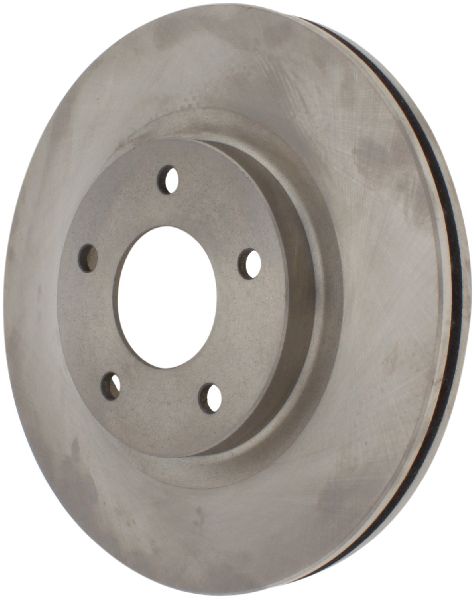
We Have This Part in Stock

The information in this article is provided for general reference and educational purposes only. Vehicle specifications, procedures, and part compatibility can vary by production date, trim level, and region. Always consult your vehicle's factory service manual and verify part numbers before purchasing or performing repairs. Safety-critical components such as airbags, seat belts, and braking systems should be installed by a qualified professional.
- Mitsubishi Lancer:
- 🎬 Helpful Videos
- 🛍️ Shop This Part
- Signs of Failing Brake Rotors on a Lancer
- Vehicle-Specific Issues for 2008-2017 Lancer
- Choosing the Right Aftermarket Rotors for Your Lancer
- Economy Brands
- Daily Driver (OEM-Quality) Brands
- Performance & Upgrade Brands
- Typical Replacement Costs for Lancer Brake Rotors
- Frequently Asked Questions
- 🎟️ Get 5% Off