

A Guide to Spark Plugs for the 2008-2017 Mitsubishi Lancer
Find the right spark plugs to maintain your Lancer's engine health and performance.
- Stick with OEM-equivalent Iridium spark plugs from brands like NGK or Denso for the best performance and longevity.
- Symptoms of failure include rough idle, poor acceleration, reduced MPG, and a check engine light with misfire codes (P0300-P0304).
- Replacement is a simple DIY task for most owners, requiring basic tools and about 30 minutes.
- While high-quality plugs come pre-gapped, it's wise to verify the gap, but avoid adjusting fine-wire iridium tips to prevent damage.
Signs of Failing Spark Plugs in Your Lancer

Worn-out spark plugs can cause several noticeable problems. If you experience any of these symptoms, it might be time for a replacement.
Common Symptoms:
- Rough Idle: Your car may shake or vibrate when stopped.
- Engine Misfires: You might feel the engine stutter or hesitate during acceleration. This can also trigger a flashing check engine light.
- Reduced Fuel Economy: Inefficient combustion from bad plugs means your engine uses more fuel.
- Poor Acceleration: The car may feel sluggish and slow to respond when you press the gas pedal.
- Difficulty Starting: Worn plugs can struggle to create the spark needed to start the engine, especially in cold weather.
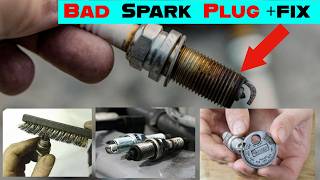
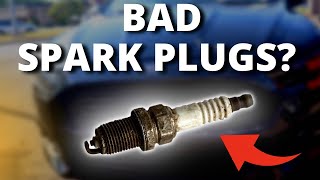
- Check Engine Light: A failing spark plug is a common reason for the check engine light to come on, often with codes like P0300 (random misfire) or P0301-P0304 (cylinder-specific misfires). 🎬 Watch a breakdown of bad spark plug symptoms and costs.
Choosing the Right Aftermarket Spark Plugs

For the 2008-2017 Mitsubishi Lancer, the original equipment manufacturer (OEM) plugs are typically high-quality Iridium units made by NGK or Denso. When choosing aftermarket replacements, it's best to stick with these materials for longevity and performance.
Spark Plug Material Tiers
Tier 1: Iridium & Double Platinum
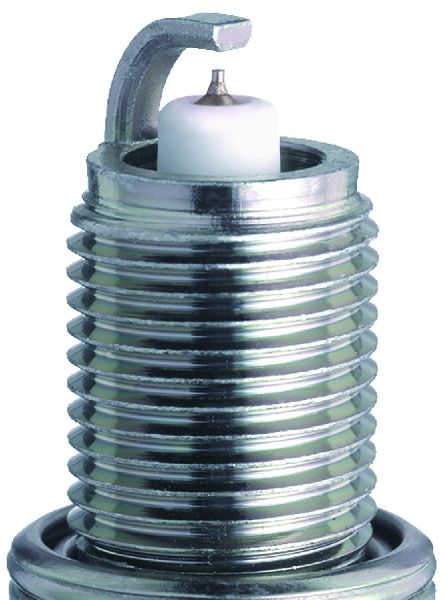
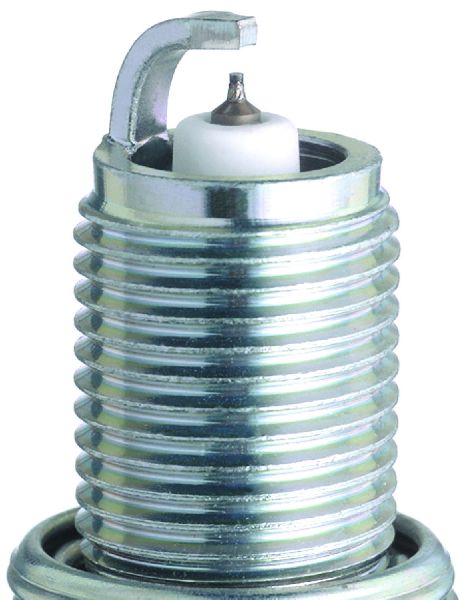
These are the best choice for your Lancer and match the original equipment. They offer the longest life (often up to 60,000-100,000 miles) and provide the most consistent performance. Brands like NGK and Denso are the top recommendations among owners.
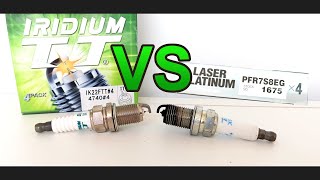
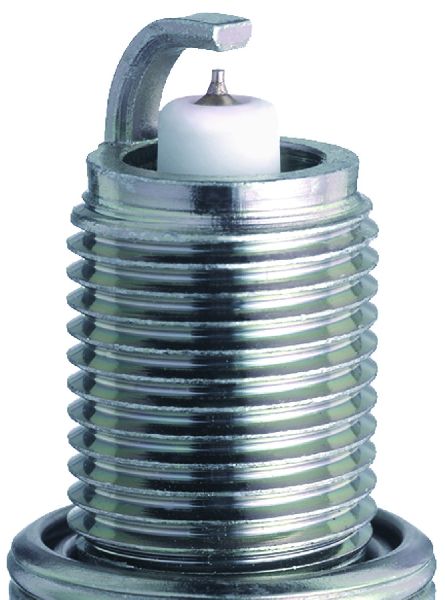
- NGK: Often the original plug. Their Laser Iridium and Iridium IX series are highly regarded for quality and durability.
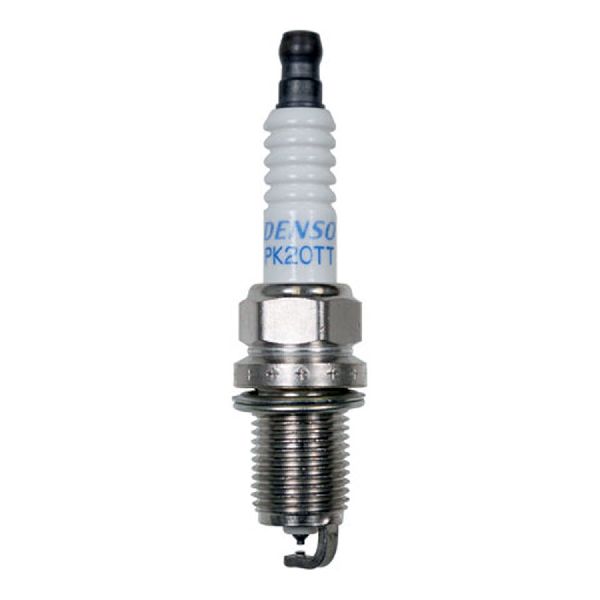
- Denso: A direct competitor to NGK, also known for excellent quality. Their Iridium TT plugs are a popular upgrade. 🎬 See a cold start comparison between NGK and Denso plugs.
Tier 2: Single Platinum & G-Power
These are a good mid-range option, offering better longevity than standard copper plugs but not as long-lasting as iridium. They provide a good balance of price and performance.
- Bosch: Offers a range of platinum plugs that are a reliable alternative.
- Autolite: Provides platinum options that are a step up from basic plugs.
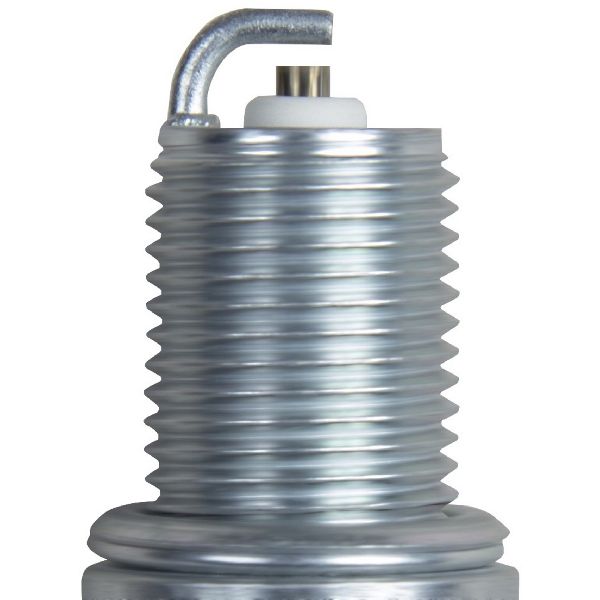
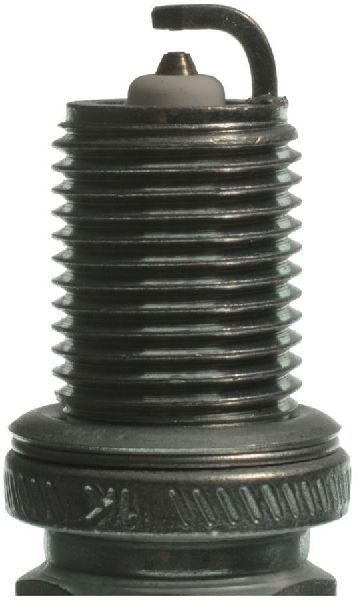
- Champion: Another well-known brand offering dependable platinum plugs.
Tier 3: Copper/Nickel
These are the most basic and affordable spark plugs. While functional, they have a much shorter lifespan (typically needing replacement every 20,000-30,000 miles) and are generally not recommended for the Lancer unless as a temporary, budget-friendly fix. Your engine was designed for long-life plugs, and using copper will require much more frequent service.
A Note on OEM vs. Aftermarket
For spark plugs, the OEM suppliers (NGK and Denso) are also the top aftermarket brands. Choosing an NGK Laser Iridium or Denso Iridium plug is essentially buying an OEM-quality part. Cheaper brands may save money initially but can lead to performance issues and require more frequent changes, costing more in the long run.
Known Issues, Recalls, and TSBs
Searches for spark plug-specific recalls or Technical Service Bulletins (TSBs) for the 2008-2017 Mitsubishi Lancer did not yield any results. While there are recalls for other engine components, the spark plugs and ignition coils themselves have not been subject to a specific recall. Any issues are typically related to normal wear and tear.
Cost of Replacement
| Category | Price Range (for a set of 4) |
|---|---|
| Aftermarket (Iridium/Platinum) | $30 - $120 |
| Aftermarket (Copper) | $14 - $40 |
| Shop Labor | $80 - $150 |
Frequently Asked Questions

How often should I change my Lancer's spark plugs?
If you use Iridium or Platinum plugs, the recommended interval is typically between 60,000 and 105,000 miles. However, if you use basic copper plugs, you should change them every 20,000 to 30,000 miles. Always check your owner's manual for the specific interval for your vehicle.
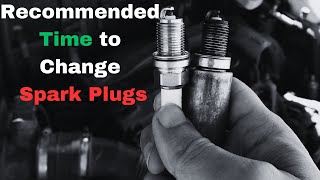
🎬 Learn more about how to determine your spark plug interval.What is the correct spark plug gap for a Mitsubishi Lancer?
The spark plug gap can vary slightly by engine and plug type. It generally falls between 0.024" and 0.044". High-quality iridium and platinum plugs often come pre-gapped and should not be adjusted, as you risk damaging the fine tip. Always verify the correct gap for your specific plug and engine.
Is it hard to replace the spark plugs myself?
For most Lancer models, replacing the spark plugs is a straightforward DIY job. It requires basic tools like a socket wrench, a spark plug socket, and an extension. The ignition coils sit directly on top of the plugs, making access easy after removing the engine cover.
Should I replace the ignition coils with the spark plugs?
It is not required to replace the ignition coils with the spark plugs. Coils are typically replaced only when they fail. However, if your car has high mileage and you are already replacing the plugs, replacing the coils at the same time can be good preventative maintenance, as a failing coil can damage a new spark plug.
Helpful Videos
Technical Specifications
OEM Part Numbers: 1822A021 1822A079 MN163236
Material: Iridium or Platinum recommended. Socket Size: 5/8" (16mm). Gap: Varies by engine/plug, typically 0.024" to 0.044".
We Have This Part in Stock

The information in this article is provided for general reference and educational purposes only. Vehicle specifications, procedures, and part compatibility can vary by production date, trim level, and region. Always consult your vehicle's factory service manual and verify part numbers before purchasing or performing repairs. Safety-critical components such as airbags, seat belts, and braking systems should be installed by a qualified professional.
- Mitsubishi Lancer: