

Mitsubishi Lancer Suspension Stabilizer Bar Link Replacement Guide (2008-2017)
Stop the clunking and tighten up your Lancer's handling with the right replacement stabilizer links.
- A clunking noise over bumps is the most common sign of a failed stabilizer link.
- Owners of 2008-2010 Lancers in Salt Belt states should check for the critical front cross member recall (NHTSA #20V279000).
- For daily driving, brands like Delphi offer reliable OE-quality replacements; for performance, look to Whiteline or Nolathane.
- Always replace stabilizer links in pairs to ensure balanced handling and prevent repeat repairs.
Is Your Lancer Making a Clunking Noise?
One of the first signs of a failing stabilizer bar link on a 2008-2017 Mitsubishi Lancer is a distinct noise coming from the front or rear suspension. Owners often describe it as a clunking, rattling, or knocking sound. This noise is usually most noticeable when driving over bumps, uneven roads, or when turning. You might also notice that your Lancer leans or sways more than it used to during cornering, making the handling feel less precise.
🎬 Watch this video to hear the exact clunking noise described.CRITICAL SUSPENSION RECALL INFORMATION
While there are no specific recalls for the stabilizer links, a major recall exists for the front suspension cross member on 2008-2010 Lancers originally sold or registered in 'Salt Belt' states. Road salt can cause severe corrosion, potentially leading to the detachment of the front lower control arm and a loss of vehicle control. This is a serious safety issue. Check if your vehicle is affected by entering your VIN on the NHTSA website. (NHTSA Recall No. 20V279000; Mitsubishi Recall No. SR-20-003)
Choosing the Right Aftermarket Stabilizer Link Kit
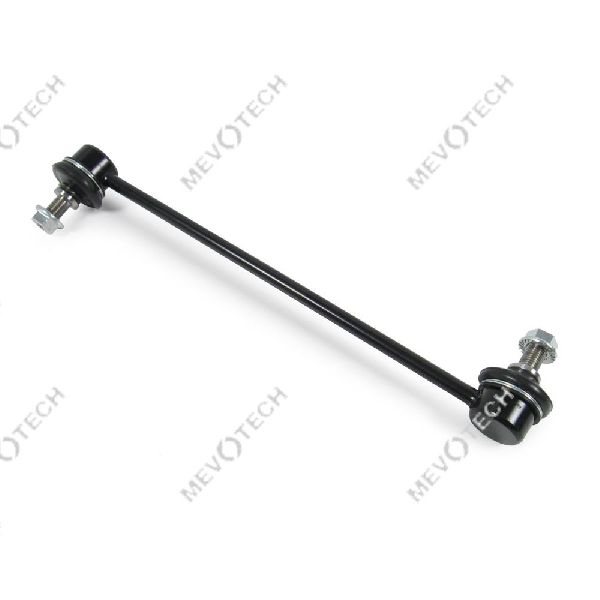
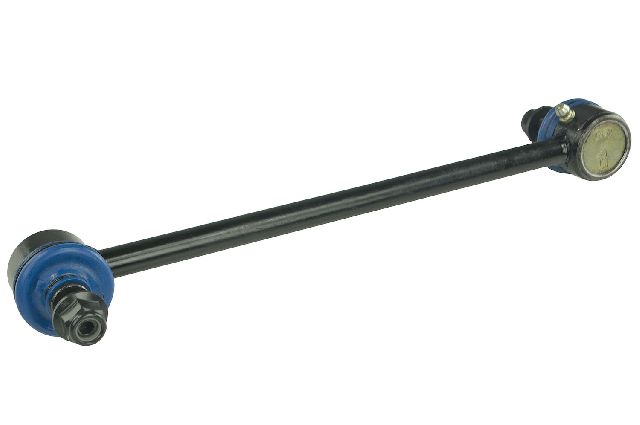
The original equipment (OEM) stabilizer links on the Lancer are adequate for daily driving but can wear out. Aftermarket parts offer a range of options from basic replacements to significant performance upgrades. They are often more affordable and sometimes offer improved designs over the factory parts.
Brand Tiers for Your Lancer
Not all aftermarket brands are the same. Here’s how the available brands generally stack up for your Lancer:
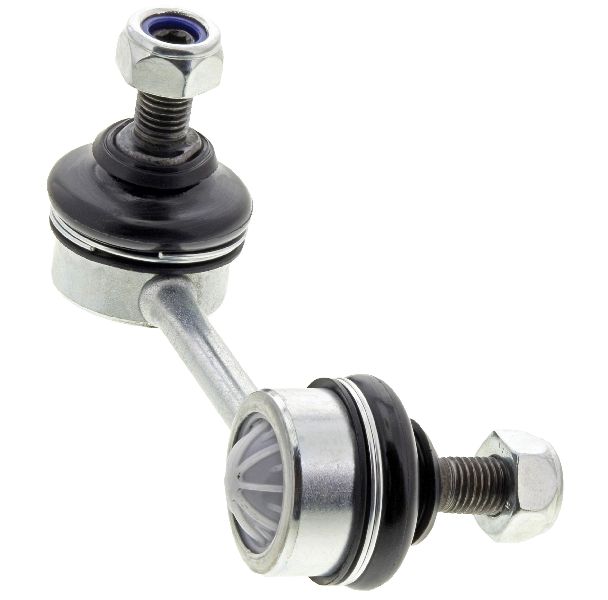
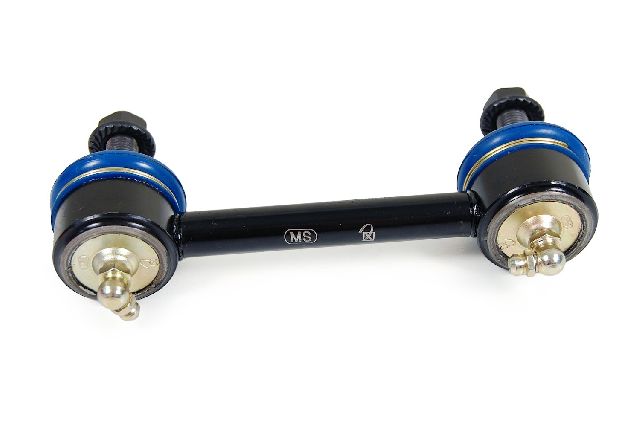
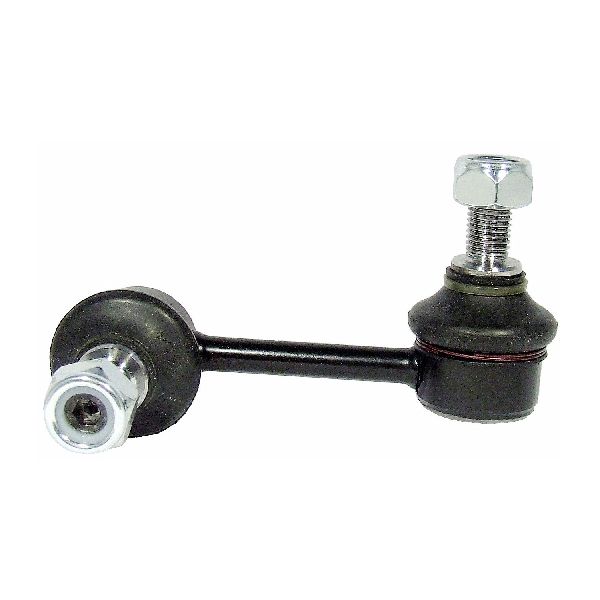
- Daily Driver / OE-Quality: Brands like Delphi are known for producing parts that meet or exceed original factory specifications. They are a reliable choice for a direct replacement to restore original handling and quietness. Dorman and Mevotech also offer standard replacement lines that are cost-effective for daily use, though quality can sometimes be inconsistent between their different product tiers.
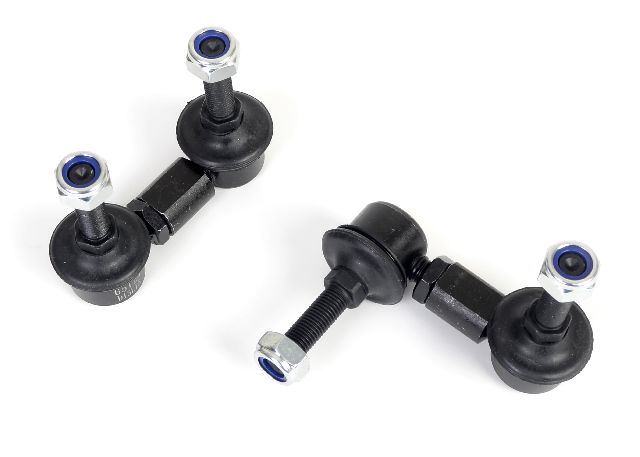
- Performance Upgrade: If you have modified your Lancer's suspension (e.g., with lowering springs or a stiffer sway bar) or use it for performance driving, brands like Whiteline and Nolathane are the preferred choice. These links are built stronger, often using polyurethane bushings and adjustable-length designs to handle increased stress and allow for fine-tuning the suspension to prevent binding.
Pro Tip: Stabilizer links should always be replaced in pairs (both front or both rear) to ensure even handling characteristics from side to side.
Estimated Costs for Stabilizer Link Replacement
| Part/Service | Estimated Cost |
|---|---|
| New Aftermarket Link Kit (Pair) | $21 - $146 |
| Shop Labor Cost | $95 - $150 |
| Total Professional Replacement | $116 - $296 |
Costs are estimates and may vary based on your location, the specific parts chosen, and your vehicle's condition.
Frequently Asked Questions (FAQ)
Do I need special tools to replace the stabilizer links?
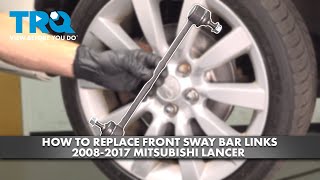
Basic hand tools are usually sufficient. You'll need a jack and jack stands, a lug wrench for the wheel, and a socket set. The link nuts are typically 14mm. Often, the center stud of the link will spin as you try to loosen the nut; you may need an Allen key (hex key) or a thin wrench to hold the stud while you turn the nut. Applying penetrating oil to the nuts beforehand is highly recommended.
Should I get adjustable or non-adjustable links?
For a stock-height Lancer used for daily driving, non-adjustable links are perfectly fine. If you have lowered or raised your car, or installed aftermarket sway bars, adjustable links from brands like Whiteline are recommended to correct the geometry and prevent stress on the parts.
What's the difference between rubber and polyurethane bushings?
Standard replacement links typically use rubber bushings, like the OEM parts, which offer a quiet and comfortable ride. Performance-oriented links from brands like Nolathane and Whiteline often use polyurethane bushings. Polyurethane is stiffer, providing more direct handling feedback and durability, but can sometimes result in a slightly firmer ride.
Can I replace just the broken link?
While you can, it is highly recommended to replace stabilizer links in pairs (both front or both rear). The other link has experienced the same amount of wear and is likely to fail soon. Replacing them together ensures balanced handling and saves you from doing the same job twice.
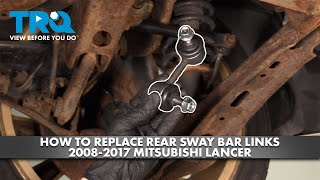
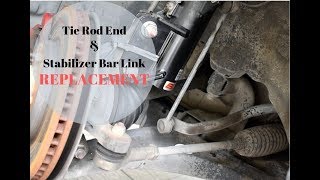
🎬 Follow this guide to replace your rear stabilizer bar links.Helpful Videos
Technical Specifications
Replacement is typically done with a 14mm wrench or socket and a hex key to prevent the stud from spinning. Torque specs for the nuts are approximately 29 ft-lbs.
We Have This Part in Stock

The information in this article is provided for general reference and educational purposes only. Vehicle specifications, procedures, and part compatibility can vary by production date, trim level, and region. Always consult your vehicle's factory service manual and verify part numbers before purchasing or performing repairs. Safety-critical components such as airbags, seat belts, and braking systems should be installed by a qualified professional.
- Mitsubishi Lancer: