

A Practical Guide to Replacing 2008-2017 Toyota Camry Brake Pads
Don't guess on brake pads; get the right information to stop safely and quietly.
- For a factory feel, choose ceramic pads from OEM suppliers like Akebono or Advics, which offer quiet operation and low dust.
- A grinding noise is a critical symptom that means you are damaging your brake rotors; stop driving and service the vehicle immediately.
- Replacing brake pads is a manageable DIY job for those with basic tools, but always use jack stands for safety.
- There are no major recalls for the pads on these models, but be aware of TSBs for potential noise issues.
Signs Your Camry's Brake Pads Are Worn Out

Your Camry will usually tell you when it's time for new brake pads. Ignoring these signs can lead to more expensive repairs down the road. Look out for these common symptoms:
- Squealing or Screeching: Most brake pads have a small metal tab called a wear indicator. When the pads get thin, this tab scrapes against the rotor and makes a high-pitched noise when you brake.
- Grinding Noise: If you hear a deep, metallic grinding, it's a critical warning. This means the pads are completely worn away, and the metal backing plate is grinding against the rotor. This can damage the rotors, turning a simple pad replacement into a more costly brake job.
- Vibration or Pulsing: If you feel a pulsing or vibration in the brake pedal or steering wheel when you slow down, your brake rotors may have warped from overheating, which can happen when pads are worn out.
- Longer Stopping Distance: If you notice your Camry takes longer to stop than it used to, your brake pads are likely losing their effectiveness and should be inspected immediately.
Known Issues & Bulletins
For the 2008-2017 Camry, there are no widespread recalls specifically for the brake pads themselves. However, Toyota did issue Technical Service Bulletins (TSBs) like T-TT-0636-20 for some vehicles that might experience a groan or squeak noise, even with their dealer-installed 'TCMC' brake pads. A TSB is not a recall, but it is an official guide for dealers to fix a known problem. Additionally, there were investigations and service campaigns for the 2007-2011 Camry Hybrid models related to the brake actuator and brake fluid reservoir, which could affect braking feel and performance, but these were distinct from standard pad wear.
Choosing the Right Aftermarket Brake Pads

The original equipment (OEM) brake pads on your Camry were likely made by Akebono or Advics and are a ceramic formulation. This gives you a great starting point for aftermarket choices. Aftermarket pads can offer similar or even better performance, often at a lower cost.
Brand Tiers for Your Camry
1. OEM-Equivalent Brands:
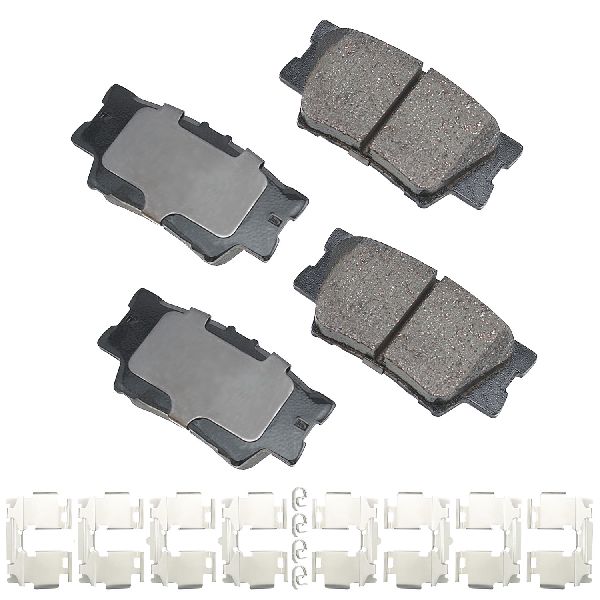
- Akebono: As a likely original supplier, Akebono's ProACT and Premium ceramic pads are a top choice for Camry owners. They provide the same quiet, low-dust performance you're used to from the factory.
- Advics: Another OEM supplier for Toyota, Advics pads are designed to restore original factory performance.
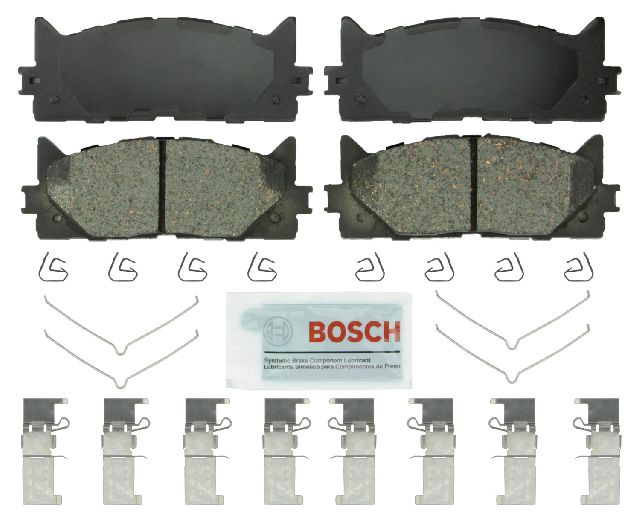
- Bosch: Bosch QuietCast pads are another popular choice known for quiet operation and reliable, OE-like stopping power.
- Raybestos & Centric: These brands are well-regarded in the aftermarket for providing quality that often meets or exceeds OEM standards at a good price. They are a solid choice for daily driving.
Pro Tip: For most Camry drivers, a quality ceramic pad from one of these brands will provide the best balance of quiet operation, low brake dust, and confident stopping for daily use.
2. Performance-Upgrade Brands:
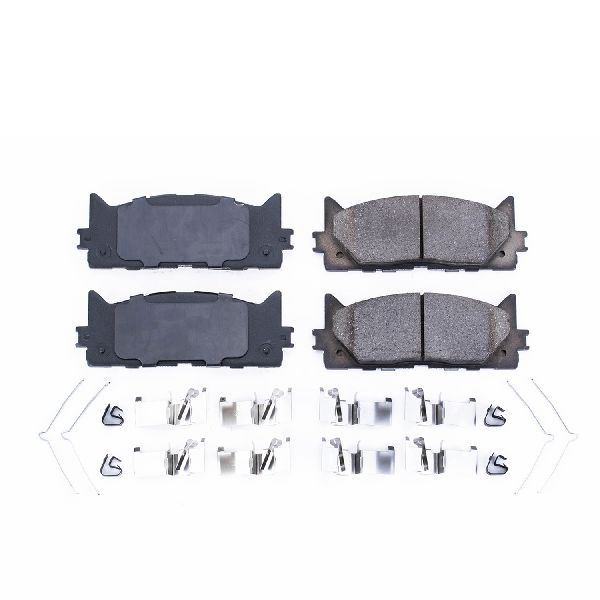
- PowerStop: PowerStop kits, like the Z23, often include carbon-fiber ceramic pads. These are designed for drivers who want a bit more initial bite and improved stopping power without a huge increase in noise or dust.
- Hawk Performance: Hawk offers pads that can provide more aggressive stopping power, but they may also produce more dust and noise than typical ceramic pads, making them better suited for spirited driving rather than a quiet commute.
- EBC Brakes & Brembo: While known for high-performance racing applications, these brands also offer street-friendly pads that can be an upgrade for your Camry, often with a focus on improved heat dissipation and bite.
3. Budget-Friendly Brands:
- Brands like Dynamic Friction, Pronto, and Total Stopping Solutions offer a lower-cost alternative. While they meet safety standards, they may not provide the same long life, quiet operation, or low-dust characteristics of the premium brands. They can be a good option if budget is the primary concern.
| Part Type | Typical Price Range | Notes |
|---|---|---|
| New Aftermarket (Budget) | $26 - $50 | Basic pads, may be noisier or create more dust. |
| New Aftermarket (OEM-Equivalent) | $50 - $100 | Best balance of quality and value for most drivers (e.g., Akebono, Bosch). |
| New Aftermarket (Performance) | $75 - $197 | For enhanced stopping power (e.g., PowerStop, Hawk). |
| New OEM (Dealer) | $80 - $150 | Original factory parts, purchased from a Toyota dealer. |
| Shop Labor | $100 - $200 | Cost for a professional mechanic to install one set of pads (front or rear). |
Frequently Asked Questions

How often do I need to replace my Camry's brake pads?
For a Toyota Camry, front brake pads typically last between 40,000 and 70,000 miles, while rear pads often last longer. Your mileage will vary greatly depending on your driving habits (city vs. highway) and how aggressively you brake.
Should I replace my rotors at the same time as my pads?
Not always, but it's highly recommended. If your rotors are below the minimum thickness specified by Toyota, or if they show signs of warping (pulsation) or heavy scoring, they must be replaced. Installing new pads on worn rotors can reduce brake performance and cause the new pads to wear out prematurely.
What's the difference between ceramic and semi-metallic pads?
Ceramic pads, like the ones your Camry likely came with, are known for being quiet, producing very little dust, and offering long life. Semi-metallic pads can offer better performance in extreme heat and have a stronger "bite," but they are often noisier, create more black dust, and can wear rotors faster. For a daily driven Camry, ceramic is almost always the preferred choice.
What is "bedding in" new brakes?
Bedding in, or breaking in, is the process of transferring a thin, even layer of friction material from the new pads onto the rotors. This is done by performing a series of controlled stops. Following the manufacturer's specific break-in procedure ensures smooth, quiet, and powerful braking for the life of the pads.
Helpful Videos
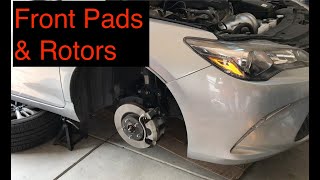

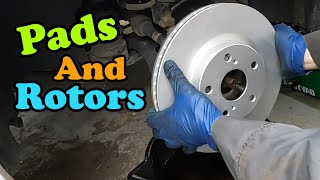

Technical Specifications
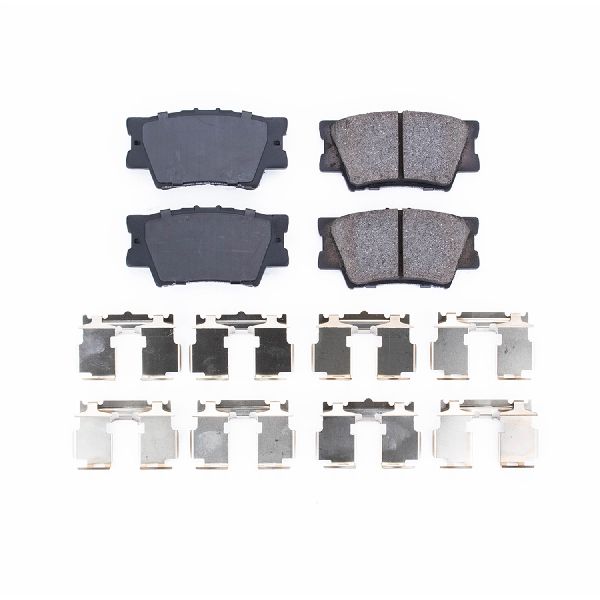
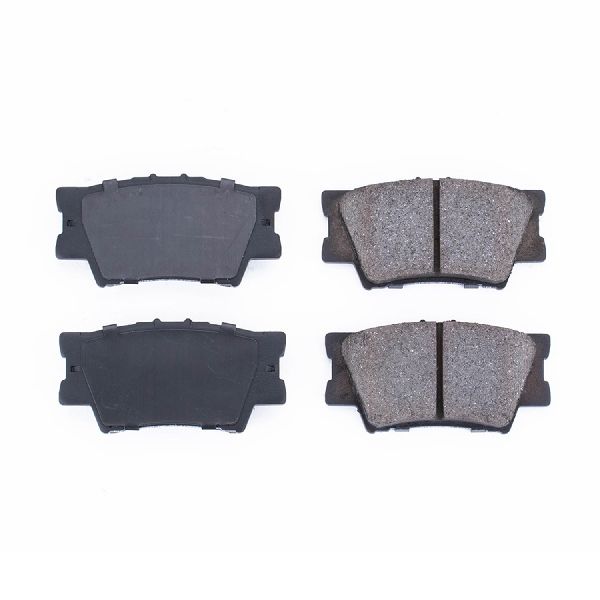
The 2008-2017 Toyota Camry primarily uses ceramic brake pads for both front and rear axles. The specific pad shape and size can vary slightly by model year and whether the vehicle was built in the US or Japan, so always verify fitment with your VIN. The braking system uses a single-piston floating caliper design.
We Have This Part in Stock


The information in this article is provided for general reference and educational purposes only. Vehicle specifications, procedures, and part compatibility can vary by production date, trim level, and region. Always consult your vehicle's factory service manual and verify part numbers before purchasing or performing repairs. Safety-critical components such as airbags, seat belts, and braking systems should be installed by a qualified professional.
- Toyota Camry: