

A/C Expansion Valve for the 2008-2018 Audi TT: A Complete Guide
If your TT's air conditioning is blowing warm or acting strange, the expansion valve could be the culprit.
- A bad expansion valve often causes warm air, inconsistent cooling, or frost on A/C components.
- Proper diagnosis with gauges is crucial, as symptoms can mimic other A/C failures.
- Replacement is a job for professionals because the system must be evacuated and recharged.
- Always replace the receiver/drier and O-rings when replacing the expansion valve.
Is Your Audi TT's A/C Failing? It Might Be the Expansion Valve.
When your Audi TT's air conditioning stops blowing cold, it's easy to suspect major parts like the compressor. However, a small, less expensive part called the A/C expansion valve is a common point of failure. A faulty valve can cause a range of frustrating A/C issues, from warm air to strange noises. Understanding its symptoms is the first step to getting your cool air back.
Common Symptoms of a Bad A/C Expansion Valve
A failing expansion valve in your TT can mimic other A/C problems, so it's important to know the specific signs. Many symptoms are caused by the valve getting stuck open, closed, or clogged with debris.
- Warm or Inconsistent Air: The most common symptom is warm air blowing from the vents, even when the A/C is on full blast. You might also experience fluctuating temperatures, where the air switches between cold and warm.
- Frost on Vents or A/C Lines: If the valve is stuck open, it can allow too much refrigerant into the evaporator, causing it to freeze. You might see frost on the A/C lines near the firewall or even notice a white mist coming from your vents.
- A/C Compressor Constantly Running or Short Cycling: The expansion valve helps regulate pressure in the system. If it fails, the compressor might run continuously or turn on and off rapidly (short cycle) to try and compensate for incorrect refrigerant flow.
- Hissing Sound from the Dash: A hissing noise from the dashboard area when the A/C is running can indicate that the valve is partially blocked and refrigerant is struggling to pass through.
A/C System Diagnosis is Key
These symptoms can also be caused by low refrigerant, a failing compressor, or electrical issues. A professional diagnosis using manifold gauges to check high and low-side pressures is the best way to confirm a bad expansion valve before you start buying parts. A stuck-closed valve often causes very low pressure on the low side, while a stuck-open valve can cause abnormally high pressure on the low side.
Choosing the Right Aftermarket Expansion Valve
For the 2008-2018 Audi TT, the original equipment (OEM) A/C system components are often made by brands like Mahle, Behr, or Denso. These same manufacturers offer high-quality aftermarket parts that meet or exceed original specifications. When choosing a replacement, it's wise to stick with these reputable brands.
| Tier | Brands | Quality & Price Assessment |
|---|---|---|
| OEM-Quality Aftermarket | Denso, Mahle, Nissens, Vemo | These brands are known for their precision engineering and are often original suppliers to Audi and other German automakers. They offer excellent reliability and fit, making them a top choice. Prices are higher but reflect the quality. |
| Quality Mid-Tier | Four Seasons, Global Parts | Four Seasons is a well-known aftermarket brand with a long history. While generally considered reliable, some forum users prefer to stick with OEM brands like Denso for German vehicles. These parts offer a good balance of cost and quality. |
| Economy / Budget | Various unbranded/store brands | While the low price is tempting, these parts can be a gamble. An improperly calibrated expansion valve can lead to poor performance or even damage your A/C compressor. Given the significant labor cost for this repair, saving a few dollars on the part itself is often not worth the risk of a premature failure. |
Known Issues, TSBs, or Recalls
Searches for the 2008-2018 Audi TT did not reveal any specific recalls or widespread, documented issues from NHTSA directly concerning the A/C expansion valve. However, Audi has issued general Technical Service Bulletins (TSBs) for A/C systems that sometimes mention the expansion valve. For example, TSB 87-22-28 notes that when diagnosing leaks, a false positive can sometimes point to the evaporator when the leak is actually at the expansion valve connection. Another TSB for earlier models mentions that a faulty A/C control valve (N280) inside the compressor can cause symptoms similar to a bad expansion valve. This highlights the importance of proper diagnosis.
Frequently Asked Questions (FAQ)
Where is the A/C expansion valve located on a 2008-2018 Audi TT?
The expansion valve is typically located on the vehicle's firewall in the engine bay, where the A/C lines pass through to the passenger compartment. It connects the liquid line from the condenser to the inlet of the evaporator core.
Can I replace the Audi TT expansion valve myself?
This is an advanced DIY job. While unbolting the valve itself is straightforward, the repair requires specialized equipment. The A/C system must be legally and safely evacuated of all refrigerant before opening the lines and then put under a deep vacuum to remove moisture before being recharged with a precise amount of refrigerant and oil. Failure to do this correctly will result in poor performance and can damage new components. For most owners, this job is best left to a professional mechanic.
Do I need to replace any other parts at the same time?
Yes. Any time you open the A/C system, it is mandatory to replace the receiver/drier (or accumulator). This component absorbs moisture from the refrigerant, and it becomes saturated once exposed to the atmosphere. It's also wise to replace all the small O-ring seals at the connections you open to prevent leaks.
What is the difference between an expansion valve and an orifice tube?
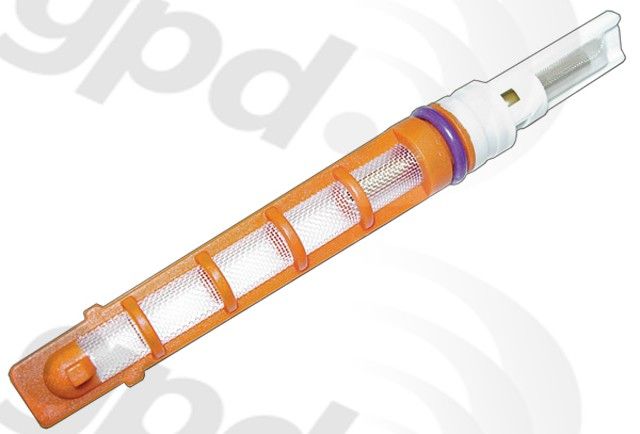
Both parts serve the same basic function of metering refrigerant into the evaporator, but they work differently. An orifice tube is a simple fixed-diameter tube, while an expansion valve (like the one in your TT) is a variable valve that can actively regulate refrigerant flow based on temperature and pressure for more efficient cooling.
Technical Specifications
OEM Part Numbers: 1K0820679 5Q0816679B
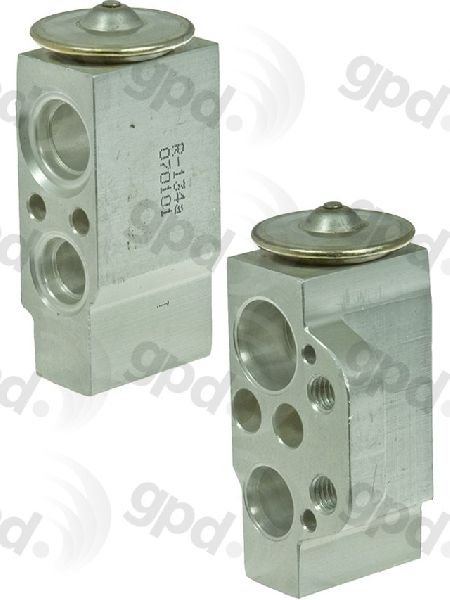
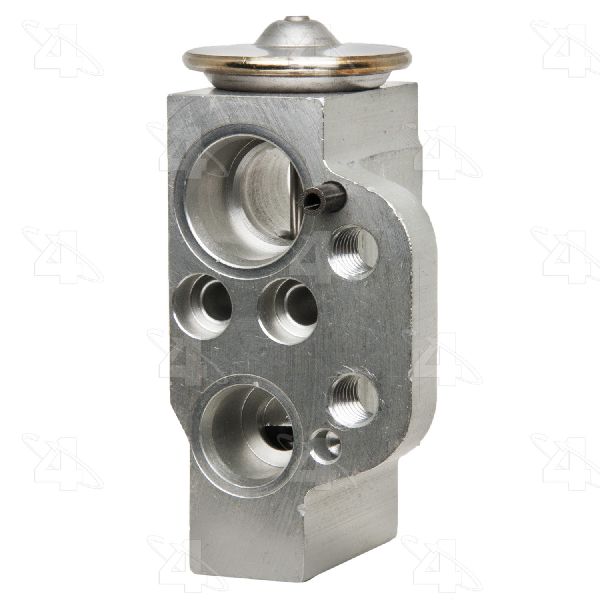
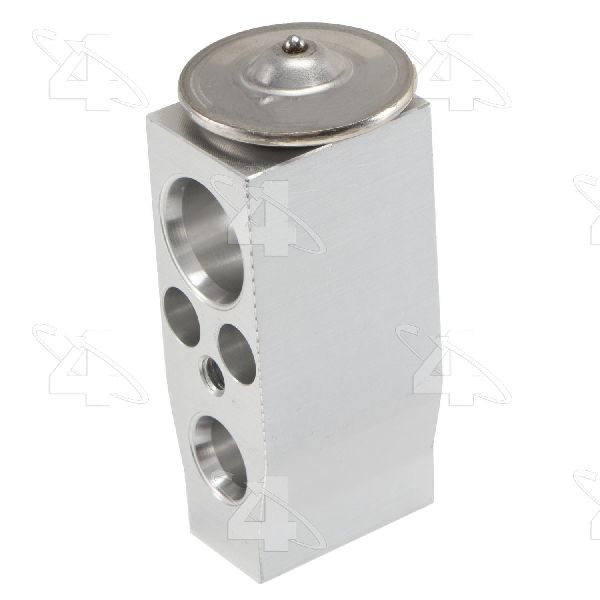
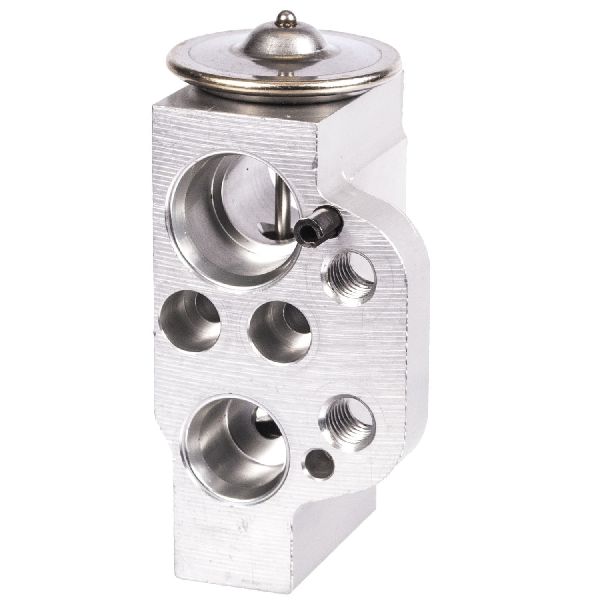
Block-type Thermal Expansion Valve (TXV)
We Have This Part in Stock


The information in this article is provided for general reference and educational purposes only. Vehicle specifications, procedures, and part compatibility can vary by production date, trim level, and region. Always consult your vehicle's factory service manual and verify part numbers before purchasing or performing repairs. Safety-critical components such as airbags, seat belts, and braking systems should be installed by a qualified professional.
- Audi TT: