

A Deep Dive on the 2008-2018 Audi TT Suspension Control Arm
Understand when and why you need to replace your TT's control arms, and how to choose the right aftermarket part.
- Clunking noises over bumps are the most common symptom of a failing control arm on an Audi TT.
- For best results and longevity, choose high-quality aftermarket brands like Febi Bilstein or consider OEM parts (Lemforder/TRW).
- Replacing the entire control arm assembly is usually easier and a better value than just replacing the bushings.
- A wheel alignment is essential after replacing control arms to prevent uneven tire wear and ensure proper handling.
Signs of a Failing Control Arm on Your Audi TT
The control arms on the Audi TT are built to last, but the bushings and ball joints will wear out over time, especially on spirited drives or rough roads. When they fail, you'll notice the precise handling of your TT start to feel sloppy. Look out for these common symptoms:
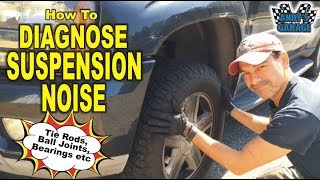
- Clunking or Knocking Noises: This is the most common sign. You'll hear a clunk, pop, or knock from the front end when driving over bumps, speed bumps, or uneven surfaces. This sound is often the worn bushing allowing metal parts to make contact. 🎬 Watch: How to diagnose common suspension noises like these.
- Steering Wander or Pulling: If you feel like you constantly have to make small corrections to keep the car straight, or if it pulls to one side, it could be due to worn control arm bushings allowing unwanted movement in the suspension.
- Vibrations Through the Steering Wheel: Worn bushings or a loose ball joint can cause vibrations that you feel in the steering wheel. These vibrations may change or worsen with speed.
- Uneven Tire Wear: When control arms are worn, they can't hold the wheel at the correct angle. This can cause your tires to wear unevenly on the inner or outer edges.
Known Issue: Creaking Noise TSB
Audi issued a Technical Service Bulletin (TSB 40 23 54 2043424/16) for a creaking or squeaking noise from the front lower control arm bushings on some vehicles when driving over uneven roads. This is caused by the design of the rubber bushing. The official fix is to apply a specific lithium grease to the bushing, but if the bushing is already significantly worn, replacement is the better option.
Choosing the Right Aftermarket Control Arm
When replacing your TT's control arms, you have a choice between OEM (Original Equipment Manufacturer) and a wide range of aftermarket brands. OEM parts, often made by brands like Lemforder or TRW, are what your car came with from the factory. They are a safe bet for fit and longevity, but they are also the most expensive option.
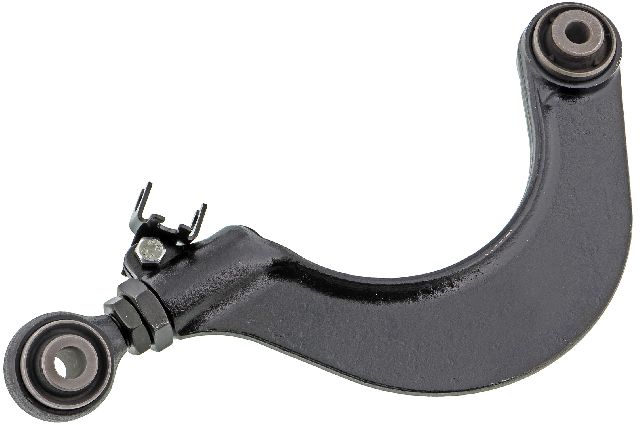
Aftermarket parts can offer significant savings. However, quality can vary greatly between brands. It's often a better value to buy a complete control arm assembly, which includes a new ball joint and pre-installed bushings, rather than trying to press old bushings out and new ones into the old arm. Here’s a breakdown of common aftermarket brands based on owner feedback and general reputation:
Tier 1: OEM Quality & Performance
- Febi Bilstein: Generally considered a high-quality German brand that offers a good balance of performance and price. Many owners have had positive experiences, though ensuring proper installation technique (tightening bolts only when the suspension is at ride height) is critical for bushing life.
- Moog: A very well-known brand, but with mixed reviews. Their "Problem Solver" line is often seen as higher quality. Some users report excellent longevity, while others have experienced premature failure of the ball joints or their protective boots.
Tier 2: Value-Focused Options
- Delphi: Often seen as a reliable brand that provides good value. While some have noted premature wear on certain European applications, many find them to be a solid budget-friendly choice.
- Mevotech: This brand gets very mixed reviews. Some users are happy with the value, especially from their 'Supreme' or 'TTX' lines, but others have reported issues with bushings wearing out quickly or even parts not fitting correctly out of the box.
Tier 3: Economy Brands
- Dorman, URO Parts, Suspensia, Skyward: These brands fall into the economy category. They can be a solution if budget is the absolute primary concern, but long-term durability may not match the higher-tiered brands. For a performance car like the TT, investing in a better-quality arm is often recommended to maintain handling characteristics.
Pro Tip: Regardless of the brand you choose, it is highly recommended to replace control arms in pairs (left and right). If one side has failed, the other is likely not far behind. Also, plan on getting a wheel alignment after the replacement to ensure proper handling and prevent tire wear.
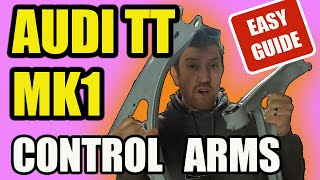
🎬 See this beginner's guide to removing and refitting control arms.Cost to Replace Audi TT Control Arms
The cost can vary significantly based on the parts you choose and local labor rates. The front suspension on the Audi TT has multiple control arms per side (upper and lower), so a complete overhaul can be more expensive than a single arm replacement.
| Item | Estimated Cost |
|---|---|
| New OEM Control Arm (Single) | $200 - $450+ |
| New Aftermarket Control Arm (Single) | $30 - $250 |
| Shop Labor (Per Side) | $200 - $400 |
Frequently Asked Questions
Do I need to replace the whole control arm or just the bushings?
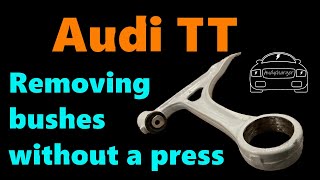
While you can sometimes replace just the bushings, it requires a hydraulic press and specialized tools. 🎬 Watch: How to remove bushings if you don't have a press. Buying a complete control arm assembly is often easier and more cost-effective, as it comes with new bushings and a new ball joint already installed.
Are there any recalls for the 2008-2018 Audi TT control arms?
There are no major, widespread recalls specifically for control arm failure on the 2008-2018 Audi TT in the North American market. However, it's always a good idea to check for recalls and service campaigns for your specific vehicle by entering your VIN on the official Audi or NHTSA websites.
Can I use control arms from a VW Golf/GTI on my TT?
The Audi TT (8J and 8S chassis) shares its platform with other VW and Audi models like the A3 and Golf. While some parts are interchangeable, there can be differences in material (aluminum vs. steel) and geometry. It is critical to use parts specified for the Audi TT to maintain correct suspension geometry and safety.
What is the difference between steel and aluminum control arms?
The Audi TT often uses aluminum control arms to save weight, which helps improve suspension response and handling. Some aftermarket replacements may be made of steel. While steel is strong, it is heavier. For the best performance, it's recommended to stick with the material specified by the original design.
Helpful Videos
![How to change front suspension arm / front control arm on AUDI A3 2 (8PA) [TUTORIAL AUTODOC]](https://img.youtube.com/vi/Jia2sO8ZTpk/mqdefault.jpg)
Technical Specifications
OEM Part Numbers: 8J0407151D 1K0407151AC 8S0407151D
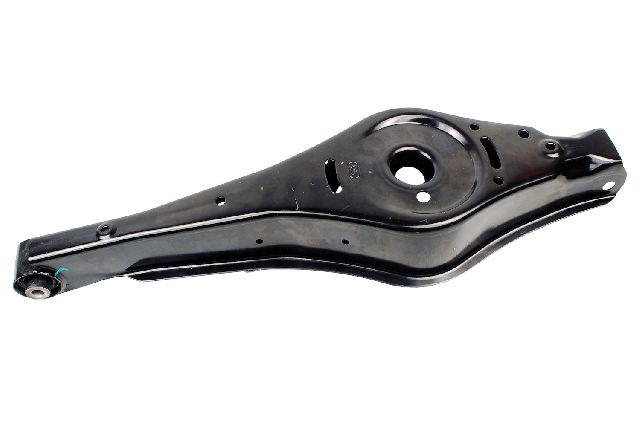
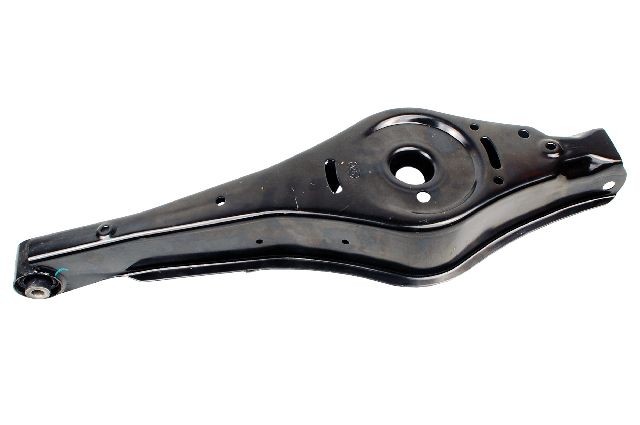
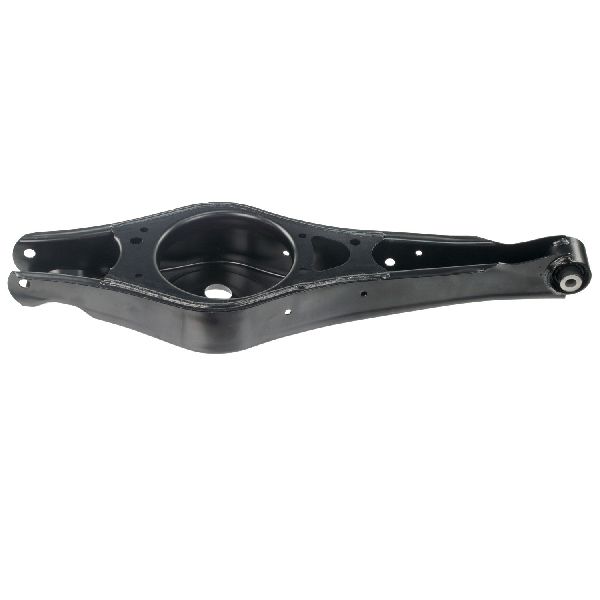
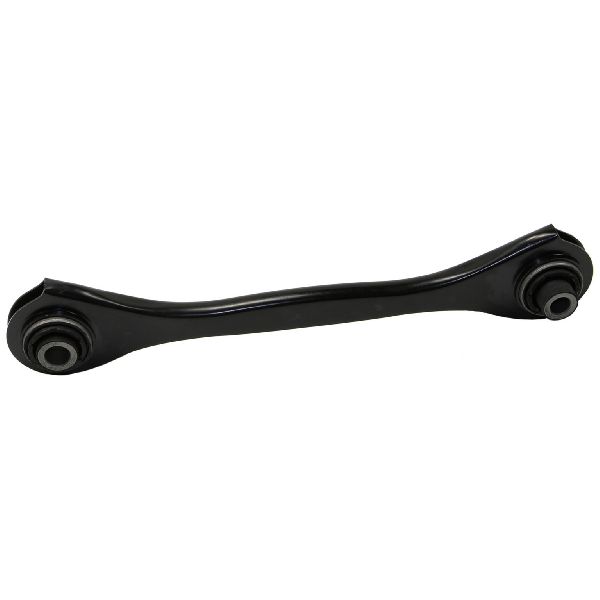
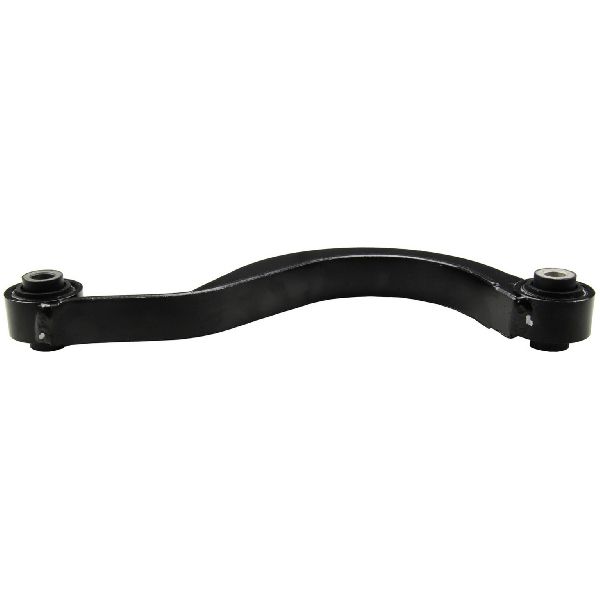
The 2008-2018 Audi TT (8J and 8S chassis) uses a multi-link front suspension. The lower control arms are typically made of cast aluminum to reduce unsprung weight, though some aftermarket versions may be steel. The rear bushings are often a hydro-bushing design for improved damping. The ball joint is typically integrated into the arm on modern replacements.
We Have This Part in Stock

The information in this article is provided for general reference and educational purposes only. Vehicle specifications, procedures, and part compatibility can vary by production date, trim level, and region. Always consult your vehicle's factory service manual and verify part numbers before purchasing or performing repairs. Safety-critical components such as airbags, seat belts, and braking systems should be installed by a qualified professional.
- Audi TT:
- 🎬 Helpful Videos
- 🛍️ Shop This Part
- Signs of a Failing Control Arm on Your Audi TT
- Known Issue: Creaking Noise TSB
- Choosing the Right Aftermarket Control Arm
- Tier 1: OEM Quality & Performance
- Tier 2: Value-Focused Options
- Tier 3: Economy Brands
- Cost to Replace Audi TT Control Arms
- Frequently Asked Questions
- 🎟️ Get 5% Off