

A Practical Guide to the 2008-2018 BMW M3 Air/Fuel Ratio Sensor
Keep your M3's high-performance engine running perfectly by understanding its most critical sensor.
- A bad A/F sensor will trigger a Check Engine Light and cause poor fuel economy and rough running.
- The 2008-2013 E9x M3 and 2015-2018 F80 M3 have different engines but similar A/F sensor setups (two upstream).
- High-quality aftermarket brands like Denso and NGK/NTK provide OEM-level performance for less than dealer prices.
- Replacement is a feasible DIY project for those with the right tools, but access can be tight.
Understanding Your M3's A/F Sensors

Your BMW M3 relies on precise engine tuning to deliver its signature performance. The air/fuel ratio (A/F) sensor is a key player in this process. It's not just a simple emissions device; it's a primary input for how your engine runs. These are often called pre-cat or upstream O2 sensors because of their location before the catalytic converter. A separate, less critical sensor is located after the catalyst (post-cat) to monitor its efficiency.
Generation-Specific Information
The 2008-2018 timeframe covers two different M3s with unique engines:
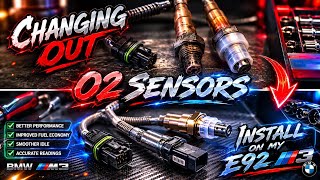
- 2008-2013 (E90, E92, E93): This generation uses the naturally-aspirated S65 V8 engine. It has two upstream A/F sensors (one for each cylinder bank) 🎬 See a step-by-step guide for replacing E92 M3 sensors. and two downstream monitoring sensors.
- 2015-2018 (F80): This generation features the twin-turbocharged S55 inline-6 engine. It also uses two upstream A/F sensors and two downstream sensors. Bank 1 refers to the front three cylinders, while Bank 2 is the rear three.
Symptoms of a Failing A/F Sensor

A bad A/F sensor forces your engine's computer to guess the proper fuel mixture, leading to noticeable problems. The most common sign is a Check Engine Light on your dashboard, often with an "Increased Emissions" warning on the iDrive display for E9x models. You may also experience:
- Reduced fuel economy
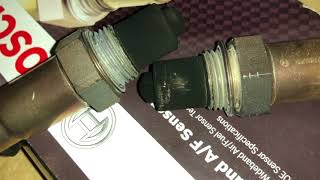
- Rough or unstable idle 🎬 Watch how new sensors fixed this M3's rough idle.
- Hesitation or a drop in engine power
- A faint smell of gasoline from the exhaust, indicating a rich fuel mixture
Choosing the Right Aftermarket Sensor: OEM vs. Denso & NGK

When replacing an A/F sensor, you don't have to buy the expensive part from a BMW dealer. The original sensors are typically made by companies like Bosch, Denso, or NGK (which sells sensors under the NTK brand). These companies are called Original Equipment Manufacturers (OEMs). An aftermarket sensor from an OEM brand like Denso or NGK/NTK offers the same quality and performance as the dealer part, often at a much lower price. Avoid cheap, no-name sensors, as forum members report they often fail quickly.
Pro Tip: Check the Brand
Bosch is the widely recognized OEM supplier for the E9x M3. For the F80 M3, both Bosch and NTK are mentioned by owners as quality options. Denso is another globally trusted OEM supplier known for high-quality sensors. Choosing any of these three brands is a safe bet for your M3.
Cost of Replacing an M3 Air/Fuel Sensor
The cost can vary significantly between doing it yourself and going to a shop. Dealer replacement costs can be very high, with some owners being quoted over $1,000 for a single sensor.
| Item | Estimated Cost |
|---|---|
| New Aftermarket Sensor (Denso, NGK) | $165 - $253 |
| New OEM Sensor (Dealer) | $225 - $410+ |
| Shop Labor | $150 - $350 per sensor |
Frequently Asked Questions

Is replacing the A/F sensor a DIY job?
Yes, for an experienced home mechanic. The job requires lifting the car safely on jack stands or a lift and removing underbody panels to access the sensors. The sensors can be tight, so a special O2 sensor socket or wrench is highly recommended. Access on the F80 M3 can be particularly challenging for some sensor locations.
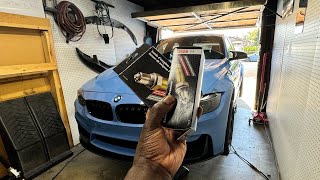
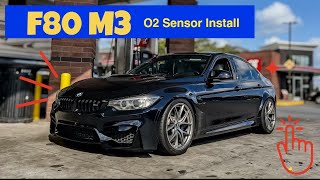
🎬 Follow this DIY walkthrough for the F80 M3 sensor install.Should I replace sensors in pairs?
It is good practice, but not strictly required. Oxygen sensors degrade over time. If one has failed due to age and high mileage (e.g., over 80,000 miles), the other is likely not far behind. Replacing them together ensures balanced and accurate readings from both engine banks.
What are the most common OBD-II codes for a bad A/F sensor on an M3?
While codes can vary, some mentioned by M3 owners include P2629 (Oxygen Sensor Pumping Current Trim Circuit/Open Bank 2 Sensor 1) for the E92 M3 and 12B505 (Lambda probe heating before catalyst, heater error) or 118101 (Mixture control: mixture too lean) for the F80 M3. Always use a scanner to confirm the specific code before buying parts.
Are there any recalls for the M3 air/fuel sensor?
Based on searches of NHTSA data and owner forums, there are no active recalls or specific Technical Service Bulletins (TSBs) for the air/fuel ratio sensors on the 2008-2018 BMW M3 (S65 and S55 engines).
Helpful Videos
![O2 Sensor Replacement Fixed Rough Idle & Limp Mode of E90 M3 [ENG SUB]](https://img.youtube.com/vi/9n33de17WiI/mqdefault.jpg)
Technical Specifications
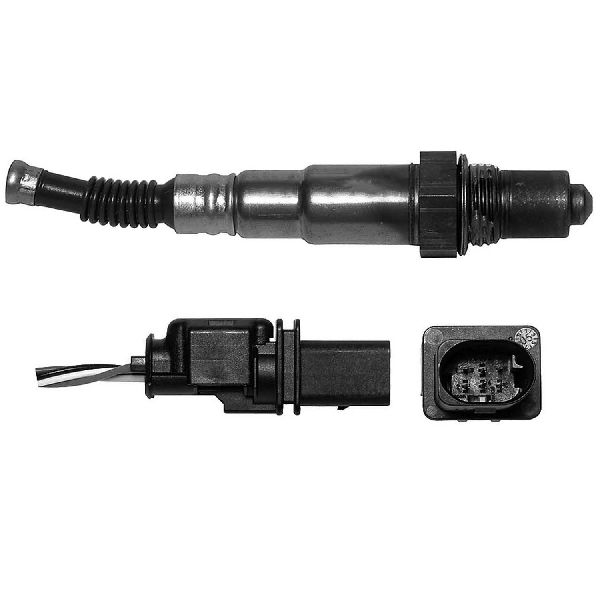
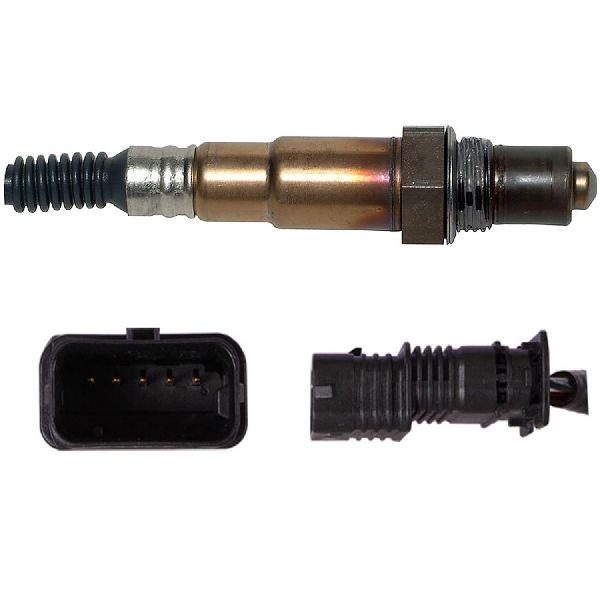
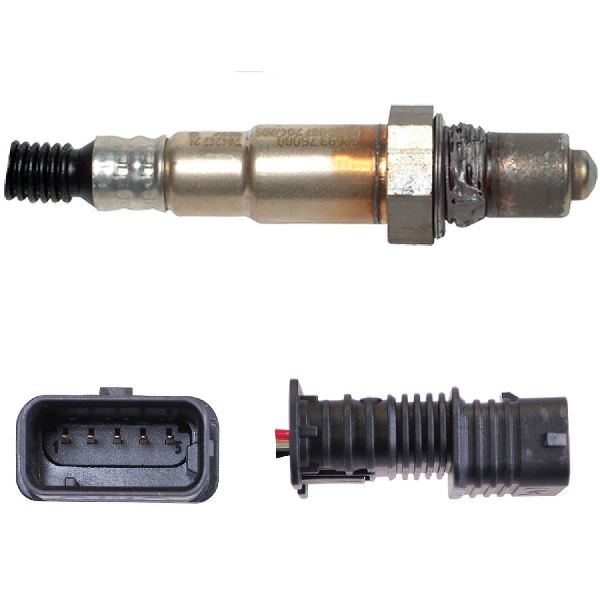
OEM Part Numbers: 11787539125 11787848482 11787848483
The primary sensors are wideband, 5-wire heated sensors located in the exhaust manifold or downpipe before the catalytic converter. The connector style and cable length are specific to the vehicle generation and sensor location (Bank 1 vs. Bank 2).
We Have This Part in Stock

The information in this article is provided for general reference and educational purposes only. Vehicle specifications, procedures, and part compatibility can vary by production date, trim level, and region. Always consult your vehicle's factory service manual and verify part numbers before purchasing or performing repairs. Safety-critical components such as airbags, seat belts, and braking systems should be installed by a qualified professional.
- BMW M3:
- 🎬 Helpful Videos
- 🛍️ Shop This Part
- Understanding Your M3's A/F Sensors
- Generation-Specific Information
- Symptoms of a Failing A/F Sensor
- Choosing the Right Aftermarket Sensor: OEM vs. Denso & NGK
- Pro Tip: Check the Brand
- Cost of Replacing an M3 Air/Fuel Sensor
- Frequently Asked Questions
- 🎟️ Get 5% Off