

BMW M3 Mass Air Flow Sensor (2008-2018): A Complete Guide
Keep your M3's high-performance engine running perfectly by understanding its mass air flow sensor.
- The 2008-2013 E9x M3 has one MAF sensor, while the 2015-2018 F80 M3 has two that should be replaced together.
- Bosch is the OEM supplier; choosing this brand for aftermarket is the safest bet for performance and reliability.
- Failure symptoms include rough idle, poor acceleration, reduced MPG, and a P0101 check engine code.
- Replacement is a very simple DIY job that takes less than 15 minutes and requires only a Torx screwdriver.
Understanding MAF Failure in Your M3
A failing Mass Air Flow (MAF) sensor can cause a range of frustrating issues for your 2008-2018 BMW M3. When the sensor gets dirty or wears out, it sends incorrect data to the engine computer. This can lead to a poor air-fuel mixture, resulting in symptoms like a rough idle, hesitation when you accelerate, and a noticeable drop in fuel economy. 🎬 Learn more about common symptoms of a bad MAF sensor. Eventually, this will trigger the Check Engine Light.
Generation Specifics: A Common Mistake
It is crucial to order the correct sensor for your M3 generation. They are not interchangeable.
- 2008-2013 E90/E92/E93 M3: These models use the S65 V8 engine and have one MAF sensor.
- 2015-2018 F80 M3: These models use the S55 twin-turbo inline-6 engine and have two MAF sensors. If one fails, it is highly recommended to replace both at the same time to ensure balanced engine performance.
Choosing the Right Aftermarket MAF Sensor
For sensitive electronics on a performance vehicle like the M3, quality matters. While cheaper options are available, they can often lead to persistent performance problems or premature failure. Forum discussions among M3 owners frequently highlight the risks of using low-quality sensors, which can cause rough idling and stumbling, particularly after installing aftermarket intakes.
Brand Quality Tiers
When shopping for a replacement, consider these brand tiers:
- Tier 1 - OEM Supplier (Best Choice): Bosch is the original equipment manufacturer for BMW. Choosing a Bosch sensor ensures you get the same quality, performance, and longevity as the part your M3 came with from the factory, often at a lower price than the dealer part.
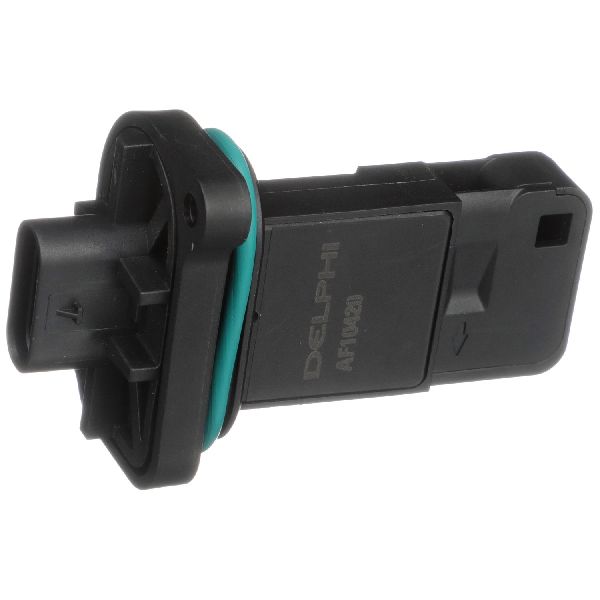
- Tier 2 - Reputable Aftermarket: Brands like Delphi, Vemo, and NGK are known for producing reliable electronic components. While they may not be the original supplier, they offer a good balance of quality and value.
- Tier 3 - Economy Brands: Brands like DriveWire, Global Parts, and Spectra offer the lowest price point. However, for a high-performance and sensitive engine like the M3's, these are generally not recommended. The risk of incorrect readings, poor performance, and short service life often outweighs the initial cost savings.
Can I Just Clean My MAF Sensor?
Sometimes, cleaning the MAF sensor can resolve issues, especially if it's just dirty. Use a dedicated MAF sensor cleaner spray and never touch the delicate internal wires or film. 🎬 See how to safely clean your BMW MAF sensor. However, if the sensor is electronically faulty or old, cleaning will not help, and replacement is the only solution.
Known Issues, Recalls, and Service Bulletins
As of early 2026, there are no specific recalls or Technical Service Bulletins (TSBs) from BMW or the NHTSA directly related to the mass air flow sensor for the 2008-2018 M3 models. Failures are typically due to age, dirt contamination, or issues with oiled aftermarket air filters contaminating the sensor element.
| Item | Estimated Cost |
|---|---|
| New Aftermarket MAF Sensor (per sensor) | $67 - $264 |
| New OEM MAF Sensor (per sensor) | $308 - $475 |
| Shop Labor Cost | $30 - $50 |
| Total Professional Replacement (Aftermarket, 1 sensor) | $97 - $314 |
| Total Professional Replacement (OEM, 1 sensor) | $338 - $525 |
Note: F80 M3 models (2015-2018) require two sensors. Costs are estimates and may vary by location and supplier.
Frequently Asked Questions (FAQ)
Do I need to replace both MAF sensors on my F80 M3?
Yes. The S55 engine uses two MAF sensors, one for each bank of cylinders. To ensure the engine runs smoothly and receives balanced readings, it is best practice to replace them as a pair. Mismatched sensors can lead to performance issues.
Does a new MAF sensor need to be programmed or coded?
No, a new MAF sensor on the E9x and F80 M3 is a plug-and-play part. It does not require any special programming or coding. After installation, it's a good idea to clear any existing engine fault codes with a scan tool.
What happens if I ignore a bad MAF sensor?
Driving with a faulty MAF sensor can cause more significant problems over time. A persistently rich fuel mixture can foul your spark plugs and, more seriously, damage your expensive catalytic converters by causing them to overheat. This can turn a simple sensor replacement into a repair costing thousands of dollars.
Is installing a MAF sensor a DIY job?
Yes, this is one of the easiest DIY jobs on an M3. The sensor is easily accessible on the air intake duct. It is typically held in by two Torx screws and an electrical connector. The entire process usually takes less than 15 minutes.
Helpful Videos
Technical Specifications
OEM Part Numbers: 13627593624 13627843531 13627602038
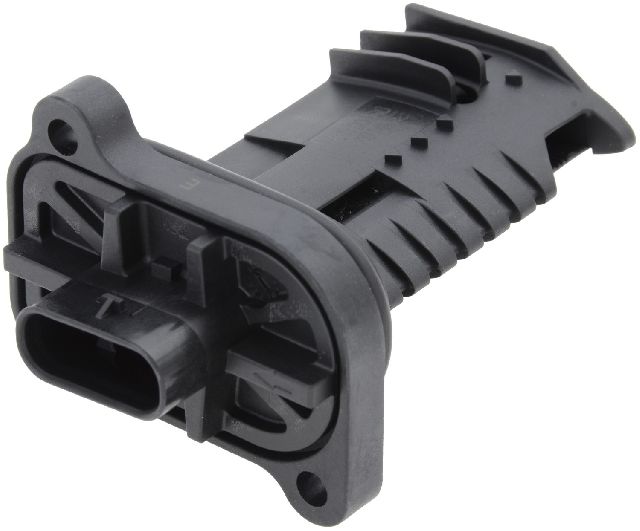
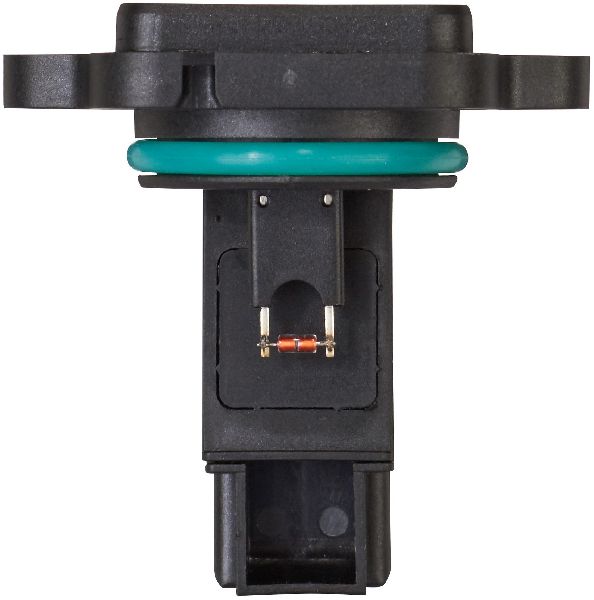
The E9x M3 (S65 engine) and F80 M3 (S55 engine) use different MAF sensors. The F80 M3 requires two sensors. The sensor is a hot-film type that measures air mass and sends a frequency or voltage signal to the DME. It is typically held in place by two T20 or T25 Torx screws.
We Have This Part in Stock


The information in this article is provided for general reference and educational purposes only. Vehicle specifications, procedures, and part compatibility can vary by production date, trim level, and region. Always consult your vehicle's factory service manual and verify part numbers before purchasing or performing repairs. Safety-critical components such as airbags, seat belts, and braking systems should be installed by a qualified professional.
- BMW M3: