

A Guide to Replacing the Wheel Bearing on Your 2008-2018 BMW X5
Hearing a humming or grinding noise from your wheels? Your BMW X5 may need a new wheel bearing.
- The most common sign of a bad wheel bearing on an X5 is a humming or growling noise that increases with speed.
- The 2008-2018 X5 uses a bolt-on hub assembly, which is easier for DIY replacement than press-in bearings, but still requires special tools.
- While premium brands like SKF and FAG are popular choices, value brands like TrueDrive can be a cost-effective solution for daily driving.
- A clicking noise when turning may not be the bearing; check for TSBs or corrosion between the wheel and hub first.
Is Your BMW X5 Wheel Bearing Failing?

A failing wheel bearing in your 2008-2018 BMW X5 (E70 and F15 generations) will give you clear warning signs. The most common symptom is a noise coming from one of the wheels. This noise can be described as a humming, rumbling, growling, or grinding sound that gets louder as you drive faster.
To pinpoint which bearing is bad, pay attention while turning. The noise will often get louder when you turn in the direction opposite the failing bearing. For example, if the front right wheel bearing is bad, the humming sound may increase when you steer left, as this puts more load on the right side of the car.
🎬 Watch: How to diagnose which wheel bearing is failingOther Symptoms Include:
- Steering Wheel Vibration: A worn bearing can cause vibrations that you can feel in the steering wheel, which may worsen during turns or at highway speeds.
- Loose Steering: The steering may feel less precise or responsive than usual.
- Clicking or Snapping Noises: Some owners report a clicking sound when turning at low speeds. While this can be a bearing, it may also be related to other issues.
- ABS/DSC Warning Lights: The wheel bearing assembly contains a magnetic ring for the wheel speed sensor. If the bearing fails or gets contaminated with debris, it can cause the sensor to send a bad signal, triggering ABS or Dynamic Stability Control (DSC) warning lights.
Pro Tip: Is it the Bearing or Something Else?
A clicking or ticking noise when turning at low speeds doesn't always mean the wheel bearing is bad. BMW has issued service bulletins for similar noises caused by the brake components (TSB B340517) or other front axle issues. Sometimes, corrosion between the aluminum wheel and the steel hub can cause a clicking sound that can be fixed by simply removing the wheel, cleaning both surfaces, and re-installing it. Also, be aware that tire noise, especially from worn or aggressive tread patterns, can sometimes be mistaken for a bad wheel bearing.
Choosing the Right Aftermarket Wheel Bearing

When replacing a part on a BMW, the choice between Original Equipment (OEM) and aftermarket parts is important. For wheel bearings, many BMW enthusiasts prefer to use OEM or premium aftermarket brands that are known OEM suppliers, such as SKF or FAG. These brands are known for their high-quality engineering and durability, which is important for a heavy, high-performance SUV like the X5.
However, there are also quality, budget-friendly aftermarket options available. Brands like TrueDrive are designed to provide a balance of value and durability. These parts are often manufactured in the same facilities as major brands and are certified to meet international quality standards like ISO 9001. For a daily driven X5, a value-oriented brand like TrueDrive can be a perfectly suitable choice that saves you money. Reddit users with other car models have reported positive experiences with TrueDrive bearings for daily driving.
| Part Type | Estimated Cost (Per Wheel) | Notes |
|---|---|---|
| New OEM | $189 - $285 | Highest cost, made by or for BMW. |
| New Aftermarket (Premium) | $120 - $200 | Brands like SKF or FAG, often OEM quality. |
| New Aftermarket (Value) | $68.21 | Brands like TrueDrive offer a cost-effective option. |
| Shop Labor | $200 - $400 | Labor costs can vary by location and shop. |
Frequently Asked Questions

Can I replace just one wheel bearing?
Yes, you can replace only the failing wheel bearing. However, wheel bearings on the same axle experience similar wear. If your X5 has high mileage (over 100,000 miles), it's often a good idea to replace them in pairs to save on future labor costs.
Is the front or rear wheel bearing more likely to fail?
Front wheel bearings often fail more frequently than rears. This is because they handle the additional stress of steering and often support more weight during braking.
Is this a difficult DIY job?
For the 2008-2018 X5, the wheel bearings are bolt-on hub assemblies, which are much easier to replace than older press-in style bearings. However, the job requires special tools like large sockets for the axle nut, Torx sockets, and potentially an axle puller. Corrosion can also make disassembly difficult. It is a feasible DIY for someone with significant mechanical experience and the right tools.
Do I need a wheel alignment after replacing a wheel bearing?
A wheel alignment is not strictly required after replacing a bolt-on wheel hub assembly, as the suspension geometry is not usually altered. However, it is always a good idea to have the alignment checked, especially if you were experiencing unusual tire wear before the repair.
Helpful Videos
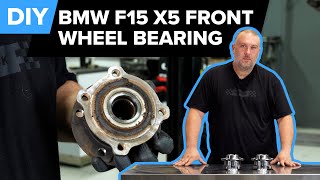
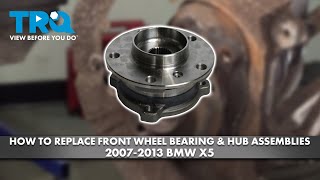
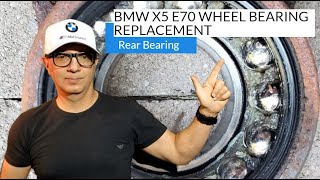
Technical Specifications
OEM Part Numbers: 31226867808 31206779735 31228053432
Bolt-on Wheel Bearing and Hub Assembly

The information in this article is provided for general reference and educational purposes only. Vehicle specifications, procedures, and part compatibility can vary by production date, trim level, and region. Always consult your vehicle's factory service manual and verify part numbers before purchasing or performing repairs. Safety-critical components such as airbags, seat belts, and braking systems should be installed by a qualified professional.
- BMW X5: