

Understanding and Replacing Oxygen Sensors on a 2008-2018 Buick Enclave
Keep your Enclave's 3.6L V6 engine running efficiently by learning to spot and fix a bad oxygen sensor.
- Your 2008-2018 Enclave has four oxygen sensors; identify the correct one before buying.
- ACDelco is the OEM brand, with Denso and NGK being top-tier aftermarket alternatives.
- A check engine light with codes like P0135, P0141, P0155, or P0161 almost always indicates a failed O2 sensor heater.
- The Bank 1 (rear) upstream sensor is the most difficult to replace; downstream sensors are much easier.
Is Your Buick Enclave's Oxygen Sensor Failing?


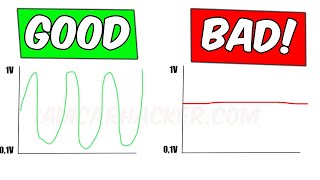
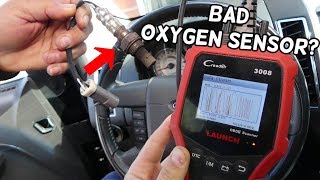
A bad oxygen sensor can cause noticeable problems with your Enclave's performance. Ignoring the signs can lead to more expensive repairs down the road, including damage to your catalytic converters. If your check engine light is on, the first step is to use an OBD2 scanner to read the trouble codes.
🎬 Watch: How to check for bad sensors with an OBD2 scanner.Key Symptoms of a Bad O2 Sensor:
- Check Engine Light: This is the most common sign. Codes like P0135, P0141, P0155, and P0161 point directly to issues with the O2 sensor heater circuits.
- Poor Fuel Economy: When the sensor fails, the engine's computer may receive incorrect data, often causing the engine to run rich (using too much fuel).
- Rough Idle and Misfires: An improper air-fuel mixture can cause the engine to idle poorly, hesitate, or misfire.
- "Rotten Egg" Smell: A strong sulfur smell from the exhaust can indicate a failing sensor and an overly rich fuel mixture.
- Failed Emissions Test: A faulty O2 sensor is a common reason for failing a smog check. 🎬 See this breakdown of common symptoms you shouldn't ignore.
A Known Issue for Some Enclave Models
A General Motors Technical Service Bulletin (TSB #18-NA-009) affects some 2016-2017 Enclave models. It notes that a power steering fluid leak can drip onto the Bank 1 oxygen sensor wiring, causing sensor failure and triggering codes like P0131, P0132, or P0133. If you have these codes, inspect the area above the Bank 1 sensor for any signs of fluid leaks before replacing the sensor.
Choosing the Right Aftermarket Oxygen Sensor

When shopping for a new oxygen sensor for your Enclave, you'll find several brands. Quality can vary, so it's important to choose wisely. For GM vehicles, sticking with the original equipment manufacturer or a proven equivalent is often the safest bet.
Brand Quality Tiers for Buick Enclave:
Tier 1: OEM / Premium Aftermarket:
- ACDelco: This is the Original Equipment (OE) brand for your Buick. Choosing ACDelco guarantees a perfect fit and performance identical to the factory part.
- Denso & NGK/NTK: These brands are major OEM suppliers for many automakers and are widely regarded as high-quality, reliable alternatives to ACDelco. They are often considered OE-equivalent in performance and longevity.
- Bosch: A well-known brand that produces quality sensors. While some vehicle models can be sensitive to non-OEM brands, Bosch is generally a trusted option.
Tier 2: Standard Aftermarket:
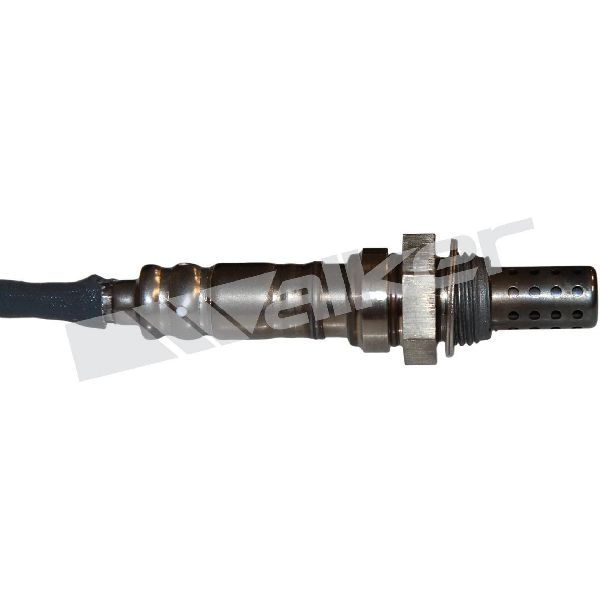
- Delphi, Spectra, Walker Products: These brands offer a balance of quality and value. They are generally reliable for daily driving but may not have the same lifespan as premium brands. Some technicians report that Walker brand sensors can be problematic.
Tier 3: Economy Brands:
- DriveWire: This is a budget-friendly option. While it can get the job done, its long-term durability and performance may not match that of higher-tier brands.
Direct-Fit vs. Universal Sensors
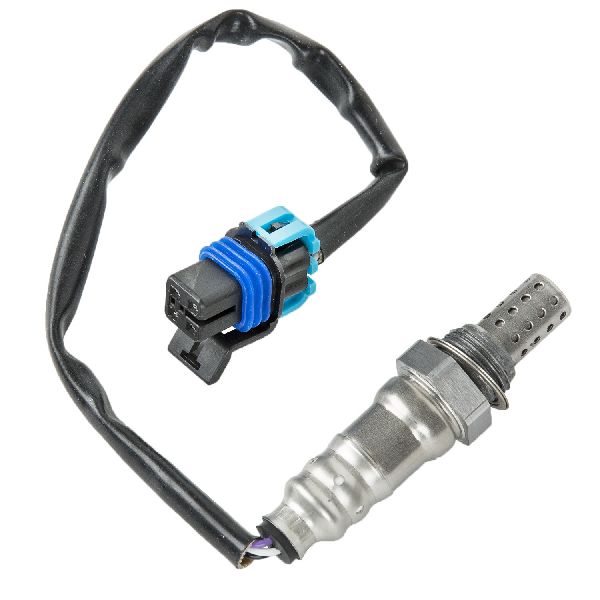
Always choose a "direct-fit" sensor for your Enclave. These come with the correct-length wires and factory-style connector, making installation much easier. Universal sensors require you to cut and splice wires, which can lead to connection problems and is not recommended.
Cost to Replace Buick Enclave Oxygen Sensors
The cost depends on the brand you choose and whether you do the work yourself or hire a mechanic. Your Enclave has four sensors, but you typically only need to replace the one that has failed.
| Item | Estimated Cost |
|---|---|
| New Aftermarket Oxygen Sensor | $35 - $199 (per sensor) |
| Shop Labor | $100 - $250 |
| Total Professional Replacement | $135 - $449 (per sensor) |
Frequently Asked Questions (FAQ)

How many oxygen sensors does my 2008-2018 Enclave have?
Your Buick Enclave with the 3.6L V6 engine has four oxygen sensors. There are two upstream sensors (Bank 1 Sensor 1, Bank 2 Sensor 1) and two downstream sensors (Bank 1 Sensor 2, Bank 2 Sensor 2).
What's the difference between upstream and downstream sensors?
Upstream sensors (Sensor 1) are located in the exhaust manifold before the catalytic converter. They are crucial for managing the engine's air-fuel mixture. Downstream sensors (Sensor 2) are located after the catalytic converter and primarily monitor its efficiency.
Which sensor is Bank 1 and which is Bank 2?
On the Enclave's 3.6L V6, Bank 1 is the cylinder bank closer to the firewall (the back of the engine bay). Bank 2 is the cylinder bank closer to the radiator (the front of the vehicle).
Can I replace an oxygen sensor myself?
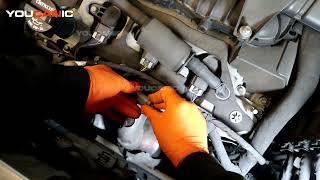
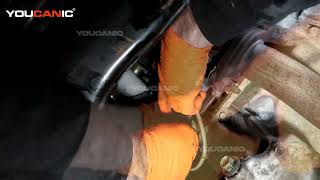
Yes, this is a feasible DIY job for many home mechanics. The downstream sensors and the Bank 2 (front) upstream sensor are relatively accessible. However, the Bank 1 🎬 Watch this walkthrough for replacing the Bank 2 upstream sensor. (rear) upstream sensor is very difficult to reach and may require removing other components like the intake manifold for access. You will need a special oxygen sensor socket to do the job.
Should I replace all four sensors at once?
It is not necessary, but it is sometimes recommended, especially on higher-mileage vehicles. O2 sensors wear out over time, so if one has failed, the others may not be far behind. However, you can save money by only replacing the specific sensor that has failed and triggered a code.
Helpful Videos
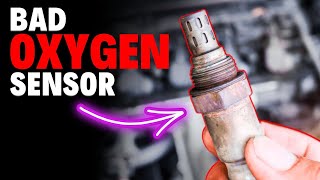
Technical Specifications
OEM Part Numbers: 12612430
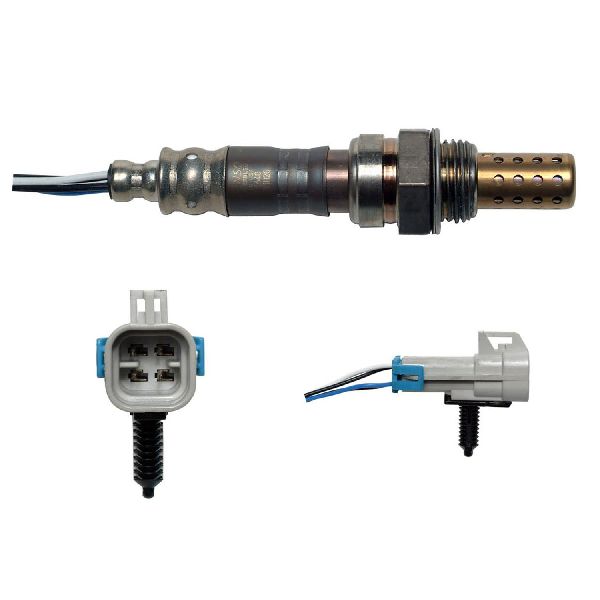
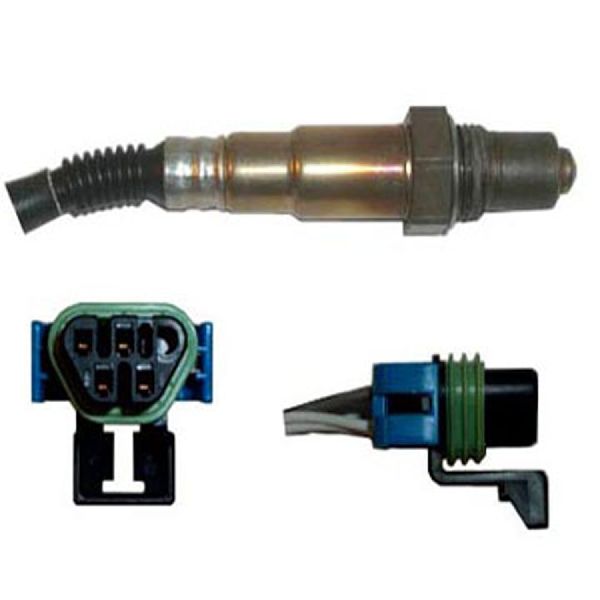
The 3.6L V6 engine uses four heated, 4-wire oxygen sensors. A special 22mm (7/8") slotted socket is required for removal and installation. The tightening torque is approximately 37 ft-lbs (50 Nm).
We Have This Part in Stock


The information in this article is provided for general reference and educational purposes only. Vehicle specifications, procedures, and part compatibility can vary by production date, trim level, and region. Always consult your vehicle's factory service manual and verify part numbers before purchasing or performing repairs. Safety-critical components such as airbags, seat belts, and braking systems should be installed by a qualified professional.
- Buick Enclave:
- 🎬 Helpful Videos
- 🛍️ Shop This Part
- Is Your Buick Enclave's Oxygen Sensor Failing?
- Key Symptoms of a Bad O2 Sensor:
- A Known Issue for Some Enclave Models
- Choosing the Right Aftermarket Oxygen Sensor
- Brand Quality Tiers for Buick Enclave:
- Direct-Fit vs. Universal Sensors
- Cost to Replace Buick Enclave Oxygen Sensors
- Frequently Asked Questions (FAQ)
- 🎟️ Get 5% Off