

A Complete Guide to the Ignition Knock Sensor for the 2008-2018 Dodge Challenger
Understanding this critical sensor can save your Challenger's engine from serious damage and restore its performance.
- On V6 and HEMI V8 engines, the sensors are under the intake manifold, making replacement a significant job.
- Due to the high labor involved, always replace both sensors and the wiring harness at the same time.
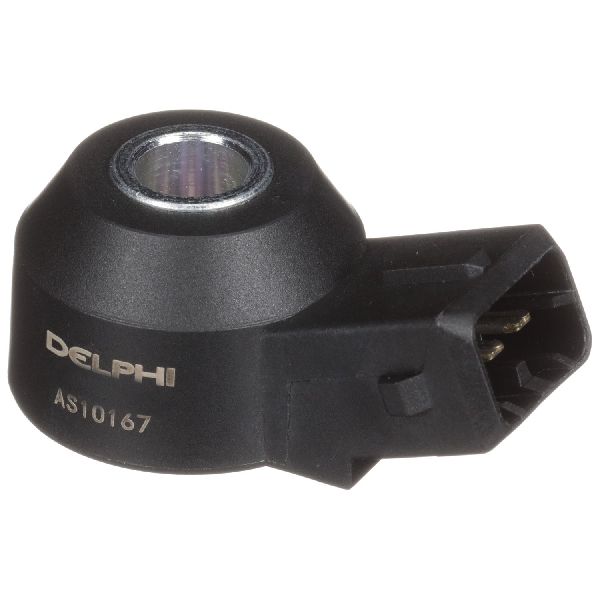
- Using a high-quality aftermarket brand (like Delphi, NGK) or OEM Mopar is strongly advised to avoid repeat repairs.
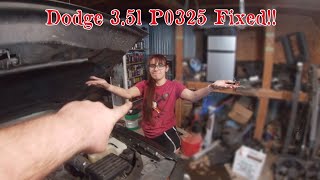
- Common symptoms include a Check Engine Light with codes P0325 or P0330, poor acceleration, and bad gas mileage.
Is Your Challenger Acting Sluggish or Throwing a Code?

A failing knock sensor can cause a range of frustrating problems. Because the engine's computer can't get reliable information, it may switch to a 'safe mode,' reducing power to prevent potential damage. This can make your powerful Challenger feel surprisingly slow and unresponsive.
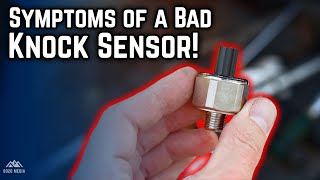
Symptoms of a Bad Knock Sensor
- Check Engine Light: This is the most common symptom. You will likely see codes such as P0325 (Knock Sensor 1 Circuit Malfunction) or P0330 (Knock Sensor 2 Circuit Malfunction).
- Reduced Engine Power: The ECU will retard ignition timing to protect the engine, resulting in poor acceleration and a general feeling of sluggishness.
- Audible Engine Knocking or Pinging: You might hear a metallic pinging sound, especially when accelerating or under load. This is the sound of the detonation that the sensor is supposed to detect and prevent.
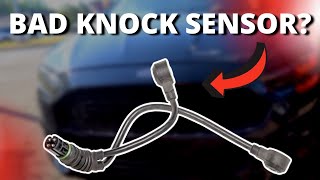
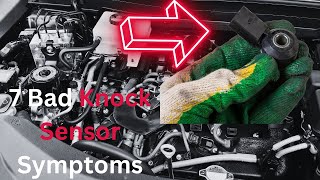
- Worse Fuel Economy: An engine that isn't running at its optimal timing will burn more fuel than necessary. 🎬 Watch: 7 common signs of a bad knock sensor
A Critical Note for V6 and HEMI V8 Owners
On most Dodge Challenger engines, including the 3.5L V6, 3.6L Pentastar V6, and all HEMI V8s (5.7L, 6.1L, 6.4L), the two knock sensors are located in the valley between the cylinder heads, underneath the intake manifold. This makes replacement a much more involved and labor-intensive job compared to sensors on other vehicles. It requires removing the entire upper and lower intake manifold to gain access. Because of the high labor cost, it is strongly recommended to use high-quality parts and replace both sensors and the wiring harness at the same time.
Choosing the Right Aftermarket Knock Sensor

While Mopar is the original equipment manufacturer (OEM), several reputable aftermarket brands offer quality replacements. Given the difficult installation on most Challenger engines, this is not a part where you want to choose the absolute cheapest option.
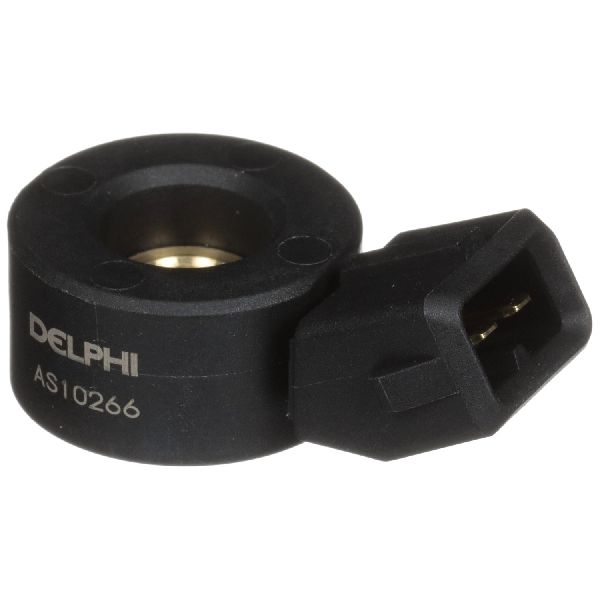
- Top-Tier Aftermarket (Recommended): Brands like Delphi, NGK/NTK, and Standard Ignition (SMP) have a strong reputation for producing sensors that meet or exceed OEM specifications. They are trusted in the industry and are a solid choice for a reliable repair.
- Value-Oriented Aftermarket: Brands like Dorman and Walker Products offer a more budget-friendly alternative. While some users have success, others in forums report mixed results with sensor longevity, which can be a gamble considering the labor involved in a do-over.
- OEM Mopar: For those who want zero doubt, the original Mopar part is the benchmark. It will be the most expensive option, but it guarantees a perfect fit and original performance.
Pro Tip: When replacing knock sensors located under the intake manifold, always replace the intake manifold gaskets as well. They are single-use and will be destroyed during removal. Also, inspect and consider replacing the knock sensor wiring harness, as it can become brittle and cause connection issues.
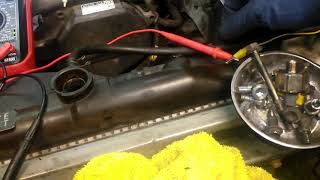
🎬 See how to test your sensor before starting this repairCost of Replacing a Dodge Challenger Knock Sensor
| Part/Service | Estimated Cost |
|---|---|
| New OEM (Mopar) | $75 - $205 per sensor |
| New Aftermarket | $19 - $173 per sensor |
| Shop Labor | $220 - $322+ |
| Total Professional Replacement | $340 - $530+ |
Costs are estimates and can vary based on your vehicle's engine, location, and the parts chosen. The labor cost is significantly higher for V6 and V8 models where the intake manifold must be removed.
Frequently Asked Questions

Where are the knock sensors located on my Challenger?
For 3.5L V6, 3.6L V6, and all HEMI V8 engines, the two knock sensors are located on the engine block in the valley between the cylinder heads, underneath the upper and lower intake manifolds. This makes them difficult to access.
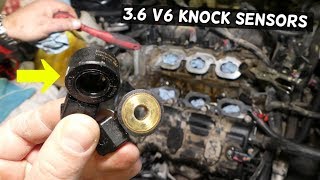
🎬 Watch this walkthrough for replacing Pentastar 3.6L knock sensorsDo I need to replace both knock sensors at once?
Yes. Because accessing the sensors requires removing the intake manifold—a labor-intensive job—it is highly recommended to replace both sensors and the wiring harness at the same time. This prevents you from having to pay for the same labor twice if the second original sensor fails soon after the first.
What happens if I don't replace a bad knock sensor?
Your engine's computer will default to a safe mode with retarded ignition timing, causing poor performance and high fuel consumption. More importantly, if there is a real detonation problem, the computer won't be able to correct for it, which can lead to severe and expensive engine damage over time.
Are there any recalls for the knock sensor on the 2008-2018 Challenger?
No, searches of the National Highway Traffic Safety Administration (NHTSA) database did not find any specific recalls for the ignition knock sensor itself. There have been recalls related to the Powertrain Control Module (PCM) software, which interacts with the knock sensor, but not the sensor hardware.
Helpful Videos

Technical Specifications
OEM Part Numbers: 5033316AA 68166540AA 68570138AA 4606093AE
Most Challenger models use two knock sensors. On V6 and V8 engines, they are located in the engine valley beneath the intake manifold. Proper torque specification during installation is critical for accurate readings (typically around 15-16 ft-lbs).
We Have This Part in Stock


The information in this article is provided for general reference and educational purposes only. Vehicle specifications, procedures, and part compatibility can vary by production date, trim level, and region. Always consult your vehicle's factory service manual and verify part numbers before purchasing or performing repairs. Safety-critical components such as airbags, seat belts, and braking systems should be installed by a qualified professional.
- Dodge Challenger: