

Honda Accord Engine Oil Pressure Switch Guide (2008-2018)
Is your oil light on even when the oil is full? Your oil pressure switch might be the problem.
- A flickering oil light with a full dipstick often points to a bad oil pressure switch.
- V6 models are especially known for the switch leaking oil; check this before suspecting larger engine seal leaks.
- Using OEM or a high-quality aftermarket brand is recommended to prevent thread issues and repeat leaks.
- Always use a new O-ring or proper thread sealant, and never over-tighten the new switch.
Symptoms of a Failing Oil Pressure Switch

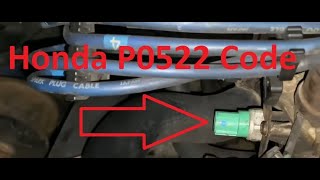
A bad oil pressure switch can cause confusing problems. The most common sign is the oil pressure warning light coming on or flickering, even if you know the oil level is correct. You might also see an active Check Engine Light with codes like P0522. 🎬 Watch this guide to diagnosing and fixing the P0522 code. Another major symptom, especially on V6 models, is a visible oil leak from the switch itself. The switch is known to leak internally through the plastic connector, so if you pull off the electrical plug and see oil, the switch has failed.
Known Issue: V6 Accord Oil Leaks
The oil pressure switch on V6 Accords from this generation is a very common failure point for oil leaks. The switch is often located on the front cylinder head as part of the VCM spool valve assembly. It can leak oil down the front of the engine, sometimes being mistaken for a more serious oil pan or main seal leak. Always check this switch first if you see oil on the passenger side of the engine.
🎬 See how to identify and fix a leaking V6 spool valve.Choosing the Right Aftermarket Switch

When replacing this part, you have a few options. Because a failed switch can either cause a messy leak or fail to warn you of a real low-oil problem, quality is important.
- Genuine Honda (OEM): This is the original part your car came with. It's the most expensive option but guarantees perfect fit and function. Many mechanics recommend sticking with OEM for this specific part to avoid leaks, as some aftermarket versions have different thread pitches or sealing issues.
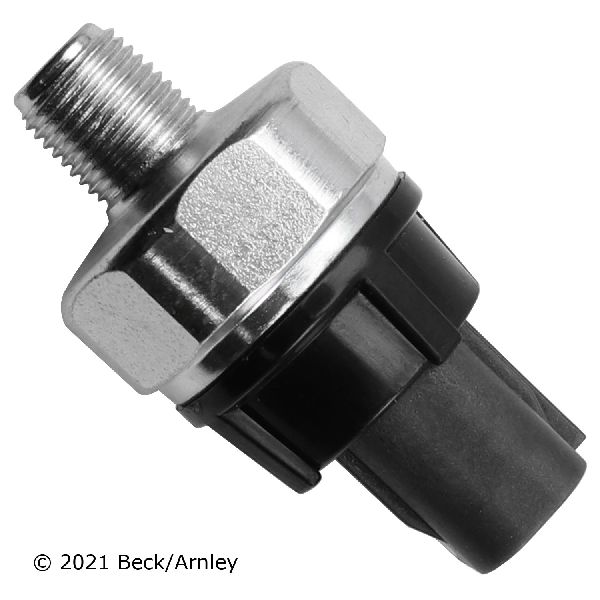
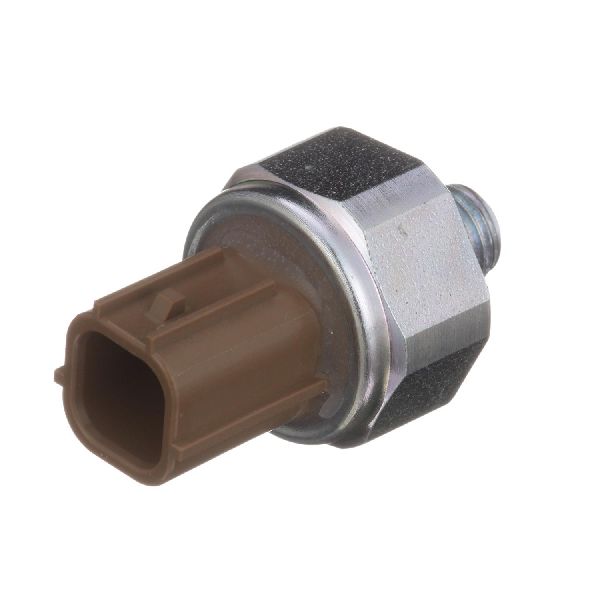
- Premium Aftermarket (e.g., Standard Ignition, Beck Arnley): These brands are well-known in the aftermarket and often produce parts that meet or exceed original specifications. They are a good balance of cost and quality and are generally considered reliable replacements.
- Economy Aftermarket (e.g., Walker Products, True Tech, Global Parts): These are the most budget-friendly options. While they can save you money upfront, some users report issues with leaks or premature failure with lower-cost electronic sensors. If you choose an economy brand, be extra careful during installation to ensure threads match and use a proper sealant to prevent leaks.
Pro Tip: Always Use a New Seal
Whether your new switch comes with a new O-ring or requires sealant, never reuse the old one. For switches with pipe threads, use a small amount of liquid thread sealant designed for oil and sensors. Do not use Teflon tape, as pieces can break off and clog oil passages. Torque the switch to the manufacturer's specification—over-tightening can crack the engine block.
Cost of Replacing an Engine Oil Pressure Switch
| Part Type | Estimated Cost |
|---|---|
| New OEM (Genuine Honda) | $60 - $255 |
| New Aftermarket | $13.67 - $330.74 |
| Shop Labor | $50 - $150 |
Frequently Asked Questions

Where is the oil pressure switch located on my 2008-2018 Accord?
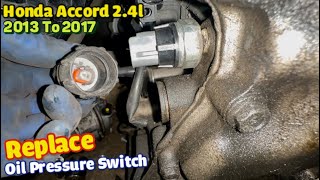
The location depends on your engine. On 4-cylinder models, it's typically screwed into the back of the engine block, near the oil filter. 🎬 Watch this step-by-step replacement for 4-cylinder Accord models. On V6 models, there are often multiple switches. The most common one to fail and leak is located on the VCM spool valve assembly on the front or rear cylinder head.
Can I replace the oil pressure switch myself?
Yes, this is a DIY-friendly job for most home mechanics. It usually requires removing the passenger-side front wheel for access. The main tools needed are a jack, jack stands, a ratchet, and a special deep socket (often 22mm, 24mm, or 27mm) for the switch. The job typically takes less than an hour.
My oil light is on. Does that definitely mean the switch is bad?
Not necessarily. The first thing you should always do is check your engine oil level. An illuminated oil light means the pressure is low, which could be from a bad switch, low oil level, a failing oil pump, or internal engine problems. If the oil level is correct, the switch is the next logical part to check, as it's a common and inexpensive failure point.
Are there any recalls for the oil pressure switch?
There are no specific recalls for the engine oil pressure switch on 2008-2018 Honda Accords. However, Honda has issued Technical Service Bulletins (TSBs) for related issues, such as TSB 13-021, which addresses codes P2646 and P2647 related to the rocker arm oil pressure switch on some models, recommending replacement. Always check for TSBs that may apply to your specific year and engine.
Helpful Videos

Technical Specifications
OEM Part Numbers: 37240-R70-A04 37241-RNA-A01 37260-RNA-A01 37250-PNE-G01 37250-5A2-A01
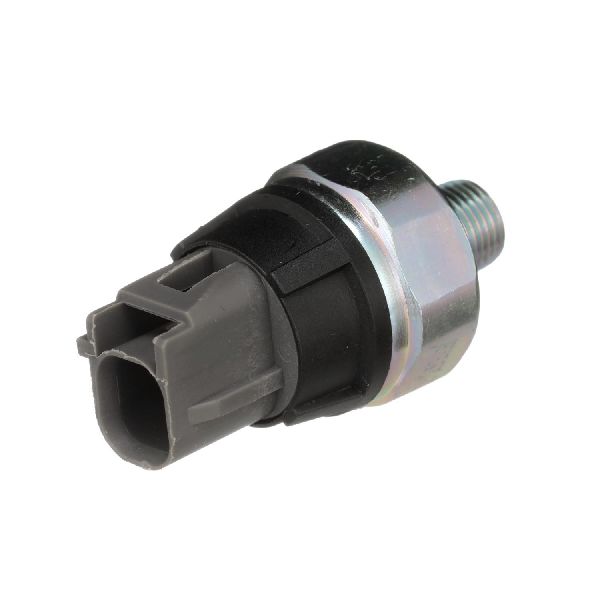
Location and part number vary between 4-cylinder and V6 engines, and even by model year. V6 models may have multiple switches for the VTEC/VCM system. The switch for the 4-cylinder is typically a single-pin connector, while V6 switches can be more complex. A deep socket (22mm, 24mm, or 27mm) is required for removal.
We Have This Part in Stock


The information in this article is provided for general reference and educational purposes only. Vehicle specifications, procedures, and part compatibility can vary by production date, trim level, and region. Always consult your vehicle's factory service manual and verify part numbers before purchasing or performing repairs. Safety-critical components such as airbags, seat belts, and braking systems should be installed by a qualified professional.
- Honda Accord: