

Jeep Wrangler JK (2008-2018) Catalytic Converter Replacement Guide
Everything a JK owner needs to know before replacing their catalytic converter.
- Identify your engine first: 2008-2011 models use a 3.8L V6 with a Y-pipe assembly, while 2012-2018 models have a 3.6L V6 with converters integrated into the manifolds.
- Always diagnose the root cause of failure (like oil consumption on the 3.8L or bad O2 sensors) before replacing the converter to avoid repeat failures.
- Check your state's laws. You must use a CARB-compliant converter in California and several other states.
- For aftermarket, direct-fit is essential. Premium brands like MagnaFlow and Walker offer the best reliability, while budget brands are a significant gamble on fit and function.
Understanding Your Wrangler's Catalytic Converters

The 2008-2018 Jeep Wrangler JK generation uses two different engine and exhaust setups, which is crucial for ordering the right parts.
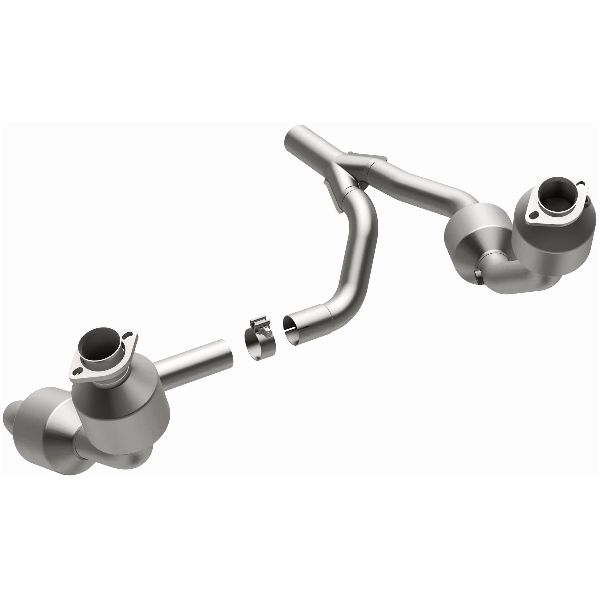
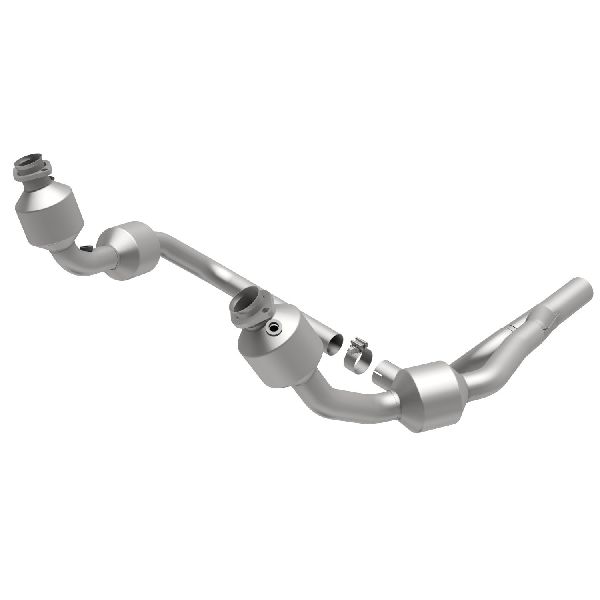
- 2008-2011 Jeep Wrangler (3.8L V6): These models have a more traditional setup with two pre-converters located further down the exhaust pipes and a main converter. This system is often sold as a complete Y-pipe assembly.
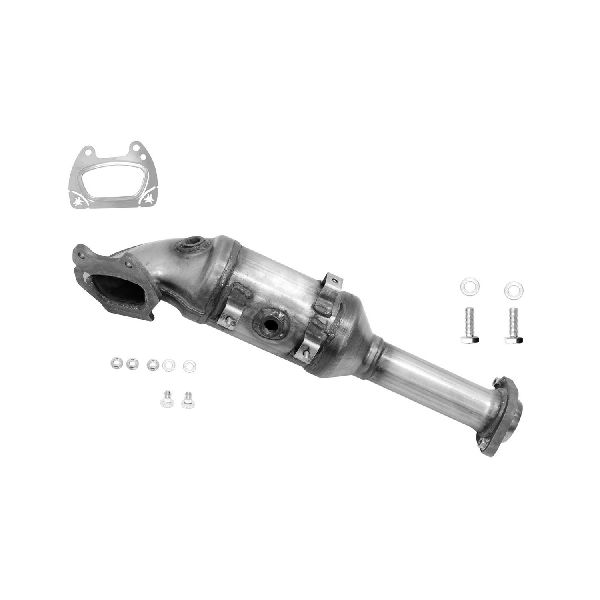
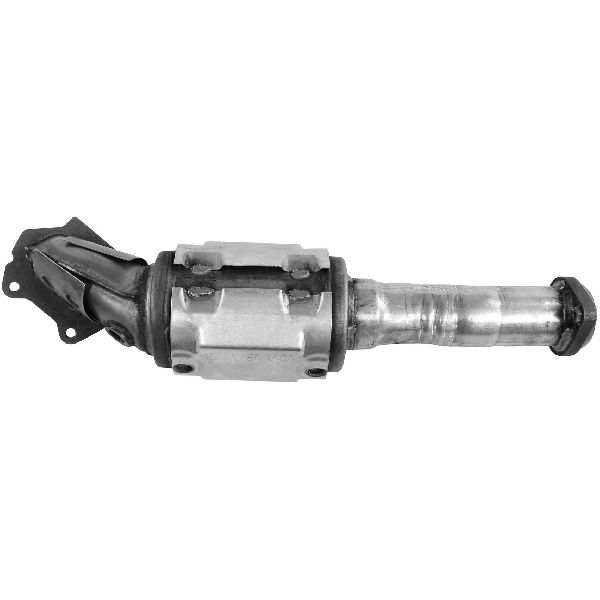
- 2012-2018 Jeep Wrangler (3.6L V6 Pentastar): These models have two primary catalytic converters integrated directly into the exhaust manifolds, one on each side of the engine (Bank 1 on the passenger side, Bank 2 on the driver's side). This design makes them harder to access and replace. 🎬 See this step-by-step 2012-2018 Wrangler converter replacement walkthrough
Common Causes of Failure in Jeep Wranglers

Catalytic converters don't usually fail on their own. An underlying issue is almost always the real culprit. Ignoring the root cause will lead to the new converter failing prematurely.
- Engine Misfires: Unburnt fuel entering the exhaust can superheat and melt the converter's internal structure.
- Oil Consumption (3.8L V6): The 3.8L engine is known for potential oil consumption issues. This oil burns in the exhaust and can contaminate and clog the catalytic converter.
- Bad Oxygen Sensors: Faulty O2 sensors can send incorrect data to the engine's computer, leading to a rich fuel mixture that damages the converter.
- Physical Damage: While less common due to their location, off-roading can lead to impacts that crack the ceramic honeycomb inside.
Check Engine Light Codes: P0420 and P0430
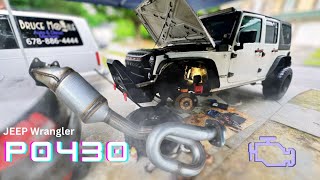
The most common sign of a failing converter is a check engine light with codes P0420 (Catalyst Efficiency Below Threshold Bank 1) or P0430 (Bank 2). Bank 1 refers to the passenger side on the 3.6L engine, while Bank 2 is the driver's side. Always diagnose the underlying cause before replacing 🎬 Watch: How to properly diagnose a failing catalytic converter the converter. A bad O2 sensor can also trigger these codes.
Choosing the Right Aftermarket Catalytic Converter

OEM converters from Jeep are expensive, often costing over $1,500 per side. Aftermarket parts offer a more affordable solution, but quality varies significantly. It's important to understand the legal requirements and brand tiers.
Legal Requirements: EPA vs. CARB
Before you buy, you must know your state's emissions laws.
- EPA/Federal: Most states follow federal EPA standards. These converters are less expensive.
- CARB: California, New York, Colorado, Maine, and other states that have adopted California's strict emissions standards require CARB-compliant converters. These are more expensive due to higher precious metal content and more rigorous testing. Installing a non-CARB part in a CARB state is illegal and will result in a failed emissions test.
Direct-Fit vs. Universal
For the Jeep Wrangler JK, a direct-fit converter is highly recommended. These are designed to bolt directly into the factory location with no cutting or welding required. Universal converters are cheaper but require a professional exhaust shop to weld them into place, adding to labor costs and potential fitment issues.
Aftermarket Brand Tiers for Jeep Wrangler
Not all aftermarket brands are created equal. They generally fall into three tiers:
- Premium Aftermarket (MagnaFlow, Walker): These brands are well-regarded for their quality, fitment, and durability. They use high-quality materials and proper catalyst loadings to ensure the check engine light stays off. They are the most expensive aftermarket option but offer the best performance and longevity.
- Mid-Grade Aftermarket (Omix-Ada, Eastern Catalytic): Omix-Ada is a well-known Jeep specialist brand offering direct-fit parts that meet or exceed OEM standards. Eastern Catalytic offers a wide range of direct-fit options that provide good value, though some users report issues with included hardware like gaskets. These brands offer a good balance of price and quality.
- Budget Aftermarket (Davico, Evan Fischer, AP Exhaust): These are the most affordable options. While tempting, they can be a gamble. Forum discussions and reviews mention potential fitment issues, lower quality materials, and a higher likelihood of the check engine light returning. Davico, for instance, is known for being budget-friendly but can have inconsistent quality control. These parts may be a short-term fix but often don't last.
| Part Type | Price Range (Per Converter/Assembly) | Notes |
|---|---|---|
| New OEM | $1,480 - $2,146 | Highest quality and guaranteed fit, but very expensive. |
| New Aftermarket | $194 - $1,963 | Wide range. Premium brands are on the higher end, budget on the lower. |
| Shop Labor | $227 - $333 | Varies by shop and model year (3.6L is typically more labor-intensive). |
Frequently Asked Questions (FAQ)

Is there a recall for the catalytic converter on the 2008-2018 Wrangler?
No, there are no active recalls specifically for catalytic converter failure on the 2008-2018 Jeep Wrangler JK. Recalls have been issued for other Jeep models or for different issues on the Wrangler, but not for this specific part and year range.
Do I need to replace my oxygen sensors at the same time?
It is highly recommended. A failing O2 sensor can cause a converter code, and an old sensor may not work well with a new converter. Since you have to remove them during the replacement, installing new ones saves on future labor costs and helps ensure the system works correctly.
Are Jeep Wrangler catalytic converters a target for theft?
Generally, no. On the 2012-2018 models with the 3.6L engine, the primary converters are integrated into the manifolds high in the engine bay, making them very difficult for thieves to access quickly. The 3.8L models are also not a primary target compared to other vehicles where converters are more exposed.
What is the break-in procedure for a new catalytic converter?
After installation, start the engine but do not rev it. Let it idle for about five minutes. Then, drive the vehicle for 20-30 minutes, varying your speed. This allows the converter to heat up properly and cure the matting material inside, which prevents damage. Some owners report issues like rough idle or new codes appearing if this process is skipped.
Helpful Videos
Technical Specifications
OEM Part Numbers: 68085148AG
Varies by engine. 2008-2011 3.8L V6 uses a Y-pipe assembly with pre-cats and a main converter. 2012-2018 3.6L V6 uses two manifold-integrated converters.
We Have This Part in Stock

The information in this article is provided for general reference and educational purposes only. Vehicle specifications, procedures, and part compatibility can vary by production date, trim level, and region. Always consult your vehicle's factory service manual and verify part numbers before purchasing or performing repairs. Safety-critical components such as airbags, seat belts, and braking systems should be installed by a qualified professional.
- Jeep Wrangler:
- 🎬 Helpful Videos
- 🛍️ Shop This Part
- Understanding Your Wrangler's Catalytic Converters
- Common Causes of Failure in Jeep Wranglers
- Check Engine Light Codes: P0420 and P0430
- Choosing the Right Aftermarket Catalytic Converter
- Legal Requirements: EPA vs. CARB
- Direct-Fit vs. Universal
- Aftermarket Brand Tiers for Jeep Wrangler
- Frequently Asked Questions (FAQ)
- 🎟️ Get 5% Off