

Buick Enclave Ignition Knock Sensor (2008-2019): A Complete Replacement Guide
Experiencing poor acceleration or a check engine light? Your Enclave's knock sensor might be the culprit.
- Replacement is much harder and costlier on 2008-2017 models than on 2018-2019 models.
- For 2008-2017 Enclaves, use a premium brand (ACDelco, Delphi, NGK, Standard) to avoid repeating the high-labor repair.
- Always replace both knock sensors at the same time on first-generation models.
- Inspect the wiring harness for corrosion, which can be caused by known water leak issues on this vehicle.
Is Your Enclave Showing Signs of a Bad Knock Sensor?

When a knock sensor fails, your Enclave's computer will play it safe to prevent engine damage. It often reduces engine power, leading to noticeable performance issues. You might be dealing with a faulty knock sensor if you experience the following:
- Check Engine Light: This is the most common sign. The computer will store a diagnostic trouble code, most often P0327 or P0332.
- Sluggish Acceleration: The vehicle may feel weak or slow to respond when you press the gas pedal.
- Audible Engine Pinging: You might hear a metallic pinging or rattling sound from the engine, especially when accelerating or going uphill.
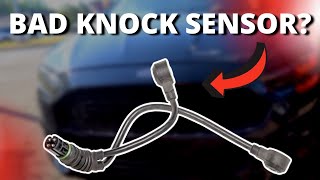
- Reduced Fuel Economy: An engine that isn't running efficiently will burn more fuel. 🎬 Watch: A breakdown of common bad knock sensor symptoms
Generation Matters: A Tale of Two Enclaves

The 2008-2019 model years cover two different generations of the Buick Enclave, and the knock sensor replacement job is very different between them.
2008-2017 Buick Enclave (First Generation)
On these models, the two knock sensors are located on the sides of the engine block, often requiring the removal of heat shields and other components to access them from underneath. This is a labor-intensive job, with mechanics often charging for 2-3 hours of work. Because labor is the biggest expense, choosing a cheap, low-quality sensor is a bad idea. If it fails, you'll have to pay for the same expensive job all over again.
2018-2019 Buick Enclave (Second Generation)
The redesigned 3.6L engine in the second-generation Enclave has more accessible sensors. Repair estimates for these models show significantly lower labor costs, suggesting a much simpler replacement. While quality is still important, the financial penalty for a failed part is much lower than on the first-generation models.
Choosing the Right Aftermarket Knock Sensor

For a critical sensor, especially on the 2008-2017 models, brand quality is key. Here’s a breakdown of available brands:
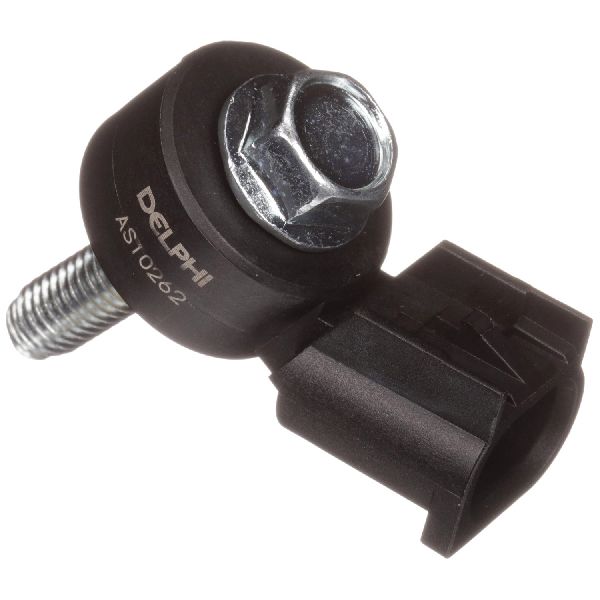
- Tier 1 (OEM & Premium Aftermarket): ACDelco is the original GM part and the benchmark for quality. Delphi was also a major original equipment supplier for GM, and their parts are widely considered to be of equal quality. NGK/NTK and Standard Ignition (SMP) are highly respected brands trusted by many professional mechanics for their reliability. For first-generation Enclaves, sticking to one of these brands is strongly recommended.
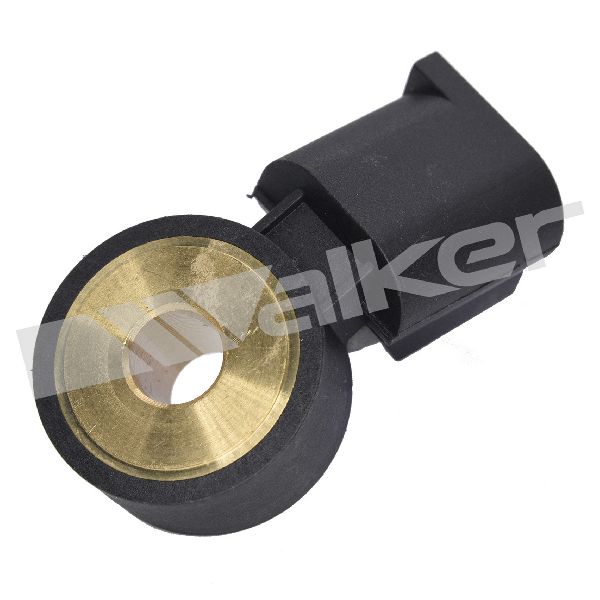
- Tier 2 (Value Brands): Brands like Walker Products, Holstein, and Motorad offer more budget-friendly options. While functional, some forum users report mixed results with value-brand electronics. These could be a viable option for a second-generation Enclave where the labor for a potential replacement is less of a concern.
Pro Tip: The 3.6L V6 has two knock sensors (Bank 1 and Bank 2). Since the replacement on 2008-2017 models is so labor-intensive, it is highly recommended to replace both sensors at the same time, along with the wiring harness if it shows any signs of corrosion or brittleness.
Cost of Replacing a Buick Enclave Knock Sensor
| Item | Estimated Cost |
|---|---|
| Shop Labor | $170 - $300 (2008-2017) $100 - $150 (2018-2019) |
| New OEM Part (ACDelco) | $70 - $90 (for two) |
| New Aftermarket Part | $27 - $55 (for one) |
| Total (Shop Installed, Aftermarket) | $225 - $400+ |
Potential Related Issues: Water Leaks

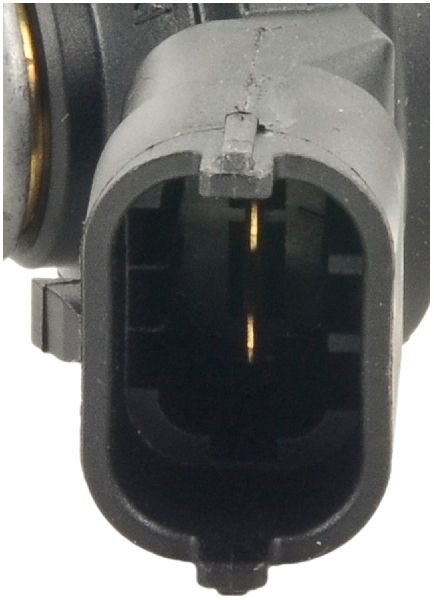
While there are no direct recalls for the knock sensor, numerous Technical Service Bulletins (TSBs) exist for the 2008-2017 Enclave platform regarding water leaks from the sunroof drains, windshield seals, and roof seams. These leaks can allow water to run down into the engine bay and onto electrical components. Over time, this moisture can lead to corrosion on sensor connectors, including the knock sensor harness, causing fault codes. When replacing the sensors, inspect the wiring for any green or white corrosion.
Frequently Asked Questions
Can I still drive my Enclave with a bad knock sensor?
Yes, but it's not recommended for long. The engine computer will default to a 'safe' mode with reduced power and performance to protect the engine. You'll experience poor acceleration and fuel economy until the sensor is replaced.
What do the codes P0327 and P0332 mean?
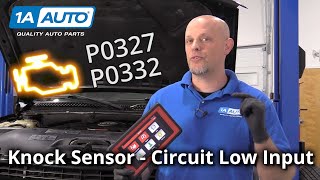
P0327 refers to a low voltage signal from the knock sensor on Bank 1 (the rear cylinder bank, closer to the firewall). P0332 refers to the same issue on Bank 2 (the front cylinder bank). These codes usually point to a failed sensor, a wiring problem, or a corroded connector.
🎬 See how to diagnose low input codes P0327 and P0332Why is the installation torque so important?
A knock sensor is a type of microphone that must be in perfect contact with the engine block to 'hear' vibrations correctly. The correct torque ensures this contact. Over-tightening can damage the sensor, while under-tightening can prevent it from working at all. The correct specification for the Enclave is around 17 lb-ft (23 Nm).
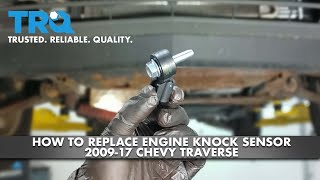
🎬 Watch: 2008-2017 Buick Enclave knock sensor location and replacementIs this a DIY job?
For 2018-2019 models, it is feasible for a DIYer with some experience. For 2008-2017 models, it is a difficult job due to tight access. It requires working from under the vehicle and removing other parts. It is recommended for experienced DIYers or a professional mechanic.
Helpful Videos
Technical Specifications
OEM Part Numbers: 12729597 12692505 12636736 12605738
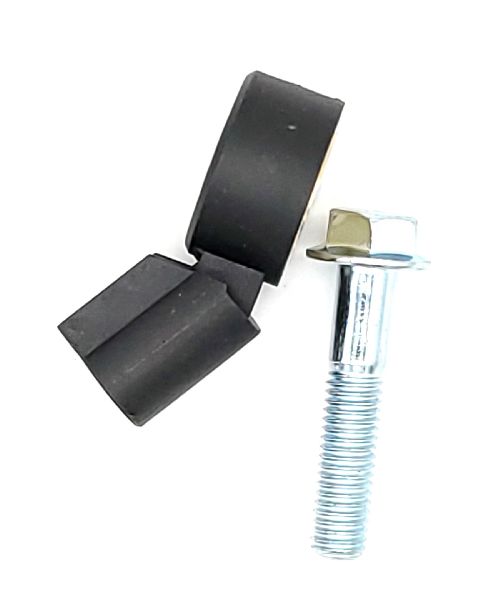
The 3.6L V6 engine uses two bolt-on piezoelectric knock sensors. The mounting bolt must be torqued to 17 lb-ft (23 Nm) for proper operation.
We Have This Part in Stock


The information in this article is provided for general reference and educational purposes only. Vehicle specifications, procedures, and part compatibility can vary by production date, trim level, and region. Always consult your vehicle's factory service manual and verify part numbers before purchasing or performing repairs. Safety-critical components such as airbags, seat belts, and braking systems should be installed by a qualified professional.
- Buick Enclave:
- 🎬 Helpful Videos
- 🛍️ Shop This Part
- Is Your Enclave Showing Signs of a Bad Knock Sensor?
- Generation Matters: A Tale of Two Enclaves
- 2008-2017 Buick Enclave (First Generation)
- 2018-2019 Buick Enclave (Second Generation)
- Choosing the Right Aftermarket Knock Sensor
- Cost of Replacing a Buick Enclave Knock Sensor
- Potential Related Issues: Water Leaks
- Frequently Asked Questions
- 🎟️ Get 5% Off