

Ford Fiesta Mass Air Flow Sensor: A Guide for 2011-2019 Models
Before you buy a Mass Air Flow sensor for your Ford Fiesta, make sure your car actually has one.
- First, confirm your Fiesta's engine uses a MAF sensor; many use a MAP sensor instead and the parts are not interchangeable.
- Replacement is extremely easy and can be done in under 15 minutes with just a T20 Torx driver.
- Avoid the cheapest online sensors; they have a high failure rate. Stick with OEM (Motorcraft) or a reputable aftermarket brand like Delphi or Walker Products.
- A faulty MAF sensor can cause symptoms similar to other issues, like vacuum leaks. A trouble code for the MAF doesn't always mean the sensor is the only problem.
Is It a MAF Sensor or a MAP Sensor?

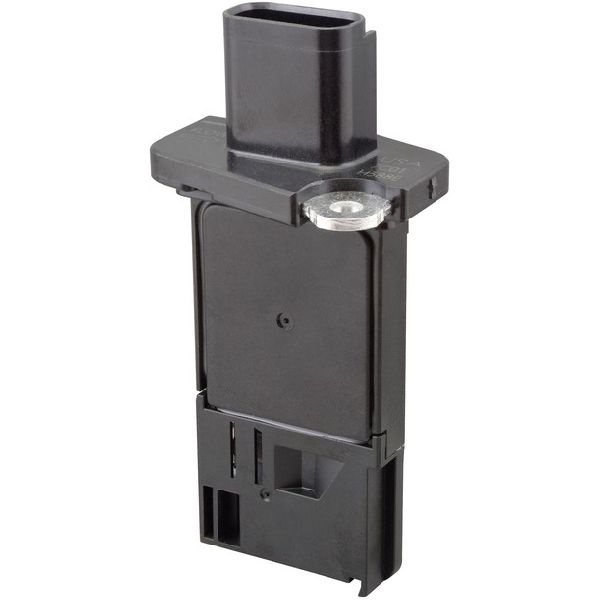
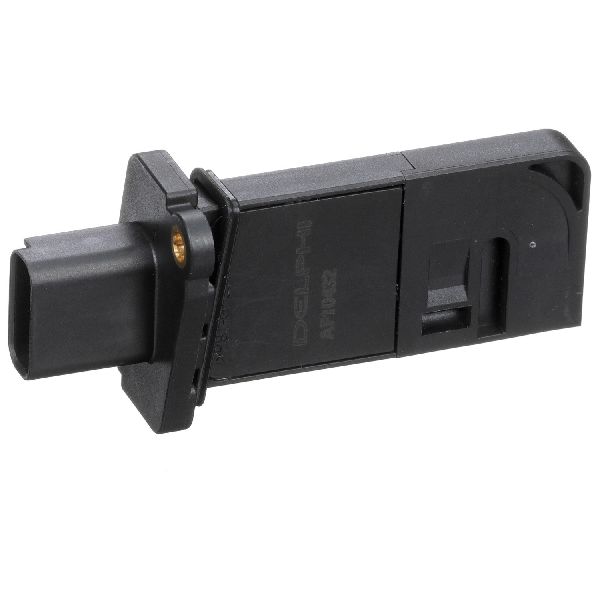
Before replacing any parts, it's crucial to know that not all 2011-2019 Ford Fiestas use a Mass Air Flow (MAF) sensor. Many non-turbocharged 1.6L models use a Manifold Absolute Pressure (MAP) sensor instead to calculate engine load. The turbocharged Fiesta ST also relies primarily on a MAP sensor system. A car with a MAP sensor system will not have a MAF sensor. Check your engine's air intake tube, located right after the air filter box. If you see a small, rectangular sensor with a wire connector plugged in, you have a MAF sensor. If you don't see one, your car uses a MAP sensor, and a replacement MAF sensor will not work.
Symptoms of a Failing MAF Sensor

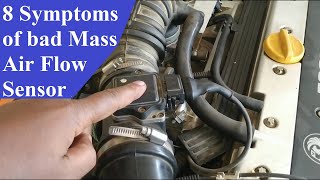
When a MAF sensor starts to fail, it sends incorrect air readings to the engine's computer. This can cause a variety of noticeable problems:
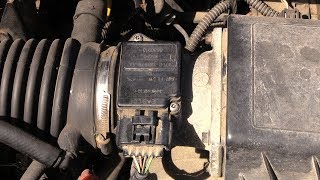
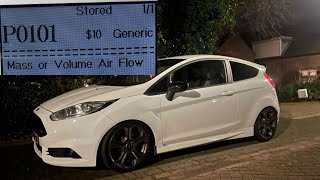
- Check Engine Light: This is often the first sign. The most common trouble codes are P0101 (MAF Circuit Range/Performance) and P0102 (MAF Circuit Low Input). 🎬 Learn more about diagnosing the P0101 code and its symptoms.
- Rough Idle: The engine may shake or vibrate when the car is stopped.
- Hesitation or Jerking: The car may hesitate, stumble, or jerk during acceleration as the computer struggles to provide the right amount of fuel.
- Poor Fuel Economy: You'll find yourself filling up the gas tank more often because the engine is running inefficiently.
- Stalling: In more severe cases, the engine may stall shortly after starting or when idling.
- Black Exhaust Smoke: If the sensor causes the engine to run too rich (too much fuel), you might see black smoke from the tailpipe.
Choosing the Right Aftermarket Part: Brand Quality Tiers

When it comes to sensitive electronics like a MAF sensor, quality matters. A cheap, poorly calibrated sensor can cause the same problems as a faulty one, leading to frustration and wasted money. Here’s a breakdown of your options.
Brand Quality Comparison
| Tier | Brands | Summary |
|---|---|---|
| OEM / Premium | Motorcraft, Delphi, Hitachi | Motorcraft is the original Ford part and the benchmark for performance and reliability. Delphi is a respected OE supplier that builds all-new sensors calibrated to factory specifications, making it a top-tier alternative. Hitachi is another well-regarded Japanese OE manufacturer known for quality electronics. |
| Quality Aftermarket | Walker Products, Spectra, Standard Ignition (SMP), NGK | These brands offer a balance of quality and value. Walker Products emphasizes that its sensors are 100% new (not remanufactured) and tested to meet or exceed OEM standards. Spectra and Standard Ignition are established aftermarket names. NGK, famous for spark plugs, also produces reliable sensors. |
| Economy / Budget | DriveWire, Skyward, various online marketplace brands | While the low price is tempting, ultra-cheap MAF sensors are a significant gamble. Forum discussions are filled with stories of these parts being dead-on-arrival or failing within weeks. For a critical electronic sensor, it's often better to invest in a more reputable brand to avoid repeat repairs. |
| Remanufactured | Cardone | Remanufactured sensors involve cleaning and testing a used OEM core. While this can be a cost-effective option, some top brands like Delphi and Walker explicitly market their sensors as "100% new" to differentiate from remanufactured parts, suggesting new components offer higher reliability. |
How to Replace the MAF Sensor on a 2011-2019 Fiesta

Difficulty: Very Easy (1/5)
Time: 10-15 minutes
Tools Needed: T20 Torx screwdriver, small pick or flathead screwdriver (optional)
- Locate the Sensor: Open the hood. The MAF sensor is plugged into the top of the air filter housing on the driver's side of the engine bay.
- Disconnect the Wiring: Use a small pick or screwdriver to lift the red locking tab on the electrical connector. Press the release tab and pull the connector straight off the sensor.
- Remove the Screws: Use a T20 Torx screwdriver to remove the two screws holding the sensor in place.
- Remove the Old Sensor: Gently pull the old sensor straight up and out of the airbox.
- Install the New Sensor: Carefully insert the new MAF sensor into the housing, making sure it sits flat. It is keyed to only fit one way.
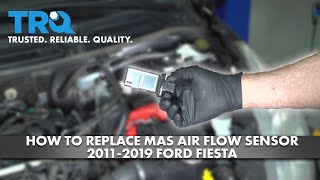
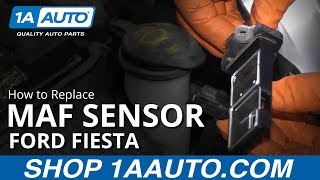
- Reinstall and Reconnect: Secure the new sensor with the two T20 Torx screws. Do not overtighten them. Plug the electrical connector back in and push the red locking tab down to secure it. 🎬 Watch this step-by-step walkthrough of the sensor replacement process.
Frequently Asked Questions
Can I just clean my old MAF sensor?
You can try cleaning the sensor with a dedicated MAF sensor cleaning spray as a first step. Sometimes this resolves issues caused by dirt or oil contamination. However, the internal electronics can fail in a way that cleaning cannot fix, and replacement becomes the only option. Never touch the delicate sensor wires with your fingers or a brush.
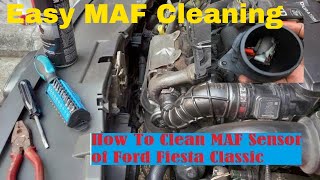
🎬 See how to safely clean your sensor using this video guide.Why did my check engine light come back on after replacing the sensor?
This can happen for a few reasons. The replacement sensor could be faulty, which is more common with cheaper brands. There could also be another issue, like a vacuum leak in the air intake hose after the sensor, or a problem with the wiring connector itself. Always double-check for cracked hoses or loose connections.
Is a Motorcraft sensor worth the extra cost?
For critical sensors, using the OEM part (Motorcraft) provides the highest likelihood of a successful, long-lasting repair without compatibility issues. While premium aftermarket brands like Delphi offer a reliable alternative, many mechanics prefer to stick with OEM for electronics to avoid comebacks.
What is the difference between a MAF sensor and a MAP sensor?
A MAF (Mass Air Flow) sensor measures the volume and density of air entering the engine. A MAP (Manifold Absolute Pressure) sensor measures air pressure inside the intake manifold. Both are used to calculate engine load to determine fuel needs, but they are different parts that are not interchangeable.
Helpful Videos

Technical Specifications
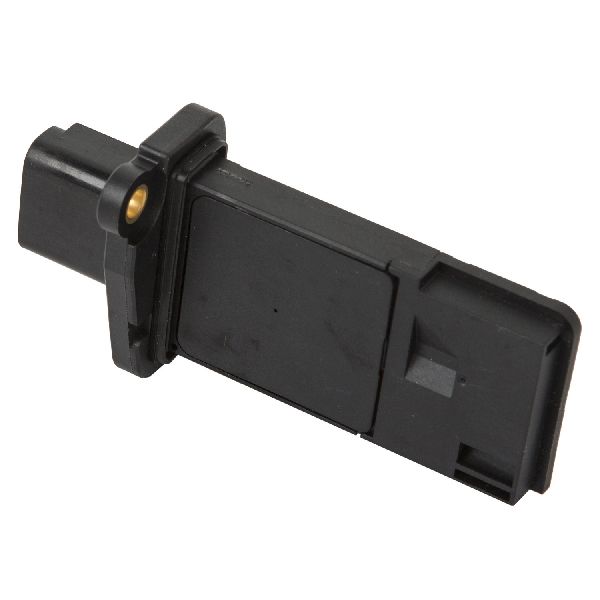
OEM Part Numbers: 8V2Z-12B579-A
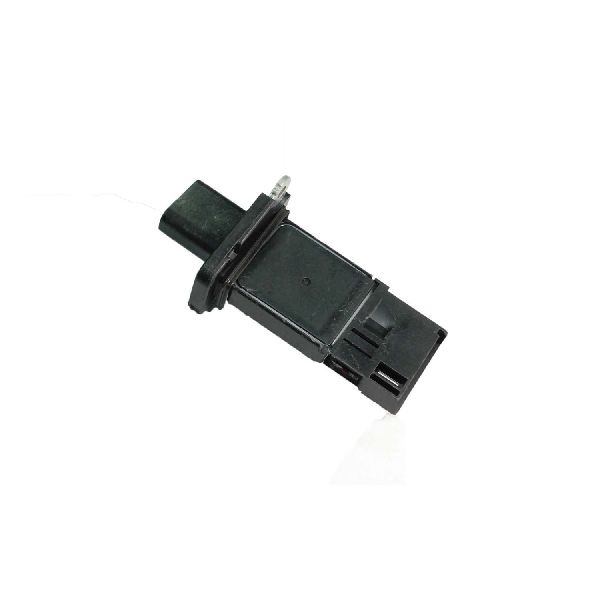
Located on the air cleaner housing, this sensor uses a hot-wire or hot-film element to measure air mass. It is secured by two T20 Torx screws and uses a 4-pin electrical connector.
We Have This Part in Stock



The information in this article is provided for general reference and educational purposes only. Vehicle specifications, procedures, and part compatibility can vary by production date, trim level, and region. Always consult your vehicle's factory service manual and verify part numbers before purchasing or performing repairs. Safety-critical components such as airbags, seat belts, and braking systems should be installed by a qualified professional.
- Ford Fiesta: