

A Guide to Spark Plugs for the 2008-2019 Mercedes-Benz E300
Keep your E300's engine running perfectly by understanding its spark plug needs.
- Only use high-quality Iridium or Platinum spark plugs from OEM-equivalent brands like Bosch or NGK.
- The 2017-2019 E300 with the M274 engine is very sensitive; using the correct, properly torqued plug is critical to avoid engine damage.
- Replacement is typically needed every 50,000 to 60,000 miles, but check your owner's manual for specifics.
- Symptoms of failure include rough idle, poor acceleration, reduced fuel economy, and a flashing check engine light.
Understanding Your E300's Spark Plug Needs


The Mercedes-Benz E300 from 2008-2019 covers a few different engine types, primarily the W212 generation (2010-2016) with V6 engines (like the M272 and M276) and the W213 generation (2017-2019) with a 2.0L turbocharged 4-cylinder engine (M274). It's critical to know which engine your E300 has, as the spark plug requirements are different. Using the wrong plug can cause serious problems, from poor performance to engine damage.
Symptoms of Failing Spark Plugs
When spark plugs wear out, your car will often give you clear signals. Ignoring them can lead to more expensive problems. Common symptoms include:
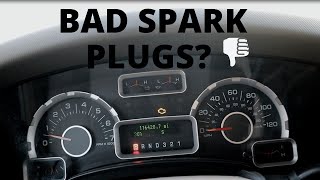
🎬 Watch: A visual guide to common bad spark plug symptoms.- Rough Idling: The engine may shake or sound uneven when you're stopped.
- Engine Misfires: You might feel a hesitation or stumble from the engine while driving. This can trigger the Check Engine Light, often with codes like P0300 (random misfire) or P0301-P0306 (for specific cylinders).
- Reduced Fuel Economy: Worn plugs don't burn fuel efficiently, so you'll find yourself at the gas station more often.
- Poor Acceleration: The car may feel sluggish or slow to respond when you press the gas pedal.
- Difficulty Starting: If the plugs can't create a strong enough spark, the engine may struggle to start.
Known Issues for M274 Engines (2017-2019 E300)
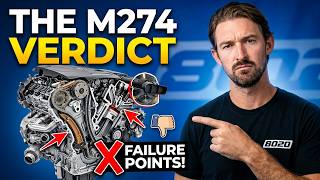
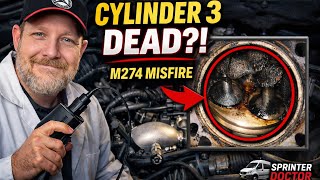
The 2.0L M274 engine found in 2017-2019 E300 models is known to be particularly sensitive to spark plugs. There are reports of premature plug failure and, in some cases, cracked pistons on cylinder 1, which can be mistaken for a simple spark plug issue. 🎬 See this deep dive into M274 engine reliability and issues. For these engines, it is extremely important to use the correct OEM-spec plugs and torque them precisely. Some owners choose to replace plugs more frequently than the recommended interval as a precaution.
Choosing the Right Aftermarket Spark Plugs
For a precision vehicle like a Mercedes-Benz, not just any spark plug will do. While you can save money with aftermarket parts, it's crucial to choose wisely.
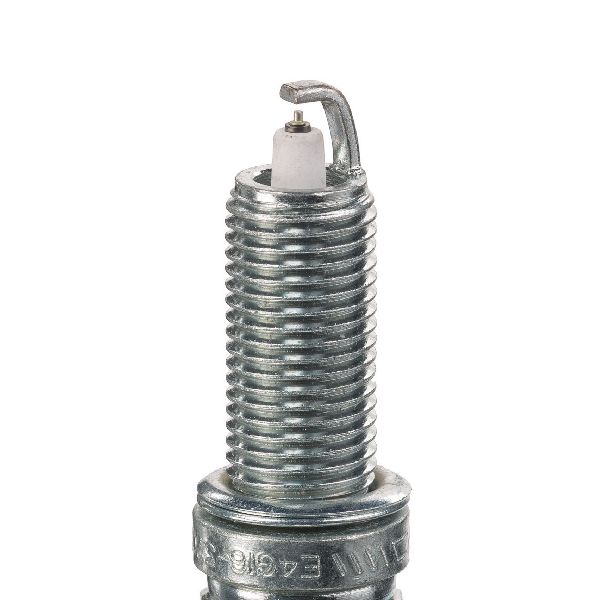
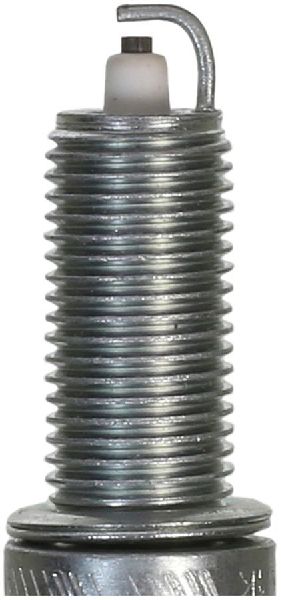
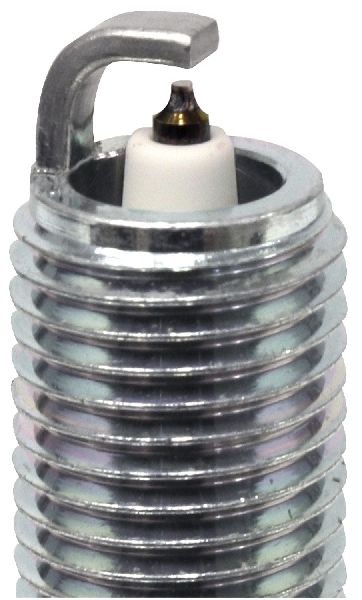
- Top Tier (OEM Equivalent): Brands like Bosch and NGK are often the original equipment manufacturers (OEM) for Mercedes-Benz. This means their aftermarket plugs are typically identical to the ones sold at the dealership, just without the Mercedes-Benz logo. They are engineered for the specific requirements of your engine, including heat range and proper indexing (how the electrode is oriented in the cylinder). For the E300, these are the most recommended choices.
- Mid-Tier: Brands like Denso are also well-regarded and produce high-quality iridium and platinum plugs that perform well in German engines.
- Economy Tier: Brands like Autolite and Champion may offer copper plugs at a very low price, but these are generally not recommended for modern Mercedes-Benz engines. These engines are designed for long-life iridium or platinum plugs, and using a basic copper plug can lead to poor performance, a short service life, and potential engine issues.
Pro Tip: Always use Iridium or Platinum spark plugs for your E300. They last much longer and provide the consistent performance your engine needs. Most of these plugs come pre-gapped, and it's generally advised not to try and adjust the gap yourself on these fine-wire plugs.
Replacement Cost Comparison
Here is a general breakdown of what you can expect to pay for spark plugs and installation.
| Item | Estimated Cost |
|---|---|
| New Aftermarket Plugs (Set of 4 or 6) | $40 - $150 |
| Shop Labor for Installation | $122 - $279 |
| Total Estimated Cost (Aftermarket) | $162 - $429 |
Frequently Asked Questions (FAQ)
How often should I replace the spark plugs on my E300?
The recommended interval can vary. For the V6 engines (M276), the interval is often around 50,000-60,000 miles. For the 4-cylinder turbo (M274), the interval is also around 50,000 miles, though some owners and TSBs suggest a shorter interval due to engine sensitivity. Always check your owner's manual for the specific recommendation for your vehicle.
Can I use cheaper spark plugs in my Mercedes?
It is strongly advised not to. Mercedes engines are high-performance and precisely engineered. Using cheap, incorrect spark plugs can lead to misfires, poor fuel economy, a lit Check Engine Light, and even catastrophic engine damage in some cases.
What's the difference between Iridium and Platinum plugs?
Both are long-life materials used for high-performance engines. Iridium is harder and has a higher melting point than platinum, which often allows for a longer service life and more consistent performance. Both are excellent choices for the E300, and OEM plugs are typically one or the other.
Do I need to gap the new spark plugs?
Generally, no. High-quality iridium and platinum plugs from brands like NGK and Bosch come pre-gapped from the factory for your specific vehicle. Attempting to gap them yourself can damage the fine electrode tip. It's best to verify you have the correct part number and install them as they come.
Is this a DIY job?
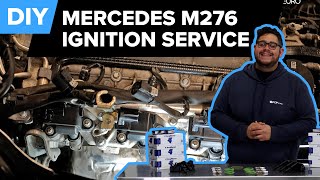
For a mechanically inclined person with the right tools, yes. The job involves removing the engine cover, ignition coils, and then the plugs themselves. It's crucial to have a torque wrench to tighten the new plugs to the exact specification (usually around 17 ft-lbs or 23 Nm) to ensure proper indexing, especially on the M274 engine. You will also need a special thin-walled 14mm spark plug socket.
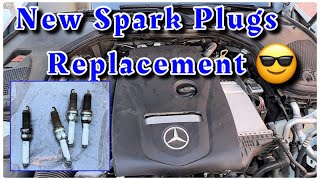
🎬 Watch: Step-by-step spark plug replacement for 2017-2019 E300 models.Helpful Videos

Technical Specifications
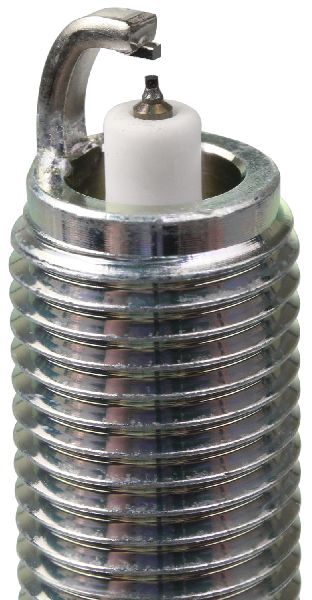
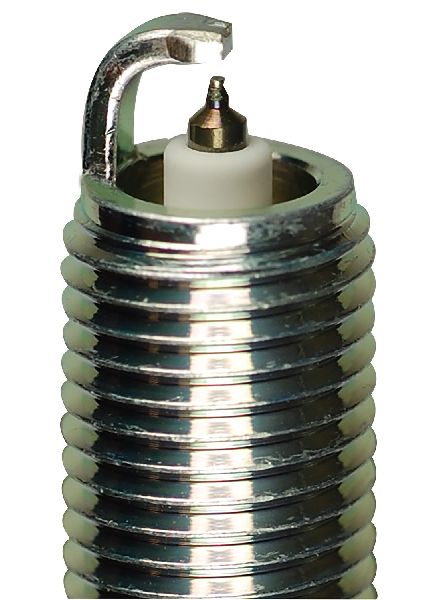
OEM Part Numbers: 0041597003 2701590700 0041594903
The E300 uses different plugs depending on the engine. V6 models (M272/M276) use different plugs than the 4-cylinder turbo (M274). All require long-life Iridium or Platinum plugs. A 14mm thin-wall socket is often required for installation. Torque specification is critical, typically around 23 Nm (17 ft-lbs).
We Have This Part in Stock

The information in this article is provided for general reference and educational purposes only. Vehicle specifications, procedures, and part compatibility can vary by production date, trim level, and region. Always consult your vehicle's factory service manual and verify part numbers before purchasing or performing repairs. Safety-critical components such as airbags, seat belts, and braking systems should be installed by a qualified professional.
- Mercedes-Benz E300: