

A Guide to the Engine Crankshaft Position Sensor for the 2008-2019 Nissan Altima
Solve stalling, no-start conditions, and the P0335 code by understanding your Altima's crankshaft sensor.
- Sudden engine stalling is the number one symptom of a failing crankshaft sensor in a Nissan Altima.
- The diagnostic trouble code P0335 almost always points to a bad crankshaft sensor or its wiring.
- For best results, use an OEM supplier brand like Hitachi or Denso; cheaper aftermarket sensors for Nissans are known to fail prematurely.
- The sensor is in a tight spot, but replacement is a manageable DIY job that can save you over $100 in labor.
Is Your Altima Stalling or Not Starting?

One of the most common reasons a 2008-2019 Nissan Altima will stall unexpectedly or refuse to start is a failing crankshaft position sensor. This part lives in a harsh environment on the back of the engine and can fail from heat and age. When it fails, it triggers a chain reaction of problems that can leave you stranded. Understanding the symptoms and knowing how to choose the right replacement part is key to a reliable repair.
Symptoms of a Failing Crankshaft Sensor

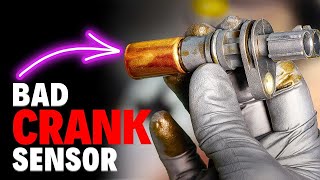
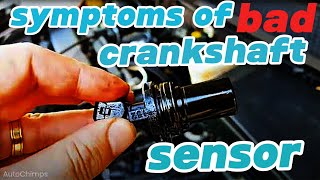
A bad crankshaft sensor will usually give you clear warning signs. The most common issue reported by Altima owners is the engine stalling for no reason, especially at low speeds or when stopped at a light. You may also experience:
- Check Engine Light: The light will turn on, and a code scan will almost always show code P0335. Sometimes, code P0725 may appear with it.
- Engine Won't Start: The engine will crank over and over but never start.
- Rough Engine Performance: You might notice a rough idle, engine vibrations, or misfires that feel like a stumble or shake.
- Poor Acceleration: The car may feel sluggish or hesitate when you press the gas pedal. 🎬 Watch: 7 common symptoms of a bad crankshaft sensor
Historical Context: Nissan Recalls
Nissan has a history of issues with this sensor. A major recall (NHTSA #07V527000) was issued for older 2002-2006 Altimas with the 2.5L engine because the sensor could overheat and cause the engine to stall. While this specific recall doesn't cover the 2008-2019 generation, it shows that this part can be a weak point on Nissan engines.
🎬 Watch: Crankshaft sensor replacement on 2002-2006 Altima modelsChoosing the Right Aftermarket Sensor: Brand Quality Matters

For many electronic parts on Nissan vehicles, not all aftermarket brands are created equal. Forum discussions and mechanic experience show that using a low-quality sensor can lead to it failing again in a short time. For this specific part, it is highly recommended to use an OEM-quality brand.
- Tier 1 (OEM Supplier): Brands like Hitachi and Denso are the original equipment manufacturers for Nissan. Choosing one of these is the safest bet for a long-lasting repair that performs just like the factory part.
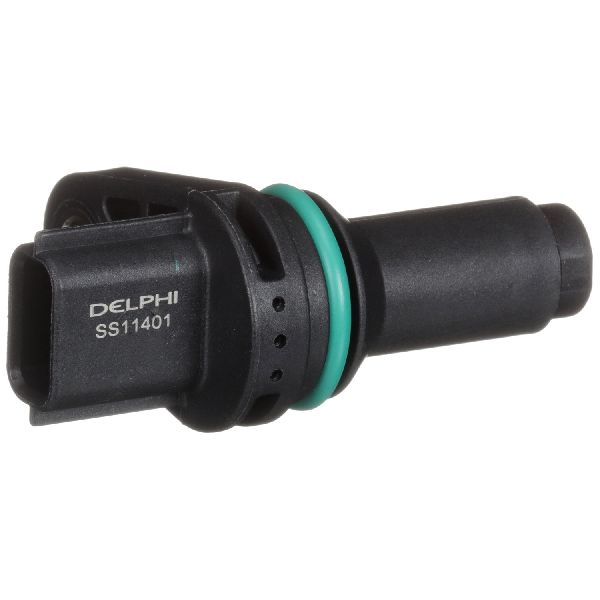
- Tier 2 (High-Quality Aftermarket): Brands such as NGK/NTK, Delphi, and Standard Ignition (SMP) have a strong reputation for producing reliable sensors that meet or exceed OEM specifications. They are a solid choice if an OEM supplier part isn't available.
- Tier 3 (Economy): Brands like Dorman, Walker, or other store brands offer a budget-friendly option. While they may come with a good warranty, some owners report a shorter lifespan compared to higher-tier brands.
How Much Does a Crankshaft Sensor Replacement Cost?
The cost depends on whether you do the job yourself or take it to a shop. The part itself is not very expensive, but labor can add up due to its hard-to-reach location.
| Part/Service | Estimated Cost |
|---|---|
| New OEM Sensor | $81 - $133 |
| New Aftermarket Sensor | $33 - $123 |
| Shop Labor | $80 - $150 |
| Total Professional Replacement | $161 - $283 |
Pro Tip: Clean and Check Before Replacing
The sensor is located on the back of the engine, near the transmission. It's a tight spot that collects dirt and oil. Before you install a new sensor, thoroughly clean the mounting hole to ensure it seats correctly. Also, inspect the wiring connector for corrosion or damage, as a bad connection can cause the same P0335 code. A common issue is corrosion on the mounting surface, which prevents the new sensor from sitting close enough to get a proper reading.
Frequently Asked Questions (FAQ)

Can I replace the crankshaft sensor myself?
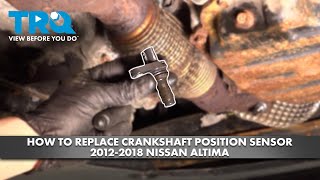
Yes, this is a DIY-friendly job if you are comfortable working under your car. The sensor is held by a single 10mm bolt. The main challenge is access. It's located on the back of the engine, and you'll need to get to it from underneath. Some mechanics recommend removing the passenger-side front wheel and the plastic fender liner for a much clearer view and easier access. The job can take 30-60 minutes.
🎬 See this step-by-step replacement guide for 2012-2018 AltimasWhat is the P0335 code?
P0335 stands for "Crankshaft Position Sensor 'A' Circuit Malfunction." It means the engine computer has lost the signal from the crankshaft sensor, or the signal is erratic. This is the most common code associated with a failed sensor on a Nissan Altima.
How many crankshaft sensors does my Altima have?
Your Nissan Altima has only one crankshaft position sensor. However, it also has one or two camshaft position sensors, which perform a similar function but for the engine's camshafts. Camshaft sensors can also fail and cause similar stalling and no-start problems. Some mechanics recommend replacing the cam and crank sensors at the same time.
What happens if I don't replace a bad crankshaft sensor?
If you ignore the symptoms, the problem will get worse. The intermittent stalling will become more frequent, posing a serious safety risk in traffic. Eventually, the sensor will fail completely, and your car will not start at all, leaving you stranded.
Helpful Videos
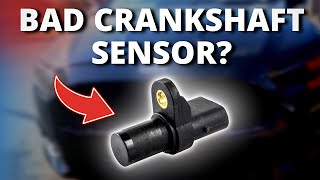
![Project Altima SE-R [EP:11] P0335 Crank Position Sensor Replacement](https://img.youtube.com/vi/vO7-jEu4hJY/mqdefault.jpg)
Technical Specifications
OEM Part Numbers: 23731-JA00C 23731-JA00B 23731-6CA0B
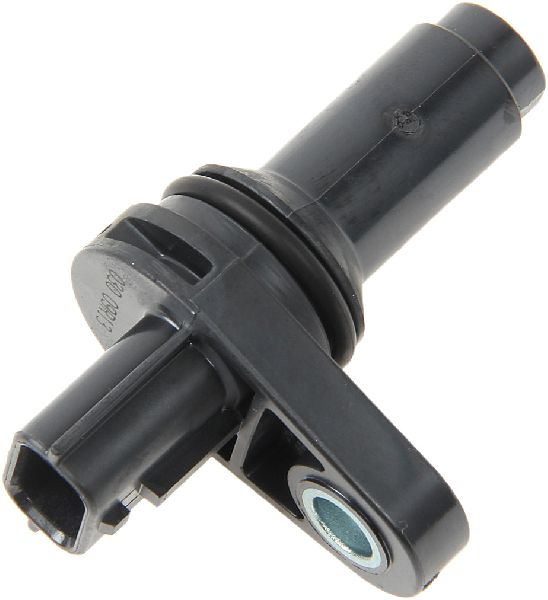
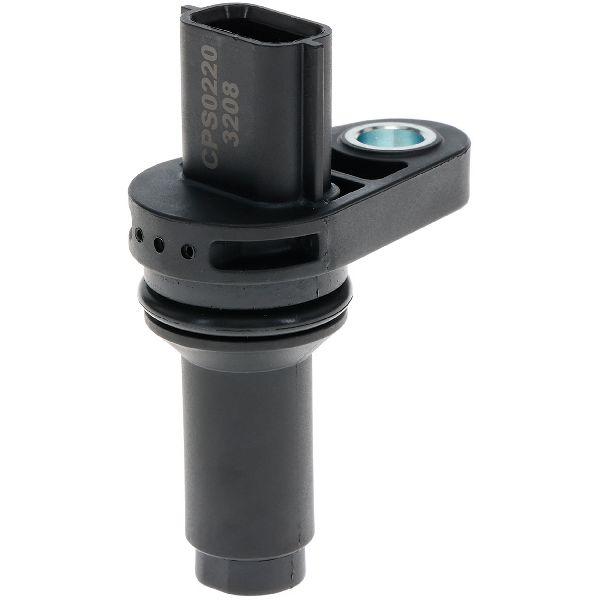
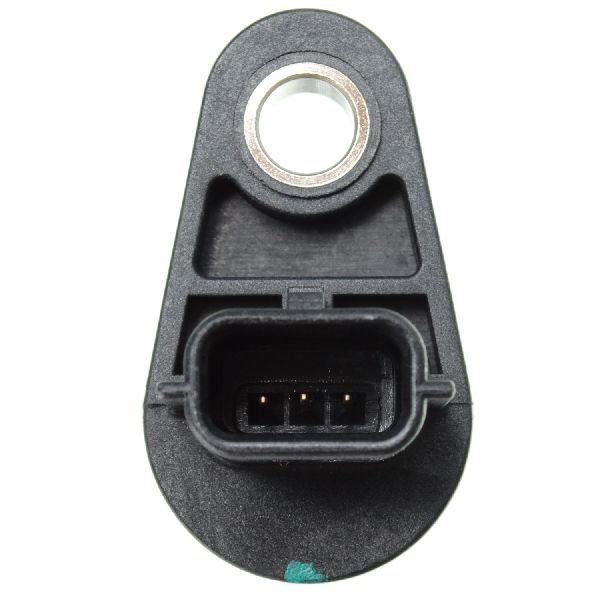
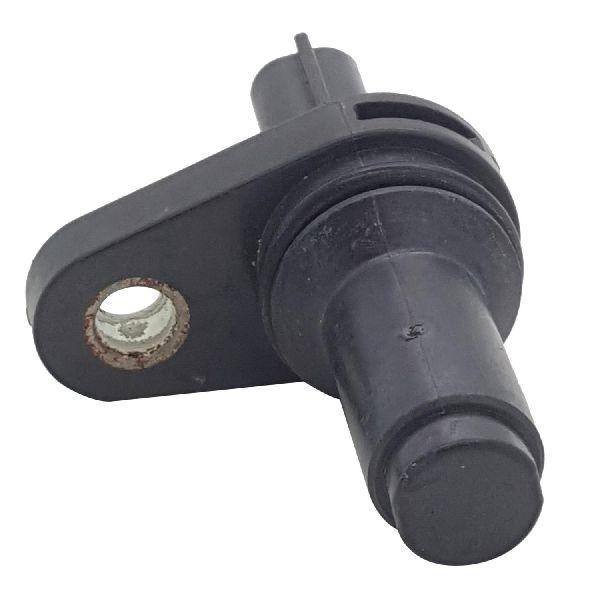
The sensor is typically located on the rear of the engine block where it meets the transmission, held in by a single 10mm bolt. It uses a Hall effect sensor to read the teeth on the crankshaft's reluctor wheel, generating a signal for the ECM.
We Have This Part in Stock


The information in this article is provided for general reference and educational purposes only. Vehicle specifications, procedures, and part compatibility can vary by production date, trim level, and region. Always consult your vehicle's factory service manual and verify part numbers before purchasing or performing repairs. Safety-critical components such as airbags, seat belts, and braking systems should be installed by a qualified professional.
- Nissan Altima:
- 🎬 Helpful Videos
- 🛍️ Shop This Part
- Is Your Altima Stalling or Not Starting?
- Symptoms of a Failing Crankshaft Sensor
- Historical Context: Nissan Recalls
- Choosing the Right Aftermarket Sensor: Brand Quality Matters
- How Much Does a Crankshaft Sensor Replacement Cost?
- Pro Tip: Clean and Check Before Replacing
- Frequently Asked Questions (FAQ)
- 🎟️ Get 5% Off