

Peterbilt 389 (2008-2019) Coolant Level Sensor: A Guide for Owners
Is your 'Low Coolant' light on even when the tank is full? Your sensor might be the problem.
- A constant 'Low Coolant' warning on a full tank is the primary symptom of a bad sensor.
- Before replacing, check the sensor's wiring and connector for damage, as this is a common point of failure.
- If a new sensor doesn't fix the issue, the problem may be the float inside the coolant tank, requiring a full reservoir replacement.
- Replacing the sensor is a very easy DIY job that can be done in minutes.
Is Your Peterbilt 389's Coolant Light On?

A common issue for Peterbilt 389 owners is a coolant level warning that stays on even when the coolant tank is full. This is often caused by a faulty coolant level sensor, not an actual low coolant problem. While the constant beeping is annoying, ignoring it is a risk. A bad sensor can't tell you if you have a real leak, which could lead to serious engine damage from overheating.
Symptoms of a Failing Coolant Level Sensor

The signs of a bad coolant level sensor are usually very clear. You'll likely experience one or more of the following:
- Constant Low Coolant Warning: The most common symptom is the low coolant light and alarm activating, even though the coolant reservoir is topped off.
- False Alarms: The warning might come on and off as you drive, especially on bumpy roads, due to a faulty sensor or a sticking float inside the tank.
- Engine Protection Shutdown: In some cases, a faulty sensor can trick the engine's computer into thinking the coolant is critically low, potentially triggering an engine shutdown sequence to protect the engine.
Check the Wiring First
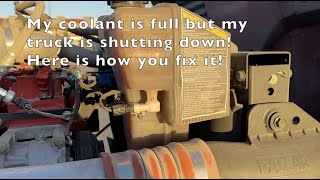
Before replacing the sensor, check the wiring and connector. 🎬 See how to troubleshoot and fix common sensor wiring issues. Vibration can cause wires to break inside the insulation or the connector pins to spread, leading to a bad connection. A quick visual inspection and a 'pull test' on the wires can sometimes save you the cost of a new part.
Choosing an Aftermarket vs. OEM Sensor

When it's time to replace the sensor, you have two main choices: Original Equipment Manufacturer (OEM) from Peterbilt or an aftermarket brand. For a critical part like this on a working truck, the choice matters.
- OEM: Peterbilt has updated the sensor design over the years to improve reliability. While more expensive, OEM sensors are generally considered more dependable and less likely to cause false alarms.
- Aftermarket: Aftermarket sensors are much cheaper. However, some owners report that cheaper aftermarket sensors can fail quickly or cause the same false alarm issues as the part they replaced. If downtime is costly for you, spending more on an OEM or a high-quality aftermarket part from a reputable brand like Dorman may be a better investment.
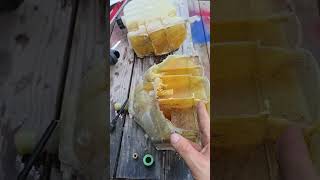
Some owners have found that the problem isn't the sensor itself, but a faulty float inside the coolant reservoir. In these cases, replacing the entire reservoir 🎬 Watch how to replace the coolant sensor and reservoir tank. (which often includes a new sensor) is the only permanent fix.
Replacement Cost
| Part Type | Price Range |
|---|---|
| New Aftermarket | $22 - $78 |
| Shop Labor | $50 - $100 |
Pro Tip: Replacing the sensor is a simple job. It is located on the coolant surge tank and typically unplugs and twists out. You can easily do this yourself with minimal tools, saving on labor costs. Be prepared for a small amount of coolant to spill when you remove the old sensor.
Frequently Asked Questions

Can I drive my Peterbilt 389 with a bad coolant level sensor?
Yes, but it's not recommended for long. A faulty sensor won't show a true coolant loss, putting your engine at risk. Some drivers temporarily unplug the sensor 🎬 Learn how to bypass the sensor to stop the alarm. to stop the alarm, but this will log a fault code and, more importantly, you will not be alerted if you do develop a real coolant leak.
Why did my new sensor not fix the problem?
If a new sensor doesn't solve the low coolant warning, the issue may be a stuck or failed magnetic float inside the coolant reservoir itself. Another common cause is a bad wiring connection between the sensor and the truck's computer. In some cases, replacing the entire coolant tank is necessary.
How do I replace the coolant level sensor?
The sensor is located on the coolant surge tank. First, unplug the electrical connector. Then, the sensor usually twists and pulls out of the tank. Have the new sensor ready to install quickly to minimize coolant loss. After installation, plug the connector back in and check that the warning light is off.
Are there any recalls for this issue?
There are no specific NHTSA recalls for the coolant level sensor on the 2008-2019 Peterbilt 389. However, issues with coolant sensors are common across many truck brands and have led to Technical Service Bulletins (TSBs) for other vehicles.
Helpful Videos


Technical Specifications
OEM Part Numbers: N9267001
Fits Peterbilt 389 models with the BEHR cooling module and coolant bottle N5346001.

The information in this article is provided for general reference and educational purposes only. Vehicle specifications, procedures, and part compatibility can vary by production date, trim level, and region. Always consult your vehicle's factory service manual and verify part numbers before purchasing or performing repairs. Safety-critical components such as airbags, seat belts, and braking systems should be installed by a qualified professional.
- Peterbilt 389: