

Subaru Outback Alternator Guide (2008-2019): Choosing the Right Replacement
If your Outback's battery light is on or your lights are dim, it might be time for a new alternator.
- For 2015-2017 models, check for TSB 11-176-17 regarding battery drain before replacing the alternator, as a software update may be the real fix.
- Replacement is a DIY-friendly job for many owners, as the alternator is easily accessible on top of the engine.
- Avoid the cheapest parts-store brands; owner forums report high failure rates. Choose a new unit or a quality remanufactured one from a known brand.
- Key symptoms of failure include a battery light on the dash, dimming headlights, and whining or grinding noises from the engine.
Is Your Subaru Outback's Alternator Failing?
An alternator can last for many years, but they don't last forever. On a Subaru Outback, they typically have a lifespan of about eight years or over 80,000 miles, but this can vary. When it starts to fail, it will give you several warning signs.
- Battery Warning Light: The most obvious sign is the battery-shaped warning light on your dashboard. This light indicates a problem in the charging system, and the alternator is a primary suspect.
- Dim or Flickering Lights: If your headlights and dashboard lights seem dimmer than usual, or if they flicker and brighten as you rev the engine, the alternator is likely struggling to provide consistent power.
- Strange Noises: A whining, grinding, or growling sound coming from the front of the engine can point to failing bearings inside the alternator. You might also hear a squealing sound if the belt that drives the alternator is worn or loose.
- Electrical Glitches: Modern Outbacks are full of electronics. A failing alternator can cause strange issues like slow power windows, a malfunctioning radio, or other random electrical problems as the car's computer tries to manage the limited power.
- A Frequently Dead Battery: If you have to jump-start your car often, the alternator may not be recharging the battery properly. A quick test is to jump-start the car and then immediately remove the jumper cables; if the car dies shortly after, the alternator is the likely culprit.
Special Note for 2015-2017 Outback Owners: Is It Really the Alternator?
Many 2015-2017 Subaru Outback models (and some other Subarus) have a known issue with battery drain that is NOT caused by a faulty alternator. Subaru issued a Technical Service Bulletin (TSB 11-176-17) for a problem where the engine control module's (ECM) software doesn't charge the battery effectively during short trips, leading to a dead battery. If you own one of these model years and are experiencing repeated dead batteries, the fix may be a simple software update at a dealership, not a new alternator. This issue was widespread enough to lead to a class-action lawsuit.
Choosing a New Aftermarket Alternator
When replacing your alternator, you have a choice between OEM (Original Equipment Manufacturer) and aftermarket parts. While an OEM Denso unit is a guaranteed fit and quality, a good aftermarket part can offer similar performance for less money. However, Subaru owners on forums strongly advise against choosing the cheapest option, as low-quality, remanufactured "parts store" alternators have a reputation for failing quickly.
Aftermarket Brand Tiers
- Premium Aftermarket (ACDelco, Remy): Brands like ACDelco (the GM-backed parts company) and Remy have a solid reputation for quality. They often provide new or high-quality remanufactured units that are designed to meet or exceed original specifications.
- Quality Remanufacturers (BBB Industries, MPA): Many store-brand alternators are supplied by large companies like BBB Industries and Motorcar Parts of America (MPA). These companies remanufacture millions of units and have extensive testing processes. They offer a good balance of price and reliability, but quality can sometimes be inconsistent compared to a new part.
Alternator Replacement Cost Comparison
| Part Type | Estimated Part Cost |
|---|---|
| New OEM | $415 - $610 |
| New Aftermarket | $148 - $376 |
| Remanufactured | $230 - $400 |
| Shop Labor | $200 - $400 |
Cost estimates are based on national averages and may vary.
DIY Installation
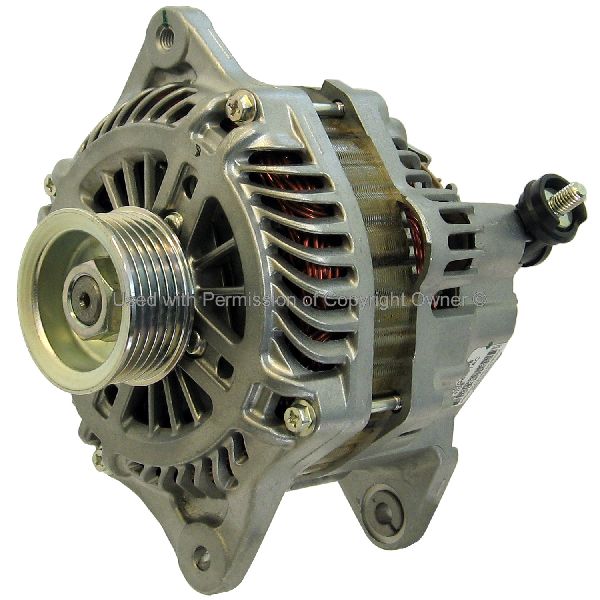
For the 2008-2019 Outback, replacing the alternator is a very manageable DIY job for someone with basic tools. The alternator is located right on top of the engine, making it easy to access. The job takes about an hour and involves disconnecting the battery, removing the serpentine belt, and unbolting two main fasteners.
Frequently Asked Questions
Is it my battery or my alternator?
A good test is to check the battery voltage with the car off (should be ~12.4-12.7V) and then with the car running. When running, the voltage should jump to 14.2-14.7V. If the voltage doesn't increase, the alternator isn't charging. Most auto parts stores can test both your battery and alternator for free.
Can I install an aftermarket alternator myself?
Yes, this is considered a relatively easy job on the Outback. The alternator is on top of the engine and easy to reach. With basic hand tools and an online video guide, most DIYers can complete the job in about an hour.
What is a TSB and how does it affect my car?
A Technical Service Bulletin (TSB) is a notice from the manufacturer to dealerships about a known issue and a recommended repair. It is not a recall. For 2015-2017 Outbacks, TSB 11-176-17 addresses a battery drain issue that can be fixed with a software update, which may solve your problem without needing a new alternator.
Why should I avoid the cheapest alternator available?
Experienced Subaru owners and mechanics report that budget, remanufactured alternators often fail right out of the box or within a very short time. A failed alternator can leave you stranded, so spending a little more on a quality new or well-remanufactured unit from a reputable brand is a wise investment.
Technical Specifications
OEM Part Numbers: 23700AB01A 23700AB16A 23708AA34A 23700AA4018A
Amperage ratings vary by year and engine, typically ranging from 110A to 130A for standard models. Ensure the replacement matches your vehicle's specific requirements. Voltage output should be between 14.2 and 14.7 volts when the engine is running.
We Have This Part in Stock
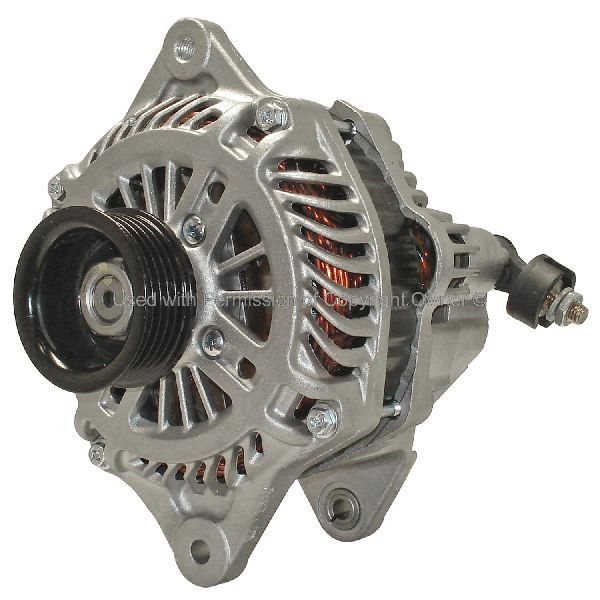
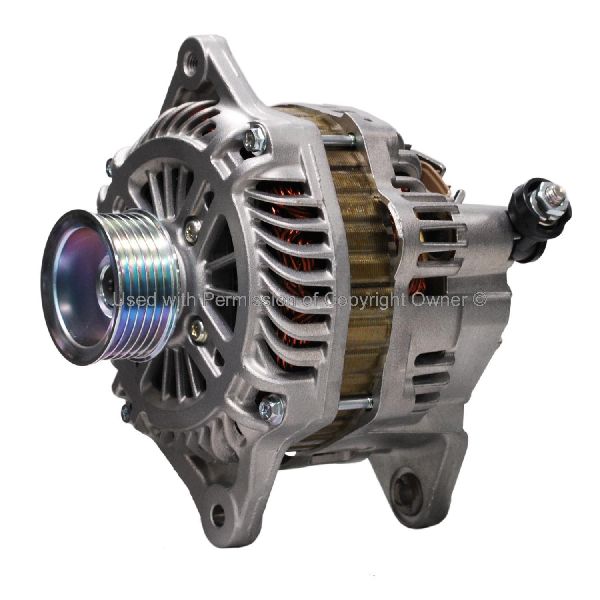

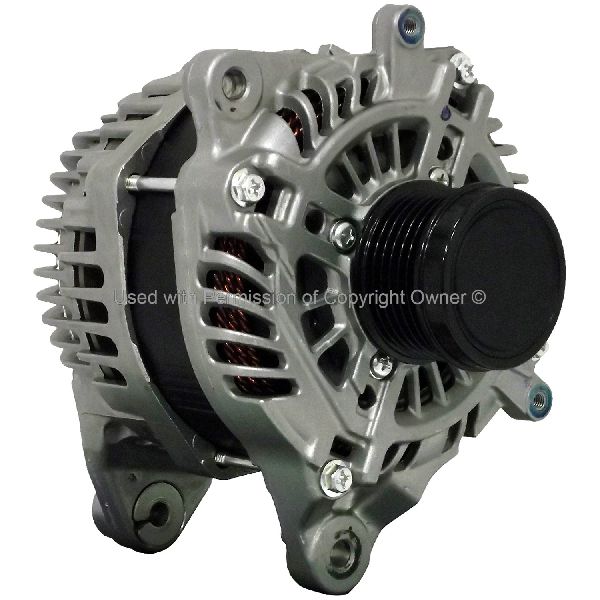
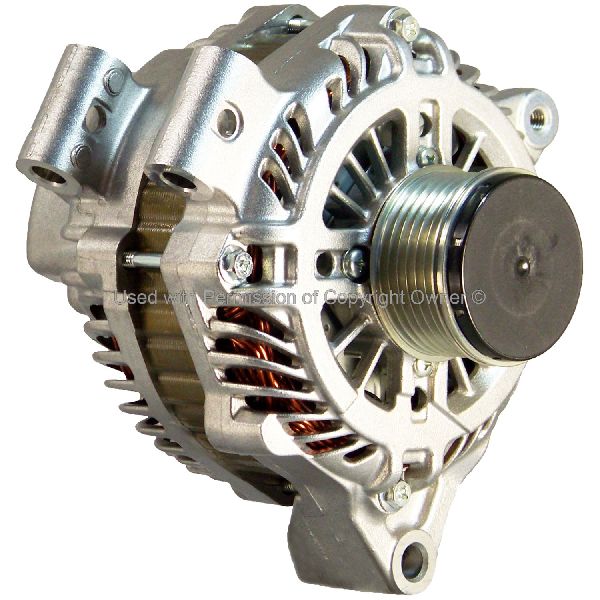

The information in this article is provided for general reference and educational purposes only. Vehicle specifications, procedures, and part compatibility can vary by production date, trim level, and region. Always consult your vehicle's factory service manual and verify part numbers before purchasing or performing repairs. Safety-critical components such as airbags, seat belts, and braking systems should be installed by a qualified professional.
- Subaru Outback: