

Volkswagen Jetta Intercooler Hose Guide (2008-2019)
Losing power or hearing a hissing sound in your Jetta? Your intercooler hose could be the problem.
- A failing intercooler hose will cause power loss, hissing noises, and likely a P0299 check engine light.
- This is a common failure item due to heat and pressure; it is not subject to a specific recall.
- Look for oily residue around hose connections as a clear visual sign of a leak.
- Replacing with a quality aftermarket brand like Gates or Vaico can provide a durable repair without the higher OEM cost.
Is Your Jetta's Intercooler Hose Failing?
The intercooler hoses on your 2008-2019 Jetta live in a tough environment. They handle high pressure from the turbo and are exposed to engine heat and oil vapors. Over time, the rubber can crack, plastic connectors can break, or the clamps can loosen, causing a boost leak. This means the pressurized air your turbo worked hard to create is escaping before it reaches the engine.
Common Symptoms of a Bad Intercooler Hose
A leaking intercooler hose will cause noticeable problems. You might experience one or more of the following:
- Loss of Power: Your Jetta will feel sluggish and slow to accelerate because the engine isn't getting the dense, pressurized air it needs.
- Hissing or Whooshing Sounds: A clear sign of escaping air, especially when you accelerate and the turbo spools up.
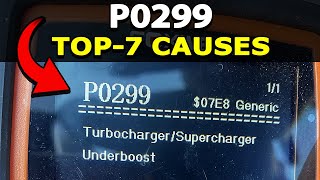
- Check Engine Light: A significant boost leak will often trigger the check engine light with error code P0299 (Turbocharger Underboost).
- Black Smoke from Exhaust: When air leaks out, the air-fuel mixture becomes too rich with fuel. This unburned fuel exits the exhaust as black smoke.
- Worse Fuel Economy: 🎬 See how a loose hose connection can ruin your MPG. Your engine has to work harder and use more fuel to make up for the lost power, leading to more trips to the gas station.
- Oily Residue: It's common to find oily grime around a leaking hose. This is from oil vapor that is normally in the system (from the crankcase ventilation) now leaking out with the air.
No Recalls, But a Common Problem
While there are no official recalls from Volkswagen or the NHTSA for failing intercooler hoses on the 2008-2019 Jetta, it is a very common wear-and-tear item. The original plastic and rubber components simply break down over time.
Choosing the Right Aftermarket Hose
When replacing a failed hose, you have options. While you could go to the dealer, a quality aftermarket part can offer the same performance for less money.
The original VW hoses often fail at the plastic clip-on connectors. Some aftermarket brands offer improved materials or more robust clamp designs. Here's a look at the brands available:
- Good (Value Tier): Brands like Dorman offer a direct replacement that meets original specifications. They are a cost-effective solution to get your Jetta back on the road and are widely available.
- Better (OE-Quality Tier): Brands like Vaico and Rein position themselves as OEM-equivalent. They focus on matching the fit, form, and function of the original part, making them a reliable choice.
- Best (Premium Tier): A brand like Gates is often considered a top-tier replacement. They are a major manufacturer of hoses for many carmakers and often use high-quality materials, like oil-resistant liners, that can exceed the original part's durability.
Pro Tip: Check Your Clamps
When replacing a hose, it's a good idea to replace the clamps as well, especially if the new hose doesn't come with them. Weak or old clamps can be a source of leaks even with a brand new hose.
How Much Does an Intercooler Hose Replacement Cost?
The cost depends on the part you choose and whether you do the job yourself. Some hoses are easy to access, while others may require removing the front bumper, adding to labor time.
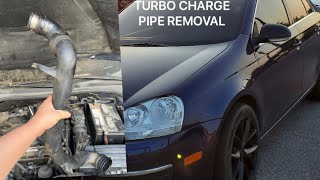
🎬 Watch this walkthrough on how to remove the intercooler pipe.| Part/Service | Estimated Cost |
|---|---|
| New OEM Intercooler Hose | $100 - $300+ |
| New Aftermarket Intercooler Hose | $47 - $183 |
| Shop Labor | $120 - $360 |
| Total (Aftermarket Part + Shop Labor) | $167 - $543 |
Frequently Asked Questions
What is that hissing sound when I accelerate?
A hissing or whooshing sound that gets louder as you accelerate is a classic symptom of a boost leak. This is the sound of pressurized air escaping from a crack in a hose or a bad seal before it can get to your engine.
Why is there oil around my intercooler hose?
The engine's crankcase ventilation system (PCV) routes oil vapor and blow-by gases into the intake system to be burned by the engine. A small amount of oil residue inside the hoses is normal. When a hose leaks, this oil vapor escapes with the air, leaving a greasy film on the outside of the hose and surrounding parts.
My check engine light is on with a P0299 code. Is this related?
Yes, very likely. The P0299 code means "Turbocharger/Supercharger Underboost Condition." This means the engine's computer has detected that the turbo is not producing the amount of boost it should be. A leak in an intercooler hose is one of the most common causes of this code.
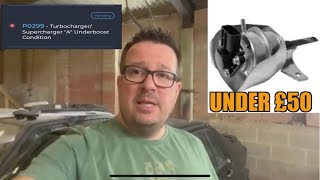
🎬 Watch: Top 7 causes and fixes for the P0299 code.Can I just replace the clamp or use tape to fix the leak?
If the leak is from a loose clamp, tightening it might provide a temporary fix. However, most leaks are caused by the hose itself cracking from age and heat. A tape repair will not hold up against the pressure and heat. The only reliable, long-term solution is to replace the damaged hose.
Helpful Videos

Technical Specifications
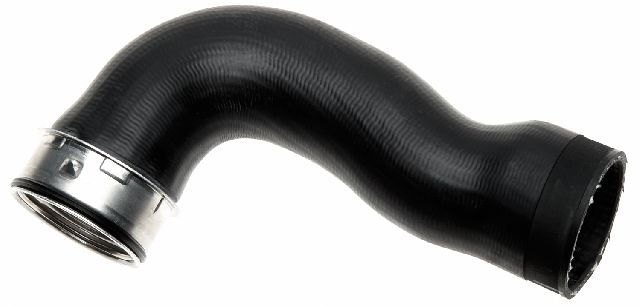
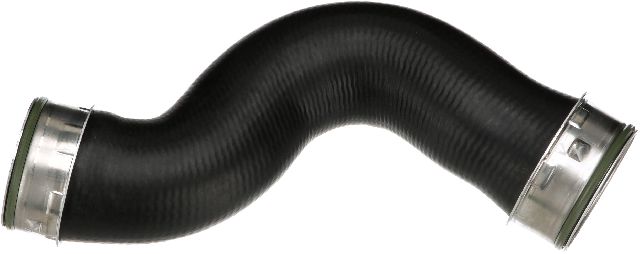
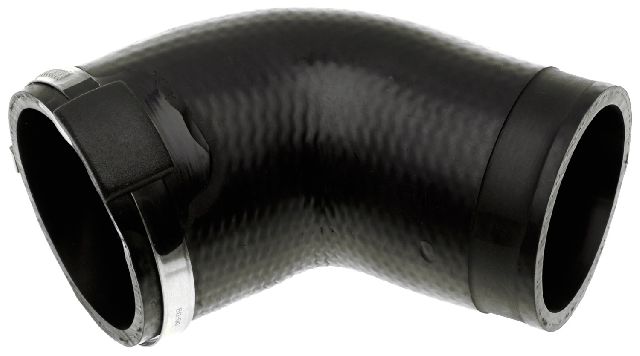
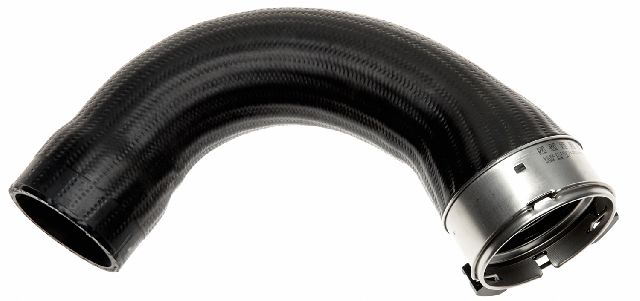
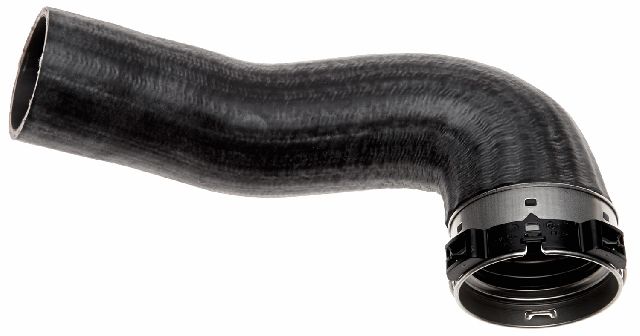
OEM Part Numbers: 1K0145838N 1K0145838C 1K0145832R
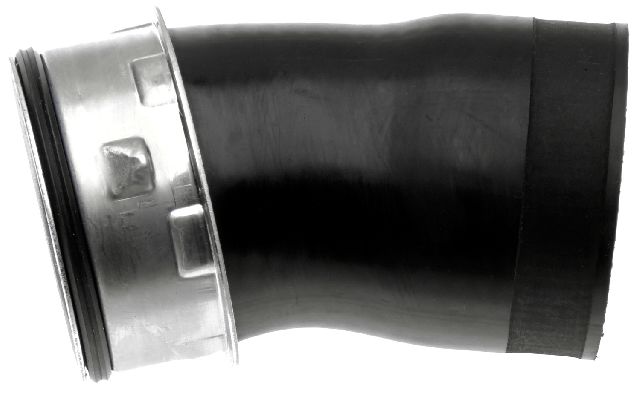
Hoses are typically made of reinforced rubber or silicone with plastic or metal quick-connect style fittings. They are designed to withstand high temperatures and pressures from the turbocharger system.
We Have This Part in Stock

The information in this article is provided for general reference and educational purposes only. Vehicle specifications, procedures, and part compatibility can vary by production date, trim level, and region. Always consult your vehicle's factory service manual and verify part numbers before purchasing or performing repairs. Safety-critical components such as airbags, seat belts, and braking systems should be installed by a qualified professional.
- Volkswagen Jetta:
- 🎬 Helpful Videos
- 🛍️ Shop This Part
- Is Your Jetta's Intercooler Hose Failing?
- Common Symptoms of a Bad Intercooler Hose
- No Recalls, But a Common Problem
- Choosing the Right Aftermarket Hose
- Pro Tip: Check Your Clamps
- How Much Does an Intercooler Hose Replacement Cost?
- Frequently Asked Questions
- 🎟️ Get 5% Off